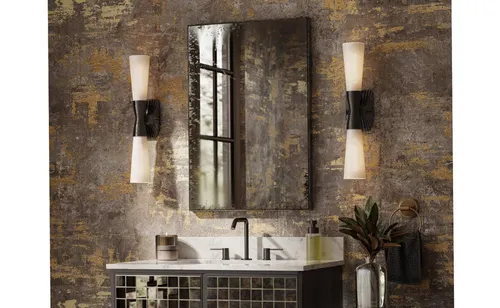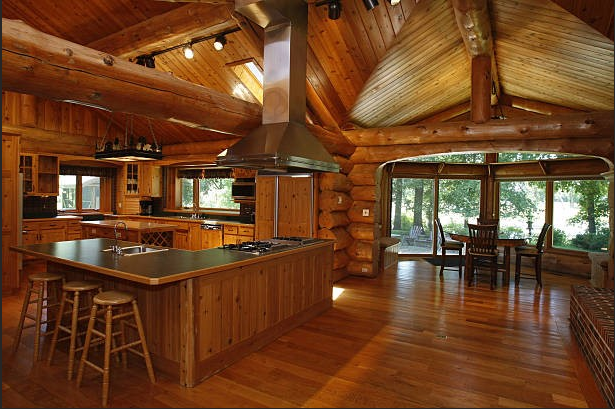
Remember when every new kitchen seemed dipped in white paint, from the upper cabinets to the island? That polished look photographed well, but many homes began to feel more like showrooms than places where families actually lived. Now, visible grain, mellow tones, and handcrafted details are changing the mood. Natural wood brings movement and personality without demanding loud color. In today’s furniture design, the appeal is not nostalgia alone; it is a practical shift toward rooms that feel grounded, flexible, welcoming, and genuinely yours over time.
Key Takeaways
- Natural grain is replacing visual perfection as homeowners seek kitchens that feel personal rather than mass-produced.
- Slim profiles are modernizing wood cabinetry, leaving the bulky, dark styles of past decades behind.
- Useful storage and tactile materials now work together, giving homeowners warmth without sacrificing everyday function.
5 Reasons Natural Wood Is Reshaping American Kitchen and Furniture Design
According to Vogue’s interior design trends report, lived-in rooms, aged woods, natural kitchens, and human-made details are gaining attention as homeowners turn away from spaces designed mainly to look perfect online. This shift is part of a wider move toward interiors with personality. Natural wood fits that mood because it can feel refined without appearing overly staged.
- Visible Grain Feels Personal
A perfectly matched kitchen can look beautiful, but it can also feel a little too polished. Natural wood changes that. The grain, knots, and subtle shifts in color give the room more character, so it feels lived in rather than staged.
According to a NewHomeSource review of kitchen trend research, natural wood cabinets have surpassed white in popularity. It also points to a broader preference for wood-grain finishes over painted cabinetry, reflecting a move toward kitchens that feel warmer, more relaxed, and more personal.
You get a room that feels welcoming at first glance and continues to reflect your family’s personality instead of following a passing design trend.
- Modern Profiles Replace Bulk
Natural wood no longer means thick cabinet frames, ornate trim, or dark stain. Today’s kitchens lean toward slim Shaker profiles, flat-panel doors, integrated pulls, and light species such as white oak or ash. These details allow the grain to become part of the design rather than compete with decorative moldings.
In modern cabinet design, proportions matter as much as the material. Narrow rails, continuous grain on slab fronts, and full-height cabinetry can make your kitchen feel cleaner and more open. Pairing wood with stone countertops, brushed metal, or painted finishes also gives you contrast without making the room feel busy.
You keep the warmth of wood while giving your kitchen a cleaner, brighter look that will still feel fresh years from now.
- Function Finally Meets Warmth
A beautiful kitchen quickly loses its appeal if the storage does not support your routine. Deep drawers for cookware, pull-out pantry shelves, tray dividers, and appliance garages can keep your counters clearer and your most-used items easier to reach.
A 2026 kitchen trends report featuring Angi’s consumer findings connects the return of natural wood with growing interest in durability and practical upgrades. In furniture design, that balance matters because your cabinets should improve how you cook, clean, and organize, not simply fill an empty wall.
When storage follows your routine, everyday cooking, cleaning, and entertaining become smoother because everything has its own practical place.
- Imperfection Creates Identity
One reason natural wood stands out is that every board looks slightly different. Grain movement, mineral streaks, knots, and subtle color changes give each finished piece its own character.
Using natural edge wood for an island top, floating shelf, or dining table lets you bring that uniqueness into your home without overwhelming the room. Designers often keep live-edge details to one focal point so the piece feels special instead of competing with the rest of the space.
You end up with a kitchen that feels personal, timeless, and distinctive without making the overall design feel overly rustic or busy.
- Texture Counters Digital Fatigue
After spending hours with phones, laptops, and televisions, you may find natural materials more relaxing at home. Wood reflects light differently throughout the day, adding depth and warmth that painted surfaces often cannot create.
House Digest’s coverage of nature-inspired kitchen trends for 2026 highlights natural cabinetry, organic textures, and earthy finishes as key parts of calmer interiors. In furniture design, combining wood with stone, linen, or handmade ceramics can help your kitchen feel layered instead of flat.
You create a kitchen that feels calmer, warmer, and more inviting, making it easier to unwind and enjoy everyday moments at home.
Final Thoughts
Natural wood is making a comeback because Americans are done choosing between character and practicality. The newest rooms use grain, tone, and craftsmanship with a lighter touch, creating spaces that handle real life while still feeling distinctive. Good furniture design now leaves room for variation instead of hiding it beneath uniform paint. When you select the species, finish, and layout around your habits, wood becomes more than a passing trend. It becomes a flexible foundation that can mature gracefully with your home, your family, and your changing style.
FAQs
Are Wood Cabinets Difficult to Maintain?
No. A well-finished wood cabinet needs gentle cleaning, prompt spill removal, and protection from excess moisture or abrasive products.
Should Every Wood Tone Match?
No. Choose compatible undertones and allow one wood shade to dominate so the room feels layered, balanced, and intentional.
Who Should Install Custom Cabinetry?
A skilled kitchen cabinet contractor can ensure accurate measurements, useful storage, correct clearances, and a secure, polished installation.