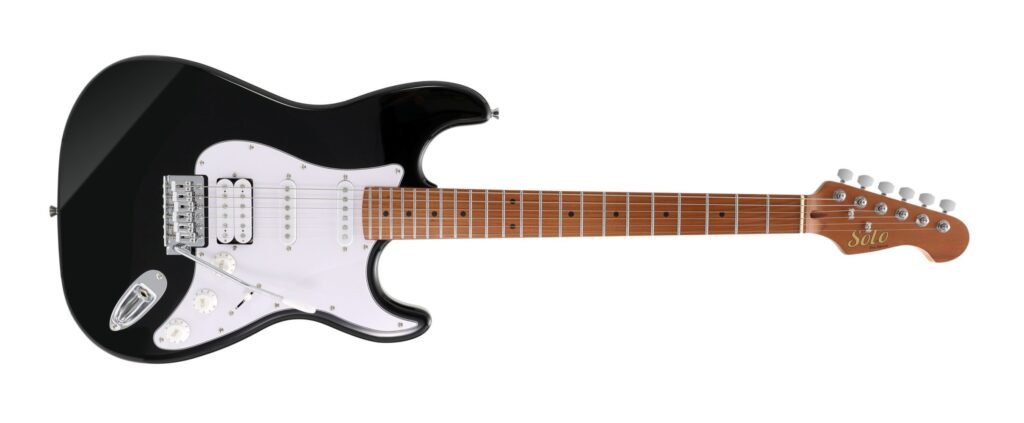
Every instrument reacts differently to how it is built, tuned, and played. A simple hardware change can help with the tuning, and an electronic upgrade can add clarity, warmth, or output. Musicians don’t need a new instrument to enjoy a more personal playing experience all the time. Knowing how each part works makes it easier to plan upgrades and avoid wasting time and money. In this article, we’ll look at how the right components can improve tone, comfort, reliability, and overall control.
Understanding How Components Affect Tone
Pickups, potentiometers, capacitors, bridges, nuts, and saddles can all shape the way an instrument sounds and feels. Pickups usually make the biggest difference to the electrical signal, but the smaller components also play a part. A different potentiometer value can change brightness, while the capacitor affects how the tone control responds. Bridge and saddle materials may also influence sustain and resonance. Choosing guitar parts should begin with a clear goal instead of replacing several items without a reason. In my opinion, one thoughtful change often gives better results than many random upgrades made at the same time.
Deciding Which Upgrades Are Useful
Not every modification creates a clear improvement. Some upgrades fix a real problem, while others mainly change the appearance or feel of the instrument. Access to reliable guitar parts and service can help players understand which changes suit their needs before they spend money.
Useful questions include:
1. Does the instrument remain in tune during normal playing?
2. Are the controls loose, noisy, or difficult to use
3. Does the bridge allow comfortable action and correct intonation
4. Do the tuning machines turn smoothly and hold their position
5. Does the pickup output suit the preferred style of music?
This simple check can prevent unnecessary purchases. It also helps musicians separate real performance needs from cosmetic changes. Both can be worthwhile, but understanding the purpose keeps the project organized and easier to manage.
Setup Work Completes the Upgrade
Installing new hardware is only one part of the job. Changing the bridge, tuning machines, nut, saddles, pickups, or strings may affect neck relief, action, intonation, and pickup height. Proper guitar setups help bring these areas back into balance after the upgrade. For example, thicker strings can add tension and slightly change the neck position. A new bridge may also need careful saddle adjustments. Each change should be made slowly because even a small movement can affect tuning and comfort. Players with the right tools may handle basic work, but fret, nut, and neck adjustments often need more care and experience.
Checking Compatibility Before Installation
A replacement item may look correct online but still have different measurements, mounting holes, shaft sizes, wiring needs, or string spacing. Checking these details before ordering can save time and lower the risk of unwanted drilling, filing, or damage. For more complex projects, professional guitar tech support may help confirm whether an item will fit and whether special tools are required. Asking for help is often the smarter choice, especially when the work could permanently affect the instrument. Careful planning also makes the installation process smoother and reduces the chance of purchasing an unsuitable component.
Conclusion
Choosing components carefully gives musicians more control over tone, tuning, comfort, and reliability. Better results usually come from identifying one clear need, checking compatibility, installing the item properly, and making the required adjustments once the work is complete.
SOLO Music Gear supports musicians, builders, hobbyists, and repair shops with kits, hardware, tools, technical resources, and maintenance services. Its online range helps customers across Canada and the USA plan practical builds, repairs, and upgrades with greater confidence.
Frequently Asked Questionsaca
Question: Which component should I upgrade first?
Answer: Begin with the part connected to a clear problem. Poor tuning may come from worn tuning machines, a badly cut nut, or incorrect string fitting. Tone issues may require pickup or electronic changes after simpler causes have been checked.
Question: Can replacement hardware fit every instrument?
Answer: No. Similar items may have different sizes, mounting patterns, shaft lengths, or string spacing. Measure the existing part carefully and compare the specifications before buying. Direct-fit replacements are usually easier and require fewer permanent changes.
Question: Do electronic upgrades always improve sound?
Answer: Not always. An upgrade may create a different tone, but different does not always mean better. Pickup type, potentiometer value, capacitor choice, amplifier settings, and playing style all affect the final result.