
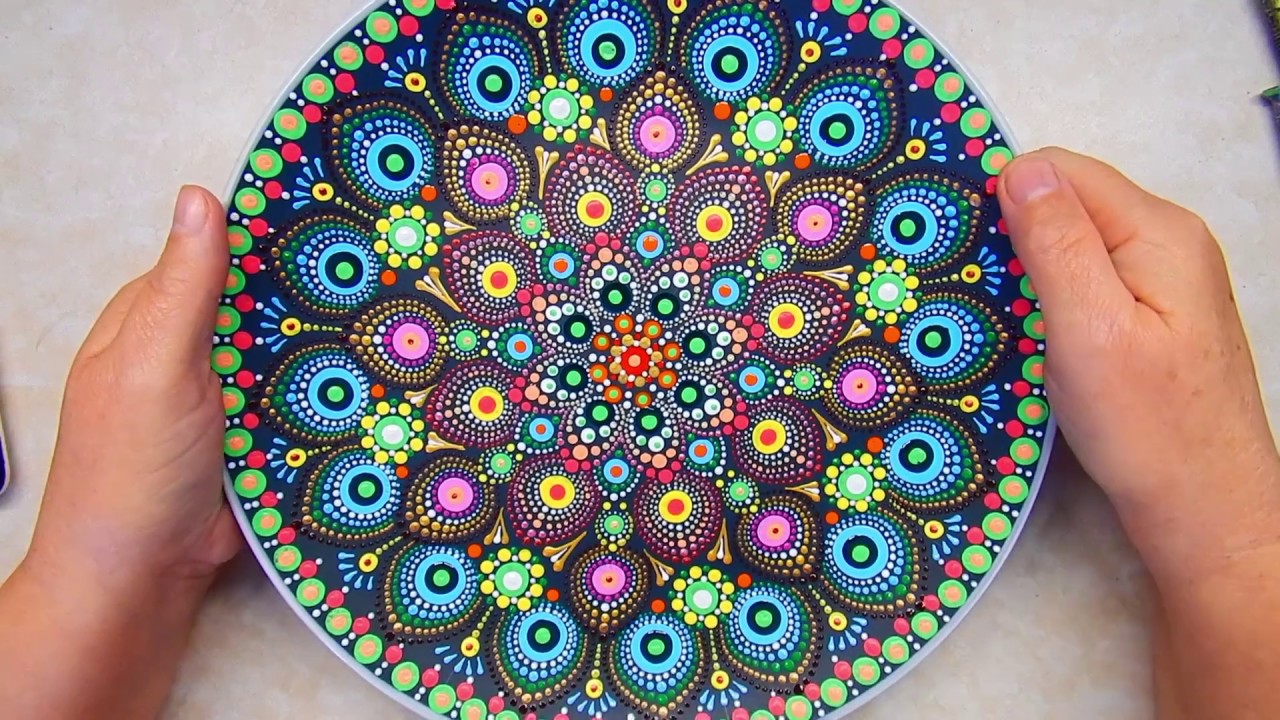
Creating mandala art is a relaxing and creative activity that allows artists to explore patterns, shapes, and colors through detailed designs. Beginners often wonder what materials are necessary to begin this artistic journey. Having the right supplies makes the process easier and more enjoyable. Many artists explore different styles and even collect or display Mandala artworks for sale to appreciate the beauty and craftsmanship behind these creations.
The Importance Of Basic Mandala Art Tools
Starting mandala art does not require expensive equipment or advanced skills. A few simple tools can help beginners create balanced patterns and detailed designs with confidence. The purpose of each tool is to support accuracy, creativity, and comfort during the drawing process. Basic supplies such as paper, pencils, rulers, and coloring materials provide a strong foundation for practicing different mandala styles. Artists can gradually add specialized tools as their skills improve and their artistic preferences become clearer.
The quality of tools can influence the overall appearance of a mandala design. Smooth paper allows colors to spread evenly, while fine drawing instruments help create precise lines and dots. Beginners should focus on learning techniques rather than purchasing a large collection of materials. A carefully selected set of reliable supplies is enough to practice symmetry, develop patience, and create attractive artwork. Proper tools also make it easier to experiment with different patterns and decorative elements.
Essential Drawing Supplies For Creating Mandala Designs
A good drawing surface is one of the first things needed for mandala creation. Many artists prefer thick sketch paper, watercolor paper, or mixed-media sheets because they handle different mediums effectively. A clean and smooth surface allows lines to appear sharper and prevents unwanted marks. Choosing the right paper size also depends on the level of detail planned for the artwork. Small sheets work well for practice, while larger pages provide more space for complex designs.
Pencils are another important tool for planning mandala patterns. A regular graphite pencil helps artists create light guidelines that can be erased later. Different pencil grades offer different levels of darkness, allowing better control during sketching. A sharpener keeps pencil tips ready for accurate drawing, especially while creating small shapes and detailed sections. An eraser is equally important because it helps remove construction lines without damaging the paper surface.
Choosing The Right Tools For Accurate Patterns
A ruler and compass are useful instruments for maintaining symmetry in mandala artwork. The circular structure of mandalas requires careful spacing, and these tools help create balanced sections. A compass allows artists to draw perfect circles that act as the foundation for many designs. A ruler helps measure distances between patterns, ensuring that each section remains visually consistent. These simple instruments are especially helpful for beginners learning the basics of mandala construction.
Fine-tip pens and markers are commonly used to outline and complete mandala designs. Artists often choose pens with different nib sizes to create variation in line thickness. Thin tips are suitable for delicate details, while slightly thicker tips work well for bold outlines. Waterproof ink pens are also popular because they prevent smudging when adding colors later. Selecting comfortable pens with smooth ink flow allows artists to spend more time focusing on creativity.
Coloring Materials That Bring Mandalas To Life
Colors play an important role in defining the mood and style of a mandala design. Beginners can start with colored pencils because they are easy to control and suitable for detailed sections. They allow gradual color building and provide flexibility for blending different shades. Markers, gel pens, and watercolor paints are also popular choices among artists who want different visual effects. Each medium creates a unique finish, making experimentation an important part of artistic growth.
A well-organized coloring setup helps artists work efficiently during long creative sessions. Keeping colors arranged by shade or type makes it easier to select suitable combinations while designing. Artists can explore traditional color themes or develop personal styles through different combinations. Good lighting is also valuable because it helps identify small details and prevents eye strain. Comfortable working conditions allow creators to focus on precision and enjoy the process of making detailed mandala artwork.
Additional Creative Tools For Advanced Mandala Practice
Artists who gain confidence with basic supplies can explore additional tools to create more detailed and expressive mandala designs. Dotting tools, acrylic paints, brushes, stencils, and metallic pens can introduce new textures and decorative effects. These materials are not necessary for beginners but can provide more opportunities for experimentation. Many experienced creators gradually build their collections based on the techniques they enjoy most. Selecting tools that match personal artistic goals helps maintain creativity and makes each mandala project more enjoyable.
Using Dotting Tools For Detailed Patterns
Dotting tools are widely used in mandala art because they help create evenly sized circles and decorative details. These tools are available in different sizes, allowing artists to produce small, medium, and large dots within their designs. Beginners can also use household items such as the end of a paintbrush or a simple stick for practicing dot techniques. Consistent pressure and paint control are important for creating neat patterns. Regular practice helps artists understand spacing and develop a steady hand for detailed work.
Adding Texture With Brushes And Paints
Brushes and paints offer another way to experiment with mandala designs. Acrylic paints are commonly chosen because they provide strong colors and work well on various surfaces. Different brush sizes allow artists to create fine details, broad areas, and decorative strokes. A small brush is useful for precise sections, whereas larger brushes can cover backgrounds efficiently. Practicing with different paint consistencies helps artists understand how materials behave and how they can be used to create unique visual effects.
Step-By-Step Guide To Preparing Your Mandala Workspace
A comfortable workspace plays an important role in creating successful mandala artwork. A clean table, proper lighting, and organized materials help artists focus on their designs without unnecessary distractions. Beginners should prepare their supplies before starting a project to avoid interruptions during the creative process. A peaceful environment can encourage patience, which is essential because mandalas often include many repeated patterns and detailed sections.
The process of preparing a mandala workspace can include the following steps:
- Select a stable table or surface with enough room for drawing materials.
- Arrange pencils, pens, colors, and other tools within easy reach.
- Use bright lighting to clearly see small details and patterns.
- Keep paper and reference designs organized for quick access.
- Maintain a clean area to prevent accidental marks or spills.
A prepared workspace allows artists to spend more time creating and less time searching for supplies. Organization also protects materials and keeps the creative process enjoyable. Artists who develop good habits early often find it easier to complete larger and more complex mandala projects. A dedicated area does not need to be large; even a small corner can become a productive creative space with proper arrangement.
Common Mistakes Beginners Should Avoid In Mandala Art
New artists often focus too much on creating perfect designs instead of enjoying the learning process. Mandala art requires patience, and small mistakes are a natural part of improvement. Pressing too hard with pencils, rushing through patterns, or using unsuitable materials can affect the final result. Beginners should practice basic shapes and spacing techniques before attempting highly detailed designs. Regular practice builds confidence and helps artists develop their own creative approach.
Another common mistake is ignoring the importance of balance and symmetry. Mandalas are based on repeated patterns, so uneven spacing can make the design appear inconsistent. Using guidelines and measuring tools can help maintain structure. Artists should also avoid limiting themselves to traditional patterns only. Exploring different styles, colors, and techniques allows creators to develop unique artwork that reflects their personal expression.
Conclusion
Creating mandala art begins with understanding the value of simple and reliable tools. Basic supplies such as quality paper, pencils, rulers, pens, and coloring materials provide everything needed to start practicing beautiful designs. Additional tools can be introduced as skills develop and artistic interests expand. A comfortable workspace, regular practice, and patience are key elements for improving technique. With the right preparation, anyone can enjoy the calming and creative experience of making detailed mandala artwork.