The demonstration always looks impressive. Clean dashboards, tidy reports, a confident presenter clicking through features in a quiet conference room. Then the contract is signed, the system meets the reality of a job site, and the gap between demo and daily use becomes expensive. Choosing EHS safety software for high-risk industries is not about who has the longest feature list. It is about which platform survives contact with a construction site, a plant floor, or a remote wellhead. Construction, manufacturing, and oil and gas each carry distinct hazards, and the right choice starts with matching the tool to those realities.
Start With the Frontline, Not the Dashboard
Executives buy software for the reports. Workers succeed or fail with it based on the daily experience. Many platforms stall because field crews find them slow or confusing, and adoption collapses. A tool nobody uses generates no data, and no data means no visibility into risk.
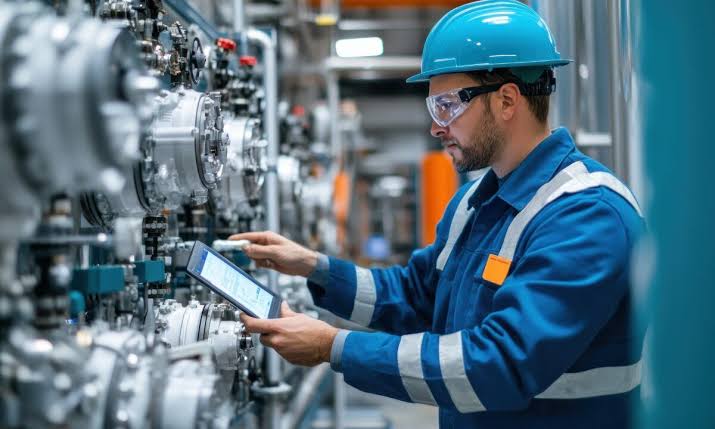
Prioritize usability for people who are not tech-savvy. Field workers in these industries often wear gloves, work in poor conditions, and have little patience for clumsy screens. A mobile-first design with offline capability is not a bonus in these environments; it is the baseline. If a platform assumes constant connectivity and a comfortable desk, it will not survive a remote site.
Configurability Over Rigid Depth
The most feature-rich system is not automatically the best EHS software for a given operation. A platform packed with detailed workflows can overwhelm an organization that is still maturing its safety program. A company with a small safety team and a workforce new to digital reporting will stall under a system built for a large enterprise with dedicated staff for every function. What matters more is whether the tool bends to fit the way a company actually works, and whether it can start simple and grow as the program matures.
Look for a form builder that lets safety teams create inspection checklists, hazard assessments, and incident reports without developer help. A construction firm needs Toolbox Talk tracking and subcontractor gate checks. A manufacturer needs machine guarding inspections and lockout procedures.
Match the Tool to the Hazard Profile
Each industry brings its own risks, and the platform should support them directly. Construction contends with fall protection, site-specific hazards, and constant subcontractor turnover. Manufacturing faces moving equipment, laceration risks, and chemical handling on the floor. Oil and gas manages remote operations, high-consequence process hazards, and rugged off-grid conditions.
The best EHS software for one of these sectors handles the specific documentation, inspections, and compliance workflows that sector demands. Ask any vendor to show how their platform handles your highest-consequence hazard, not their favorite feature. A generic tool forces workarounds, and workarounds are where safety data gets lost.
Compliance and Data That Leaders Can Use
All three industries operate under strict OSHA requirements, and audit readiness is not optional. The platform should maintain audit trails, automate compliance reporting, and keep documentation accessible when an inspector arrives. Missing records during an audit can turn a manageable situation into penalties and shutdowns.
Beyond compliance, leaders need a centralized view of risk. Configurable dashboards should track leading indicators, such as near-miss reports and completed inspections, alongside lagging indicators, such as recordable injuries. This shift from reactive incident tracking to proactive risk management is the entire point of investing in a platform. The data has to surface problems early enough to act.
Building the Evaluation Process
Structure the selection around evidence, not impressions. Run a pilot on a real site with real workers rather than judging a scripted demo. Confirm offline performance in the field, not just in the conference room. Test the form builder by rebuilding one of your existing safety forms. The best choice is the one that fits your hazards, earns frontline adoption, and gives leadership a clear line of sight into risk across every site. Match the tool to the work, and the safety program has a foundation it can build on for years. Trusted by more than 10,000 companies across construction, manufacturing, and oil and gas, Novara Flex is among the best EHS software platforms for exactly this kind of real-world, frontline-first safety management.