Dubai is harder on furniture than most people realize. Outdoor humidity hovers high for much of the year, indoor AC pulls the air bone dry, natural light is intense, and dust settles on every surface if you look away for more than a day. All of that affects how a piece of furniture ages, and the coffee table takes more of a beating than almost anything else in the home. Choosing the right material matters more here than it would in a milder climate, whether you’re weighing a wood, steel, or microcement coffee table Dubai. Here’s how the common options actually hold up.
Microcement: Grounded and Genuinely Durable
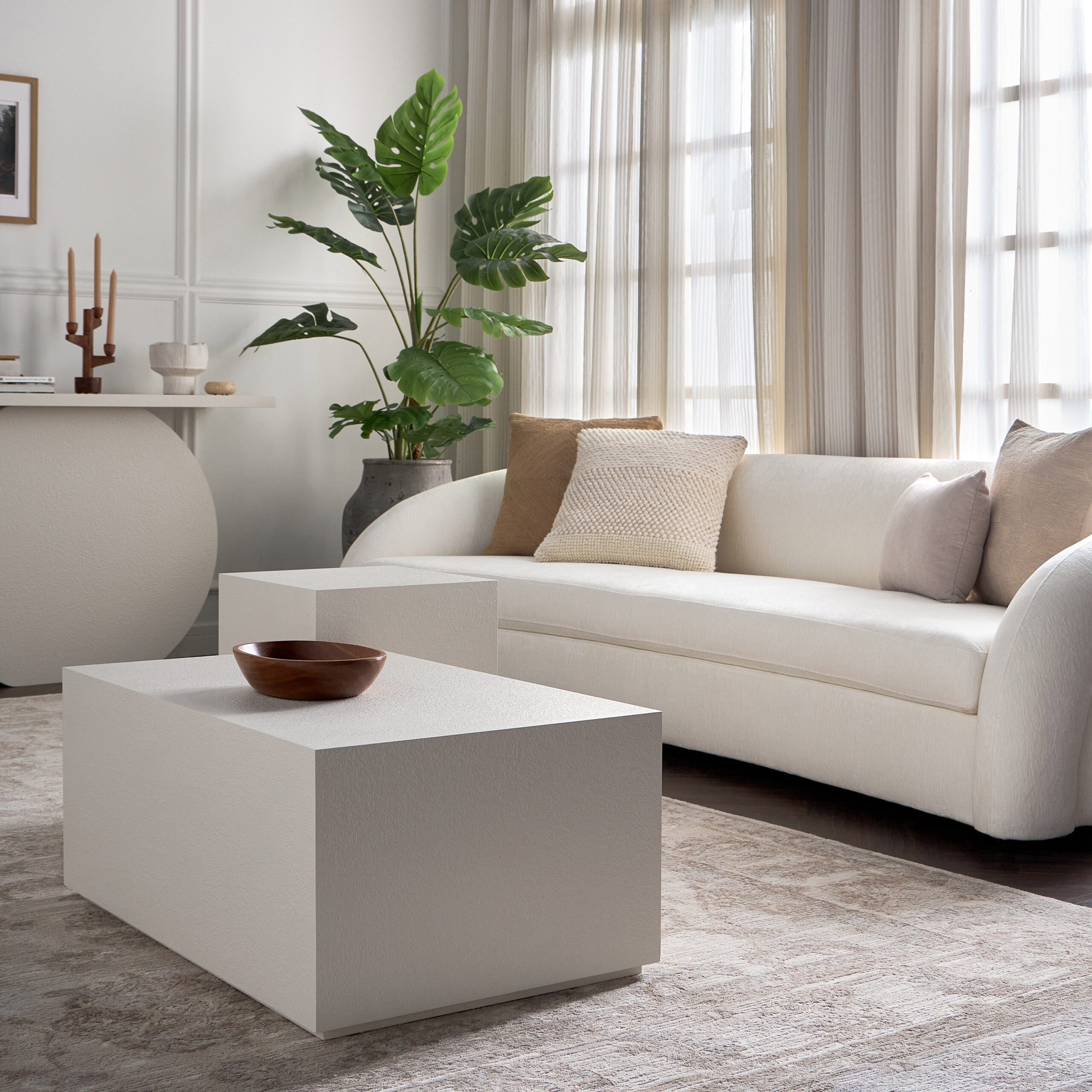
Once sealed, microcement is one of the toughest surfaces you can put in a Dubai living room. It handles heat without warping, doesn’t fade in strong light, and shrugs off the daily contact of coffee cups, wine glasses, and remote controls. The matte, monolithic surface also has a practical advantage: it hides light dust between cleanings better than glossy finishes, which show every speck.
Choosing a microcement coffee table in Dubai requires a little care. Harsh chemicals and abrasive cleaners can wear the sealed surface down over time, so a damp cloth and a mild cleaner are the way to go. Beyond that, it’s low-maintenance. That’s part of why microcement has become such a popular material for anchor pieces in Dubai homes: it looks considered, feels tactile, and doesn’t ask much in return.
Stainless Steel: Effectively Bulletproof
If you want a coffee table that survives whatever daily life throws at it, stainless steel is hard to beat. It handles heat, spills, and heavy use better than almost any other material, which is why it shows up so often in hotel lobbies and busy family rooms. Steel doesn’t warp in humidity, doesn’t fade in sunlight, and doesn’t stain when a drink gets left on it overnight.
The one honest trade-off with a stainless steel coffee table in Dubai is fingerprints. All stainless steel shows them, regardless of what any product page claims. A quick wipe with a soft cloth handles it, and the finish (brushed satin or mirror-polished) affects how visible the marks are. Brushed hides them better; polished shows more but also reflects more light around a room. Either way, choosing a stainless steel coffee table Dubai is choosing furniture that’s close to indestructible.
Wood: Beautiful, but Needs Care
Solid wood and quality veneers can be stunning in a Dubai living room, but they ask for more attention than microcement or steel. The main enemies are direct sun (which fades and dries the surface) and AC vents blasting cold, dry air (which pulls moisture from the wood and can lead to small cracks over years). Position matters: keep a wood coffee table out of direct sunlight and away from strong AC flow, and it will age beautifully.
Wood also does need occasional care. Depending on the finish, a wood conditioner or oil applied once or twice a year keeps the surface fed and looking right. It’s not high-maintenance, but it’s not zero-maintenance either. If you want the warmth and grain of wood, it’s worth the small effort.
Glass, Marble, and Terrazzo
For quick reference, here’s how the other common materials fare:
- Glass: Handles heat and humidity fine, but shows every fingerprint, water mark, and speck of dust. Best in low-traffic rooms.
- Marble: Beautiful and durable, but porous, so acidic spills (wine, coffee) can etch the surface if not wiped up quickly. Needs sealing.
- Terrazzo: Very durable, hides wear well thanks to the speckled surface, and handles heat and humidity without issue. Underrated for Dubai homes.
The Practical Ranking
If common coffee table materials are sorted by how much they ask of you in Dubai’s climate, the order looks roughly like this:
- Stainless steel: Nearly zero maintenance. Wipe fingerprints, done.
- Microcement: Low maintenance. Damp cloth, avoid harsh cleaners.
- Terrazzo: Low maintenance. Occasional sealing.
- Wood: Care with placement, occasional conditioning.
- Marble: Prompt spill cleanup, occasional sealing.
- Glass: Frequent wiping to look right.
Choosing for Your Home
The right material depends on how the room actually gets used. High-traffic homes with kids or entertaining should probably lean toward a steel or microcement. Quieter rooms can handle wood, marble, or glass without much trouble.
Studio Obliq designs and produces coffee tables in microcement, solid wood, stainless steel, terrazzo, and glass from its Dubai workshop, with each piece built to handle the climate and the daily life of the room it lives in.