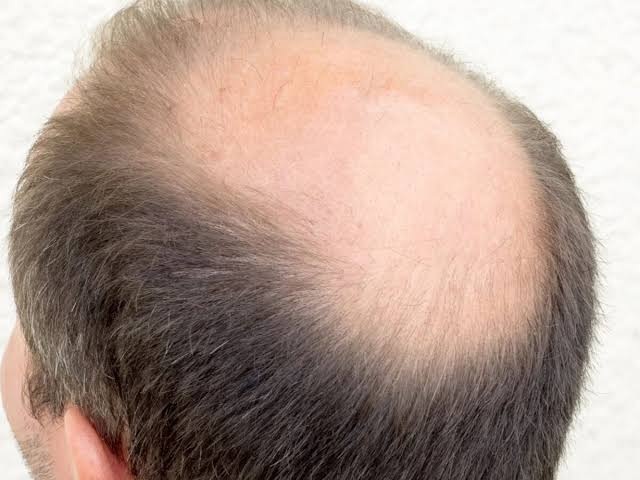
Dealing with thinning hair or bald spots at the vertex can significantly impact an individual’s overall appearance and self-assurance. For many individuals experiencing vertex hair thinning, opting for a Crown Hair Transplant in Abu Dhabi offers an effective pathway toward restoring a fuller head of hair. Unlike standard hairline restoration, the crown region presents unique anatomical challenges due to its characteristic whorl pattern and changing hair directions. This detailed guide explores everything you need to know about the procedure, eligibility criteria, procedural phases, and expected recovery milestones without focusing on pricing or clinical providers.
What is a Crown Hair Restoration Procedure?
Vertex hair restoration is a specialized surgical technique focused on redistributing healthy hair follicles from denser donor regions—typically the back or sides of the scalp—to areas experiencing thinning or baldness at the top back of the head. Because hair on the crown grows in a circular vortex pattern rather than a uniform forward direction, achieving natural-looking density requires high artistic precision and technical expertise.
- Targeted Coverage: Specifically addresses vertex and vortex thinning patterns rather than frontal hairline recessions.
- Follicle Redistribution: Relocates permanent, DHT-resistant hair roots from the donor zone into the recipient balding zones.
- Natural Integration: Ensures that transplanted strands match the surrounding existing hair angle, depth, and growth trajectory.
- Permanent Improvement: Provides lasting structural enhancement since relocated follicles retain their genetic resistance to shedding.
Is Vertex Hair Restoration Suitable for Everyone?
A common question among individuals seeking aesthetic improvements is whether this treatment works universally for all pattern hair loss cases. Evaluating candidacy requires assessing specific physiological factors, including scalp laxity, donor hair abundance, and the stabilization stage of hair loss.
- Donor Density Availability: Patients must possess a sufficient supply of healthy, dense hair follicles in the back or sides of the head to cover the recipient zone adequately.
- Hair Loss Stabilization: Younger individuals experiencing aggressive, active hair thinning may need to wait until their shedding pattern stabilizes to prevent an unnatural “halo” or “donut” gap effect as native hair continues to recede around the transplanted patch.
- Scalp Health Conditions: The recipient skin tissue must be free from active inflammatory scalp disorders, infections, or chronic dermatological conditions that could impede proper healing.
- Realistic Expectations: Candidates should understand that crown restoration focuses on creating visual density and full coverage rather than recreating the thick juvenile hair density of early adolescence.
Step-by-Step Breakdown of the Surgical Process
Understanding the structural stages of the procedure helps alleviate anxiety and prepares individuals for what happens during their appointment. Modern techniques prioritize minimal invasiveness and precise micro-graft placement.
- Initial Mapping and Design: Specialists examine the scalp geometry, map out the vertex vortex swirl, and design the precise boundaries of the treatment area.
- Local Anesthesia Application: Local numbing agents are administered to both the donor and recipient zones to ensure comfort throughout the duration of the appointment.
- Follicle Harvesting: Individual follicular units are carefully extracted from the donor region using specialized micro-punch instruments or precision strip harvesting methods depending on the chosen technique.
- Graft Preparation and Sorting: Harvested grafts are cleaned, sorted by hair count, and preserved in specialized nutrient solutions to maintain their viability.
- Precision Implantation: Micro-incisions are made in the crown area, and follicles are inserted individually, meticulously following the natural swirling pattern of the vertex.
Recovery Timeline and Post-Treatment Expectations
Healing from a vertex restoration procedure is a gradual journey that requires patience and adherence to proper aftercare protocols. While initial surface healing happens quickly, full cosmetic maturation takes several months.
- Initial Healing Phase (Days 1 to 10): Mild redness, minor swelling, and tiny scabs form around the newly placed grafts, which naturally flake off within the first week to ten days.
- Shedding Phase (Weeks 2 to 4): It is completely normal for the newly transplanted hairs to experience shock loss and fall out; the underlying root follicles remain safely embedded beneath the scalp.
- Early Regrowth Stage (Months 3 to 6): New hair shafts begin to sprout through the skin surface, initially appearing fine and gradually gaining thickness and pigmentation.
- Maturation and Final Density (Months 9 to 12+): The crown area fills out completely, achieving maximum volume, robust texture, and seamless blending with the rest of the hairstyle.
Frequently Asked Questions
What makes treating the crown area uniquely challenging?
The crown features a distinct circular growth whorl pattern where hair radiates outward in multiple directions. Achieving a natural look requires precise control over the exit angle and depth of every single implanted graft to match this complex geometry.
Will the transplanted hair require special grooming products or maintenance?
No special shampoos, chemical treatments, or ongoing maintenance routines are required. Once fully grown, the transplanted hair can be washed, cut, styled, and dyed just like the rest of your natural hair.
Can the procedure be performed in a single session?
For mild to moderate vertex thinning, a single session is usually sufficient to achieve satisfactory coverage. However, individuals with extensive advanced baldness may require a staged second session later to maximize overall density.
Are the results of vertex hair restoration permanent?
Yes, because the harvested follicles are taken from permanent donor zones genetically programmed to resist pattern baldness hormones, the newly grown hair remains resilient and lasts a lifetime.