
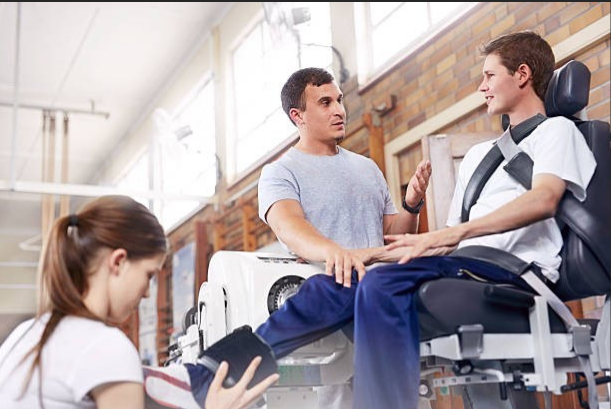
Communities without reliable clinics often face serious challenges in accessing basic care, timely treatment, and health education. For many families, distance, cost, and limited access to medical care can turn small health concerns into larger problems. This is where healthcare support becomes a vital part of community well-being. It helps bridge the gap between people and the care they need, especially in underserved areas.
By examining its role in these communities, we can better understand how access, guidance, and consistent support can improve daily life and build a stronger foundation for healthier futures.
Key takeaways
- Mobile care helps families receive treatment earlier.
- Prevention reduces disease risks in underserved areas.
- Mothers, babies, and children need consistent care.
- Local health workers build trust and improve access.
- Reliable medicine access can prevent serious complications.
- Strong health support helps communities become more resilient.
How Healthcare Support Strengthens Communities Without Reliable Clinics
- Provides Basic Medical Care
Mobile clinics, visiting nurses, and community health workers can bring essential healthcare support closer to families who cannot easily reach a clinic. These services help people receive treatment early, before minor health concerns become serious.
Basic care may include:
- General checkups
- First aid supplies
- Wound cleaning
- Referrals for serious cases
- Prevents Diseases Before They Spread
Prevention is especially important where treatment is hard to access. Healthcare programs can help communities lower the risk of outbreaks by improving awareness and providing preventive tools.
Prevention support may include:
- Vaccines
- Health screening
- Mosquito nets
- Clean water guidance
- Supports Mothers and Babies
Pregnant women, newborns, and infants need timely care, especially in areas without dependable clinics. Healthcare support can help mothers plan for safer births and recognize early warning signs.
Maternal and child support may include:
- Prenatal visits
- Safe delivery planning
- Newborn checkups
- Family planning guidance
- Helps Manage Chronic Illnesses
Long-term conditions can become dangerous when people cannot access regular care. Community-based healthcare support helps patients stay connected to treatment and avoid preventable complications.
Chronic care support may include:
• Medication access
• Symptom tracking
• Blood pressure checks
• Follow-up reminders
- Improves Health Education
Many health problems worsen when families lack clear, reliable information. Health education helps people understand how to protect themselves and when to seek urgent help, especially in communities facing Sudan poverty or limited access to a clinic.
Education topics may include:
- Nutrition
- Sanitation
- Mental health
- Reproductive health
- Reduces Preventable Deaths
Early treatment and basic emergency response can save lives in communities far from hospitals or clinics. Quick action is especially important for severe illness, injuries, childbirth complications, dehydration, and infections.
Emergency support may include:
- First response planning
- Danger sign awareness
- Emergency referrals
- Transport coordination
- Trains Local Health Workers
Training trusted community members creates support inside the community itself. Local health workers can notice problems early, guide families, and connect people with outside medical services when needed. This kind of local care also supports broader poverty support by reducing health-related setbacks.
Training may focus on:
- Warning signs
- Basic care guidance
- Medicine safety
- Referral steps
- Improves Access to Medicines
Reliable access to medicine can prevent treatable illnesses from becoming emergencies. Healthcare support can help communities receive basic supplies that are safe, appropriate, and properly managed.
Medicine support may include:
- Essential medicines
- First-aid items
- Vitamins
- Oral rehydration salts
- Builds Trust in Health Systems
When care is consistently delivered to people, families are more likely to seek help early and follow treatment advice. Trust grows when services are respectful, reliable, and easy to understand. Strong humanitarian services can help build this trust in areas where formal health systems are weak.
Trust can improve through:
- Regular outreach
- Clear communication
- Respectful care
- Community feedback
- Strengthens the Whole Community
Healthcare support does more than treat illness. It helps people stay well enough to work, attend school, care for children, and participate in community life. It can also support women empowerment by helping women access maternal care, health education, and safer choices for themselves and their families.
Community benefits may include:
- Better school attendance
- Stronger family stability
- Improved work participation
- Greater emergency readiness
- Reduces Travel Barriers to Medical Care
Distance, unsafe routes, and travel costs can stop families from getting care on time. Healthcare support can make it easier for patients to reach hospitals, referral centers, or emergency services when local care is not enough.
Travel support may include:
- Transport vouchers
- Fuel assistance
- Ambulance coordination
- Community driver networks
- Provides Telehealth Access Where Possible
Telehealth can help communities receive medical guidance when in-person visits are limited. It can be useful for follow-up questions, basic symptom guidance, treatment reminders, and connecting patients with specialists.
Telehealth support may include:
- Phone consultations
- Remote follow-up care
- Digital health education
- Specialist appointment coordination
Conclusion
Communities without reliable clinics need steady support that reaches people before health problems become emergencies. Basic care, prevention, maternal services, chronic illness management, access to medicine, training for local health workers, and trusted health education can all reduce suffering and improve daily life.
Healthcare support also helps families stay stronger by protecting work, school, childcare, and long-term stability. When care is brought closer to the community, people are more likely to seek help early, follow treatment, and prepare for future health challenges with greater confidence and dignity.
Contact World Poverty Solution LLC today to support stronger community health programs that bring care, guidance, and hope to families without reliable clinics.
FAQs
How can communities prepare before a health outreach team arrives?
Communities can prepare by identifying high-risk families, sharing visit dates clearly, arranging a safe location, and helping elderly people, pregnant women, and people with disabilities reach the service point.
Why is patient record keeping important in areas without clinics?
Basic records help health workers track vaccinations, pregnancy visits, chronic illness care, medicine use, and referrals. This makes follow-up easier when different teams visit the same community.
How can healthcare programs protect patient privacy?
Programs can protect privacy by using confidential consultations, secure records, trained staff, and private spaces for sensitive concerns such as pregnancy, mental health, or reproductive health.
What role do local leaders play in healthcare support?
Local leaders can help by sharing accurate information, encouraging families to use services, identifying urgent needs, and supporting safe access for visiting health teams.
How can health support reach people with disabilities?
Programs can include home visits, accessible service points, caregiver guidance, mobility support, assistive devices, and referral help for specialized care.
Why should healthcare support include emergency planning?
Emergency planning helps communities respond faster during outbreaks, injuries, childbirth complications, severe weather, or displacement. It also helps families know where to go and who to contact when urgent care is needed.
How can healthcare support help children who miss routine care?
Healthcare support can help children catch up on missed vaccines, growth checks, nutrition screening, and basic health visits. This is especially helpful in communities where families move often or clinics are not consistently available.