
DBT has a public image problem. Even people who work in mental health sometimes still think of it as the BPD treatment, which made sense in the 1990s but does not really hold up anymore. The skills DBT teaches are useful across a wide range of concerns, and the research base has grown well beyond the original population it was designed for.
If you have been told DBT could help and you are wondering why your counselor is suggesting it when you do not have a BPD diagnosis, this is a good place to start.
The Core Idea Behind DBT
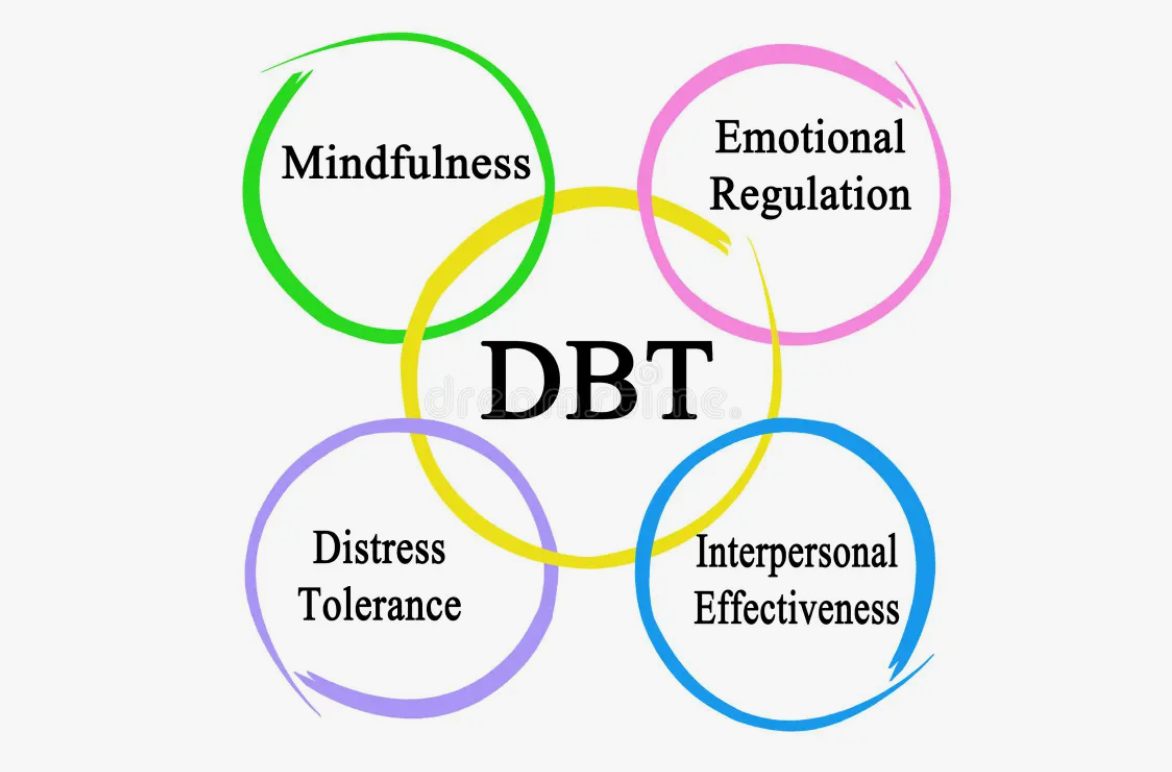
DBT was built by Marsha Linehan in the 1980s and 1990s. She combined cognitive behavioral methods with mindfulness practices and added an emphasis on acceptance alongside change. The model has four skill areas: mindfulness, distress tolerance, emotion regulation, and interpersonal effectiveness.
Each of these areas targets a common human problem. People get overwhelmed by emotion. People react before they think. People struggle in relationships. People have a hard time sitting with discomfort without making it worse.
You do not need a diagnosis to recognize yourself in that list.
Populations That Benefit From DBT
The research on DBT has expanded a lot since the early studies. Here are some of the groups where the model has strong evidence.
People With Substance Use Concerns
DBT for substance use is one of the better studied adaptations of the model. The distress tolerance skills line up almost exactly with what people in recovery need. The work of riding out a craving without acting on it is essentially distress tolerance with a specific application.
People With Eating Concerns
DBT has been used successfully with binge eating disorder and bulimia, and there is growing research on its use with restrictive eating patterns. The emotion regulation and distress tolerance skills give people alternatives to the eating behavior they have been using to manage feelings.
People With Chronic Suicidal Thinking or Self Harm
This is where DBT started, and it remains the strongest area of evidence. Full DBT programs are often the recommended treatment for people who have been struggling with these patterns for years and have not gotten relief from other approaches.
Teenagers & Their Families
DBT has been adapted for adolescents, and there is a parallel program that includes a parent group. The work targets the kinds of emotional and interpersonal struggles that come up in teenage years, and it gives parents tools to support their kids without making things worse.
People With PTSD
DBT alone is not the standard treatment for PTSD, but DBT skills can be a stabilizing first step before trauma focused work. The skills help people manage the day to day so they have the bandwidth for deeper processing.
People With Bipolar Disorder
The emotion regulation skills in DBT pair well with the mood tracking and lifestyle work that bipolar treatment often involves. Many people with bipolar disorder use DBT skills as part of their broader treatment plan.
People With Anxiety
The mindfulness and distress tolerance skills in DBT Therapy are useful for anxiety even when DBT is not the main treatment. Counselors often weave these skills into work that is primarily CBT or another approach.
Why the Skills Travel So Well
DBT teaches things that most people were never explicitly taught. How to sit with a feeling without acting on it. How to ask for what you need without burning the relationship. How to drop into the present moment when your mind is spinning. How to recognize and step out of a thought pattern that is not serving you.
These are basic life skills. The fact that they are taught most thoroughly in a clinical model originally designed for one population says more about how mental health training got organized than it does about who needs the skills.
How DBT Shows Up in Different Settings
You do not always have to enroll in a full DBT program to benefit. There are a few ways the model gets used.
Full DBT Programs
A full program includes weekly skills group, weekly individual counseling, between session phone coaching, and a team that supports the counselors. This is the model with the strongest research, and it is built for people with severe and long standing concerns.
Skills Only Groups
Some practices offer DBT skills groups without the rest of the program. These are useful for people who want to learn the skills but do not need the intensity of full DBT.
DBT Informed Counseling
This is the most common version. A counselor uses DBT skills and concepts in regular individual counseling, pulling from the model as it fits the person in front of them. Practices like Artisan Counseling that work across many concerns often have counselors who can teach DBT skills in this way without putting clients through the full program.
How to Tell If DBT Might Help You
If you find yourself reacting before you think, struggling to manage strong emotions, having a hard time in relationships, or feeling like you cannot tolerate distress without doing something to escape it, DBT skills are worth a look. None of these things require a diagnosis.
Ask your counselor if they pull from DBT and what that would look like in your sessions. Most will be glad to walk you through how the skills could fit your situation.
The label is not the point. The skills are. The original population DBT was built for had a lot to teach the rest of us about how to live with strong feelings, and the model has matured into something that helps almost anyone willing to learn it.