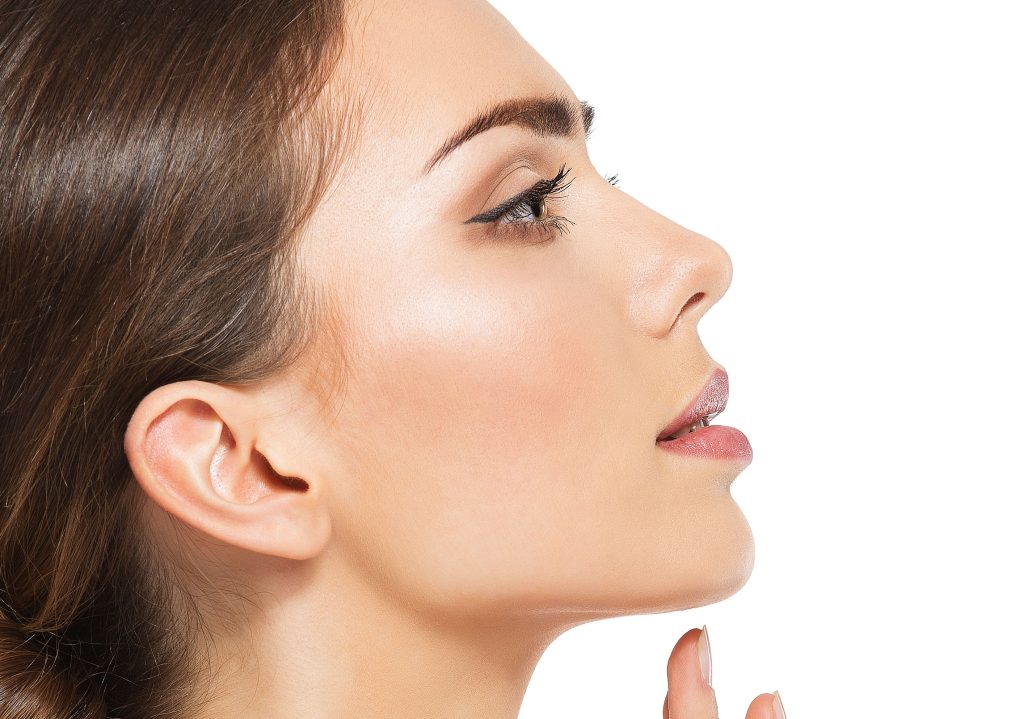
The human face is a complex architecture of symmetry and proportion, where the nose serves as the central pillar of aesthetic balance. Subtle changes to the structure or movement of this feature can significantly influence one’s overall facial harmony. Many individuals are exploring non-surgical avenues to address specific concerns regarding nasal appearance, and Botox for Nose in Abu Dhabi is becoming a popular topic for those seeking refined facial contours without invasive procedures.
- The nose acts as the anchor for facial symmetry.
- Non-surgical interventions are increasingly preferred for minor aesthetic adjustments.
- Understanding how neuromuscular modulators function in this area is key to managing expectations.
The Science of Neuromodulators in Facial Aesthetics
At its core, the treatment involves the precise application of botulinum toxin, a purified protein that temporarily relaxes targeted muscles. By inhibiting the nerve signals that cause muscles to contract, the treatment can modify how the nose moves during animation. This is particularly effective for individuals who experience excessive nasal flaring or a downward pull of the tip when they speak or smile. Because the nose is surrounded by several small muscle groups, a calculated approach allows for localized relaxation, which can lead to a more stable and aesthetically pleasing nasal posture.
- Botulinum toxin works by temporarily interrupting nerve-to-muscle signaling.
- It is specifically useful for dynamic concerns—issues that occur during movement.
- Targeting precise muscle groups allows for customized aesthetic outcomes.
Identifying Target Areas for Nasal Refinement
To understand how this procedure enhances facial balance, one must identify the specific muscle groups that contribute to common nasal concerns. The nasalis muscle, for example, is responsible for the compression and flaring of the nostrils. When this muscle is overactive, it can create a wider appearance of the base during facial expressions. Similarly, the depressor septi nasi muscle pulls the nasal tip downward during smiling. By addressing these specific anatomical points, practitioners can help the nose maintain a more consistent shape regardless of the expressions being made.
- The nasalis muscle impacts nostril width and flaring.
- The depressor septi nasi dictates the movement of the nasal tip.
- Relaxing these muscles prevents unwanted structural shifts during animation.
Achieving Harmony Through Subtle Elevation
A common aesthetic goal is to achieve a slightly lifted or more refined nasal tip. When the tip of the nose dips significantly during a smile, it can create an impression of a more hooked or elongated profile. By relaxing the muscle that pulls the tip downward, the nose is allowed to sit in a more neutral, elevated position. This subtle adjustment can create a perception of improved profile projection and overall facial harmony, as the nose no longer distracts from other features during active facial expressions.
- Downward movement of the tip can alter the perception of the profile.
- Neutralizing the pulling motion creates a more static and balanced look.
- Small, calculated movements significantly change how the nose interacts with the rest of the face.
The Concept of Dynamic Facial Balance
Facial balance is not just about the static shape of the nose in a mirror; it is about how the face transitions through expressions. Dynamic balance refers to how the features work together while talking, laughing, and smiling. If one feature moves in a way that disrupts the flow of the face—such as aggressive nostril flaring—it can draw undue attention. By softening these movements, the focus remains on the overall expression rather than a specific, distracting nasal movement. This creates a cohesive look where the nose complements the eyes, cheeks, and lips.
- Dynamic balance focuses on how the face moves during social interaction.
- Reducing distracting movements creates a more fluid and cohesive appearance.
- The goal is to ensure the nose enhances rather than disrupts the facial ensemble.
Managing Expectations for Non-Surgical Results
When considering any aesthetic enhancement, it is crucial to understand the limitations of non-surgical options. This type of treatment is designed to influence muscle behavior and dynamic movement, not to change the structural cartilage or bone of the nose. It is ideal for those who have specific concerns about how their nose behaves when they smile or express emotion. Understanding that the results are temporary and related to muscle activity helps individuals make informed decisions about their aesthetic journey and whether this approach aligns with their personal goals.
- The procedure focuses on muscular behavior, not structural modification.
- It is highly effective for dynamic concerns rather than static shape.
- Transparency regarding the nature of the results ensures high satisfaction.
The Role of Precision in Facial Contouring
The anatomy of the nose is intricate, involving overlapping muscle fibers and delicate skin structures. Because of this, precision is the most critical element of the application process. A deep understanding of facial anatomy allows for the identification of exactly where to place the product to achieve the desired effect without affecting surrounding functions. This level of detail ensures that while the muscle is relaxed, the natural functionality and expressive capabilities of the face remain intact, providing a balanced, natural-looking improvement.
- Nasal anatomy is complex and requires specialized knowledge.
- Precision prevents over-treatment and maintains natural movement.
- Strategic placement is the difference between a subtle enhancement and an unnatural appearance.
Long-Term Maintenance and Aesthetic Strategy
Because the effects of this treatment are temporary, maintaining the desired aesthetic balance requires a strategic, long-term plan. Over time, as muscle activity gradually returns, individuals can assess if they wish to continue with the treatment or adjust the approach based on evolving aesthetic preferences. This flexibility is a significant advantage of non-surgical methods. It allows for a trial-like period, ensuring that the results are exactly what the individual desires before committing to a long-term maintenance schedule.
- Results are temporary, providing the benefit of flexibility.
- Regular assessments allow for adjustments to the aesthetic plan.
- The cyclical nature of the treatment makes it adaptable to personal lifestyle changes.
Frequently Asked Questions
What kind of results can I expect to see?
The results primarily address the way the nose moves during animation. You can expect a reduction in nostril flaring when speaking or laughing and a more stable, slightly elevated appearance of the nasal tip when smiling. The goal is to create a smoother, more balanced look during your natural facial expressions.
How long do the effects of the treatment typically last?
On average, the results are noticeable for approximately three to four months. This duration can vary based on individual metabolism, the strength of the facial muscles, and the amount of product used. As the effect wears off, the muscles gradually regain their original movement patterns.
Is this procedure suitable for everyone?
This treatment is best suited for individuals who have specific dynamic concerns, such as a nasal tip that drops during a smile or nostrils that flare excessively. It is not intended to change the underlying size or shape of the nose. A consultation is necessary to determine if your aesthetic goals align with the capabilities of this non-surgical approach.
Can this treatment replace traditional surgical options?
No, it cannot replace surgical procedures. Surgery, such as rhinoplasty, is designed to permanently change the structural framework (cartilage and bone) of the nose. This treatment is an aesthetic tool for refining how the nose behaves, not how it is built. It is an excellent option for those looking for subtle, temporary refinements without surgery.