
Blinds in a rental property face a different set of demands than blinds in a home you own. They need to hold up to tenants who may not treat them gently, cost little enough that replacing them does not hurt, and look clean enough to help the unit rent. For a landlord, the goal is coverings that last, that are cheap to swap when they wear out, and that appeal to renters without eating into the budget. That points toward a few practical choices.
Here is a look at the best blinds for rental properties and what landlords should weigh when picking them.
What Rentals Need From Blinds
Rental blinds live a harder life than blinds in an owner occupied home. Tenants come and go, and not all of them handle the coverings with care. Blinds get pulled too hard, left in the sun, and cleaned rarely. Between tenants, they need to look presentable to help the unit rent, or they need replacing.
So the priorities for a landlord differ from a homeowner’s. Durability matters, since blinds that survive rough use save on replacements. Low cost matters, since replacing worn blinds is part of the deal. And a clean, neutral look matters, since blinds that appeal to a range of renters help the unit show well. The best rental blinds hit all three.
Durability for Turnover
Blinds that hold up to rough use last through more tenants before needing replacement. Sturdier materials take the pulling and handling that rental blinds see. The longer they last, the less a landlord spends replacing them.
Cost That Makes Sense
Since rental blinds get replaced more often, keeping the cost per unit reasonable matters. Spending a fortune on blinds that a tenant may damage does not add up. The move is a covering that balances durability and cost.
Faux Wood Blinds for Durability
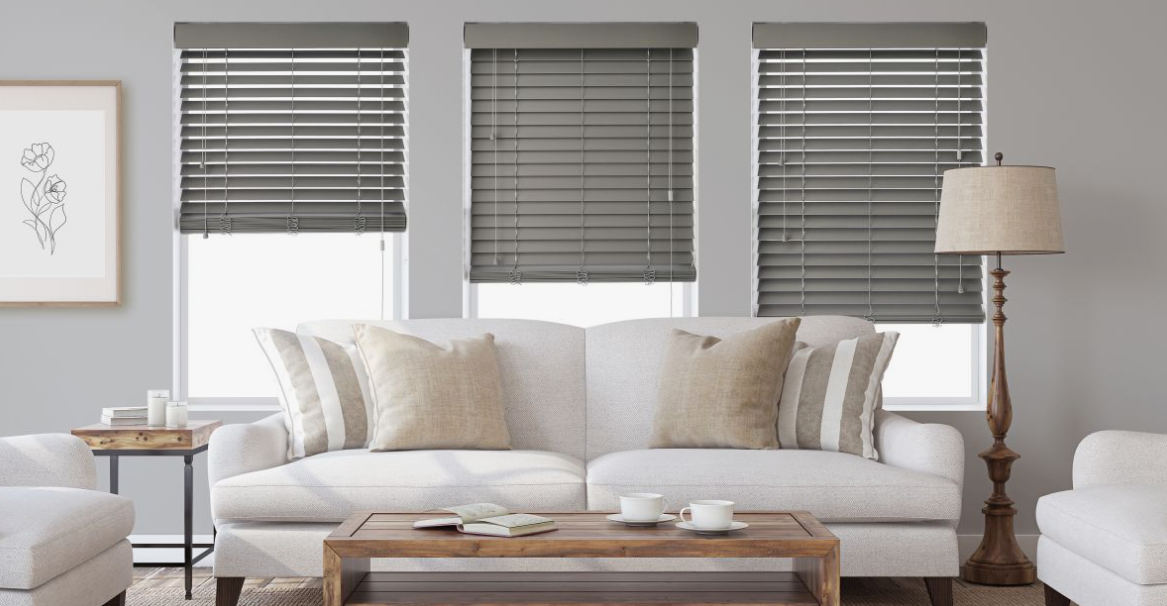
Faux wood blinds Friendswood are a strong pick for rentals. They are sturdier than thin vinyl or aluminum, so they hold up better to tenant use. They resist moisture, which helps in the kitchens and bathrooms of a rental. And they wipe clean easily, which makes turnover between tenants simpler.
Faux wood also looks better than the cheapest blinds, giving a rental a step up in appearance that helps it show well, without the cost of real wood. For a landlord who wants blinds that last and look presentable without a high price, faux wood hits a good balance. They are a common choice for rentals across the board.
Vinyl & Aluminum for Budget
For landlords watching every dollar, vinyl and aluminum blinds cost the least. They cover the window, handle basic light and privacy, and are cheap to replace when a tenant damages them. The trade off is that they bend and wear faster, so you replace them more often.
This can still make sense for lower cost rentals or high turnover units, where cheap and replaceable beats durable and pricey. The move is to match the blind to the property. Budget vinyl for a basic unit, faux wood for a nicer one where appearance helps command rent. Picking based on the property keeps the spending in line with the return.
Go Neutral for Wide Appeal
Color matters for rentals because the blinds have to appeal to a range of tenants. Neutral colors, whites, off whites, and light grays, work with almost any furniture and decor a tenant brings. A neutral covering does not clash with what a renter owns, which helps the unit feel move in ready.
Neutrals also hide their age better than bold colors and coordinate with any wall color, so you are not repainting to match the blinds. For a rental, a clean neutral blind is the safe, flexible choice that appeals to the most renters and keeps the unit looking fresh between tenants.
Consider Cordless for Safety
Cordless blinds are worth considering for rentals, especially since a landlord does not control who moves in. Families with young children and pets are common renters, and corded blinds are a hazard for both. Cordless blinds remove that risk, which can reduce liability concerns and make the unit safer for any tenant.
Cordless blinds also avoid the cord damage that comes with rough use, since there are no cords to fray, tangle, or break. For a landlord, that means fewer damaged blinds between tenants. The safety and durability together make cordless a smart pick for many rentals.
Keeping Costs Down With the Right Fit
While rentals often use ready made blinds for cost, getting the sizing right still matters. Blinds that fit the windows look better and work more smoothly, which helps the unit show well and reduces tenant complaints. Blinds that are the wrong size look sloppy and can annoy tenants.
For landlords with many units or many windows, working with a local team can help get consistent, well fit blinds across a property without overspending. A company like Gulf Coast Blinds & Shutter, which serves the Greater Houston area, can advise landlords on durable, cost effective coverings that fit the windows and appeal to renters. Owner Kim Van Wieren measures and installs each window, which helps a rental’s blinds look clean and work right, keeping tenants satisfied and turnover smooth.
Bringing It Home
The best blinds for rental properties balance durability, cost, and appeal. Faux wood blinds hold up to tenant use, resist moisture, and look presentable, making them a strong all around choice. Vinyl and aluminum cost less and suit budget or high turnover units where cheap and replaceable makes sense. Match the blind to the property to keep spending in line with the return.
Go neutral for wide appeal, since a clean neutral works with any tenant’s decor, and consider cordless for safety and to avoid cord damage. Getting the fit right helps the unit show well and keeps tenants happy, and a local team like Gulf Coast Blinds & Shutter can help landlords across the Houston area pick and fit coverings that last. Choose blinds built for the demands of a rental, and they will hold up through tenants while keeping your units looking clean and renting well.