
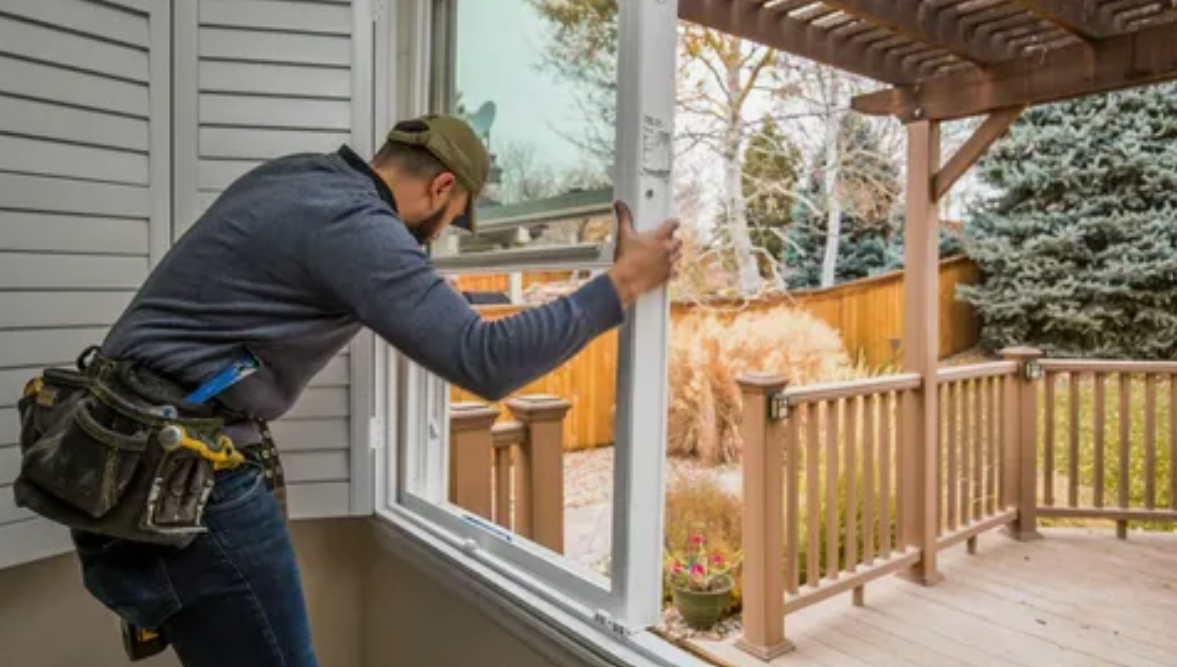
Utility bills are one of those things everyone wants to keep down, especially in a country where winter runs long and heating is expensive. Windows are one of the biggest sources of heat loss in almost any building, and upgrading to energy efficient windows is one of the more effective ways to cut those bills.
Homeowners and property managers often look at the cost of new windows and hesitate. The upfront number is real. But so are the savings, and they add up in ways most people underestimate.
How Much Heat Windows Actually Lose
Windows are the weakest thermal points in most buildings. An insulated wall might have an R-value of 20 or higher. A single pane window has an R-value close to 1. Even old double pane windows perform at maybe R-2 once their seals have failed.
That difference matters. In a house with a couple dozen windows, the total surface area of glass can equal or exceed the area of some walls. All that glass is leaking heat compared to the rest of the building envelope.
The Bill Impact
Natural Resources Canada estimates that windows can be responsible for 25 to 35 percent of a home’s heat loss. In a house with an annual heating bill of 3,000 dollars, that is between 750 and 1,050 dollars going out through the windows alone.
Upgrading to modern energy efficient windows can cut that loss significantly. The exact savings depend on the climate, the old windows being replaced, and the specific new windows installed. Most Canadian homes see reductions of 10 to 25 percent on total heating costs after a Window Replacement Services.
What Makes Modern Windows So Much Better
The technology in modern windows has come a long way. Multiple advances stack together to create a window system that performs at levels that were not possible even fifteen years ago.
Multiple Panes & Inert Gas
Double pane windows have been standard for decades. Triple pane windows are now common, especially in cold climates. The extra layer of glass adds another insulating air space and cuts heat transfer significantly.
Between the panes, argon or krypton gas is used instead of regular air. These gases are denser than air, which slows down the movement of heat across the space. Argon is more common because it costs less. Krypton is used for narrower gaps because it insulates better per inch of space.
Low Emissivity Coatings
Low-E coatings are microscopically thin metallic layers applied to the glass. They reflect infrared heat back to the source, which means heat stays inside in winter and outside in summer. The visual clarity of the glass is almost identical to uncoated glass, but the thermal performance is much better.
Different Low-E coatings are used for different climates. Cold climate coatings let more solar heat in while blocking heat loss outward. Warm climate coatings block more solar heat. For most of Canada, cold climate coatings are the right pick.
Better Frames
The frame around the glass matters as much as the glass itself. Old aluminum frames conducted heat straight through the building envelope. Modern frames use vinyl, fiberglass, wood, or thermally broken aluminum that stops the thermal bridge.
The frame material also affects long term maintenance. Vinyl and fiberglass require almost no upkeep. Wood needs periodic refinishing. Aluminum lasts decades with basic care.
Weatherstripping & Seals
Modern windows have multiple layers of compression seals, magnetic seals, and gaskets that close off air leakage around the operating parts. Old windows relied on simple felt or vinyl strips that wore out quickly. New systems maintain their seal for decades.
The Real World Savings
The savings from energy efficient windows show up in a few different ways. Heating bills drop first and most visibly. Air conditioning costs also fall because the same insulation that keeps heat in during winter keeps heat out during summer.
Comfort Is Part of the Value
Beyond the utility bill, occupants experience the space differently. No more cold spots near the windows in winter. No more overheated rooms with sun beating through the glass in summer. The thermostat can be set lower in winter and higher in summer without anyone feeling the difference, which itself saves energy.
Rebate Programs Make It Cheaper
Federal and provincial programs have offered rebates for energy efficient window installations. The Canada Greener Homes Initiative has covered qualifying upgrades, and several provinces run their own programs on top of that.
Companies that do a lot of window work, like Atlantic Door Repairs in the Halifax area, are often familiar with which programs are currently active and which products qualify. The paperwork can be a bit of a hassle, but the rebate value usually justifies it.
Long Term Payback
Most energy efficient window upgrades pay for themselves through energy savings within 8 to 15 years, depending on the specifics of the project. After that, the savings continue for the life of the windows, which is typically 25 to 30 years or more.
There is also the resale value angle. Homes and commercial properties with modern windows sell faster and command higher prices than comparable properties with old windows. This shows up on the balance sheet even before the utility savings are counted.
When to Upgrade
Windows that show any of the following signs are candidates for upgrade: condensation between the panes, drafts you can feel, sticking or binding operation, visible frame rot or corrosion, or single pane construction in a climate where that no longer makes sense.
Upgrading proactively before old windows fail lets the work happen on the owner’s schedule, at the owner’s chosen pace, and with time to shop for the right products. Waiting until a window breaks or the seals fail entirely means paying emergency rates for what could have been a planned upgrade.
The Numbers Work
Modern windows are one of the few home improvements that pay for themselves and provide daily benefits along the way. Lower bills. Better comfort. Less noise. Higher property value. In a climate as demanding as this one, they are one of the better investments a property owner can make.