Thousands of students from Pakistan, India, and other South Asian countries go abroad every year to become doctors. The MBBS in China has emerged as one of the most popular and practical options for aspiring medical students among many choices. China has emerged as a top destination for international medical education, with top-ranked universities, globally recognized degrees, affordable tuition fees, and modern infrastructure.
Why MBBS in China?
The choice to study MBBS in China is not merely a matter of saving money; it’s about quality education along with international exposure. Chinese medical universities are accredited by the World Health Organization (WHO), the Medical Council of India (MCI/NMC), the Pakistan Medical and Dental Council (PMDC), and other international medical associations. This recognition allows students to sit for licensing exams in their home countries or practice internationally if they pass the qualifying exams.
The low tuition fee structure as compared to private medical colleges of Pakistan or India is another big reason that students choose MBBS in China. While a private medical college back home can cost anywhere from 8 to 15 lakh rupees per year, Chinese universities often charge a fraction of that amount and still offer state-of-the-art laboratories, hospitals, and teaching hospitals for clinical training.
Education and Infrastructure Quality
Chinese universities offering MBBS programs are equipped with modern teaching hospitals, advanced laboratories, digital libraries, and experienced faculty members, many of whom have international teaching and research experience. The curriculum is prepared according to international standards and often taught in English for international students, eliminating the language barrier many students initially worry about.
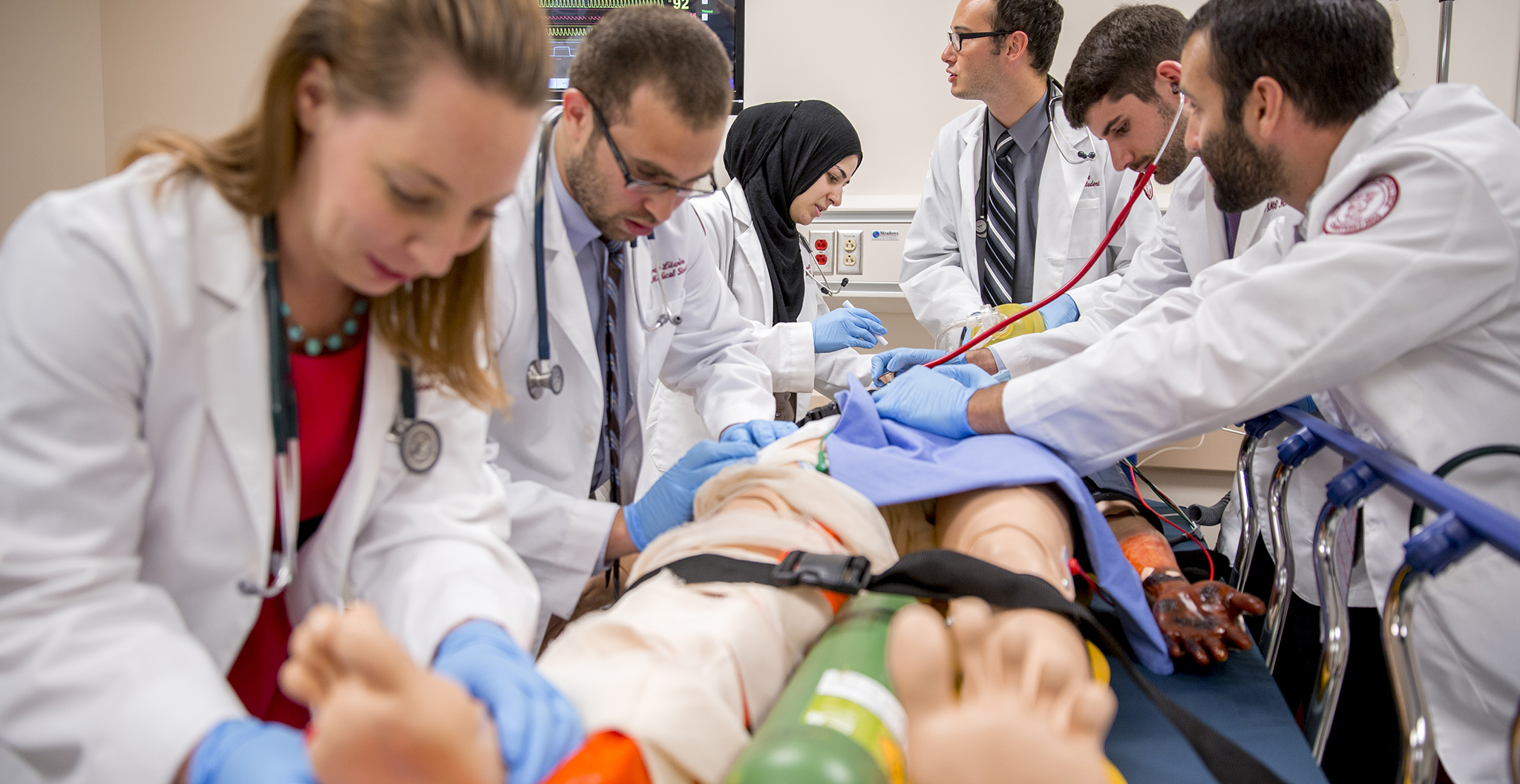
The universities providing MBBS in China also offer practical clinical exposure from an initial stage of the program. Students receive hands-on experience in actual hospital settings, which helps them develop their diagnostic and treatment skills long before they graduate. This practical method makes the graduates more confident and better prepared for licensing exams and future medical careers.
Use and Requirements
MBBS in China Admission Process The MBBS admission process in China is relatively easier and more transparent than the highly competitive entrance exams required in many home countries. Generally, the basic requirements are:
- Completion of higher secondary education (F.Sc. Pre-Medical or equivalent) with good marks in Biology, Chemistry, and Physics
- A valid passport
(in some cases) Passing an entrance test or interview conducted by the university
Minimum Age Requirement: 18 years or older
Some countries have only one entrance examination to get admission, but many Chinese universities assess students by their academic record, so the process is less stressful and more accessible for real students who may not have achieved the best marks in a single test.
Length and Language of Study
The duration of a China MBBS degree is 5-6 years depending on the university and if an extra year is dedicated to preparing for the language. Those students who opt for the English medium programs generally complete the degree in five years, followed by a compulsory internship period. Some students also opt to learn Mandarin alongside their studies, as it helps them communicate more easily with patients during clinical rotations and offers future career opportunities in the form of internships and even employment in China.
Lifestyle and Cost of Living
The overall cost of living for a student studying MBBS in China, apart from tuition fees, is much lower than that of Western countries like the UK, USA, or Australia. Accommodation, food, and transport are cheap, and most universities have hostels on campus with basic amenities. The growing international student community in China also means that Pakistani and Indian students frequently find cultural associations, food options, and peer support systems that make settling in easier.
Recognition and Job Prospects
One of the most common questions students ask when they think of studying MBBS in China is the value and recognition of the degree after graduation. The good news is that most reputable Chinese medical universities are listed in the World Directory of Medical Schools, which is crucial to practicing medicine worldwide. After graduation, students generally need to pass a licensing exam like the NMC screening test (for Indian students) or PMDC/PLAB equivalent exams (for Pakistani students) to practice in their respective countries.
MBBS graduates in China have not only built successful careers in their home countries but also in the Middle East, Europe, and even in China itself, especially those who have acquired good Mandarin language skills along with their medical education.
Things to Consider Before You Apply
The opportunities are promising, but students should do their homework on universities before applying. Not all MBBS colleges in China are of the same level of recognition or teaching quality. The following is important to do:
- Check the accreditation of the university and WHO/NMC listing
- Verify if the program is taught in English or requires competence in Mandarin.
- Tuition fees, scholarship opportunities and living cost comparisons
- Discover internship and practical training options
- Read reviews or talk to current students if you can
Likewise, if you’re working with a consultant or an agency that’s helping you, make sure you’re choosing the right one. Some agents may make outlandish promises, and they won’t give you an accurate picture of university rankings or recognition status.
Conclusion
MBBS in China is a real and rewarding option for students who want to be doctors but have financial or academic difficulties in their homes. With world-class universities, affordable fees, quality infrastructure, and excellent career prospects, it is no wonder that more and more students are choosing China as their gateway to becoming successful doctors. As is the case with any major life decision, thorough research and careful planning are essential, but for many, MBBS in China has served as the stepping stone to a rewarding medical career.