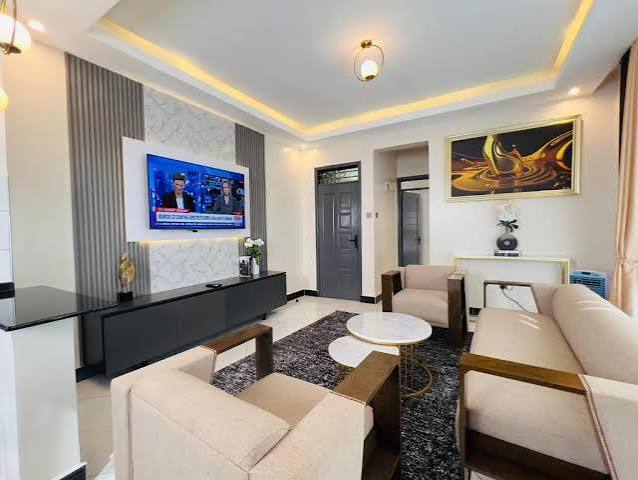
Kampala’s skyline has changed more in the last decade than in the previous fifty years combined. Where bungalows once dominated leafy suburbs like Bukoto, Kololo, and Kisaasi, gated condominium blocks now rise alongside them — complete with elevators, rooftop terraces, and 24-hour power backup. For anyone searching for apartments for sale in Kampala, that shift matters. It means more choice, but also more homework before you sign anything.
This guide walks through what actually determines whether an apartment purchase in Kampala turns out well: where to buy, what to budget, which paperwork protects you, and which red flags should make you walk away.
Why Apartment Living Is Growing in Kampala
Three forces are pushing Kampala’s property market toward apartments rather than standalone houses.
Land scarcity in central neighborhoods. Prime areas like Kololo, Naguru, and Bukoto have limited remaining plots. Vertical development is often the only way to add new housing stock in locations that are already well served by roads, schools, and hospitals.
Security and shared services. A gated apartment complex with a dedicated security detail, perimeter wall, and controlled access point is harder to replicate in a standalone home without significant personal cost. Buyers increasingly value that a management company, not just an individual homeowner, is responsible for security, common-area maintenance, and utilities like backup generators and water storage.
Diaspora and investment demand. Ugandans living abroad frequently prefer apartments because they require less hands-on management than a house and garden. A unit in a managed development can be locked up and left for months without the maintenance headaches of an unattended house.
Best Neighborhoods for Apartments in Kampala
Location drives both price and lifestyle. Here’s how the main areas compare.
- Kololo – Kampala’s most prestigious address, close to embassies, international schools, and the central business district. Expect premium pricing and smart-home features like building automation and access control.
- Bukoto – A strong middle ground: leafy, quiet, and close to Kisementi’s restaurants and shops, with a growing number of mid- and high-rise developments offering swimming pools, gyms, and jogging tracks.
- Kisaasi – Popular with young professionals and families for its accessibility off the Northern Bypass, retail at ground level, and relatively competitive per-square-metre pricing.
- Naguru – Another established, secure suburb with hilltop views over the city, generally priced similarly to Kololo and Bukoto.
- Muyenga and Kansanga – Slightly further from the centre but offer larger units and, in some cases, better value per square metre.
If your priority is walkability to the CBD, weight Kololo and Naguru more heavily. If you want space and value with a reasonable commute, Kisaasi and Bukoto are usually the better search.
What Does an Apartment in Kampala Actually Cost?
Pricing varies widely by size, finish, and neighborhood, but as a rough guide in 2026:
| Unit Type | Typical Price Range |
|---|---|
| 2-bedroom, mid-range suburb | UGX 240M – 300M |
| 3-bedroom, mid-range suburb | UGX 300M – 400M |
| 3-bedroom, premium location (e.g. Kololo) | USD 200,000 – 300,000 |
| Furnished/serviced units | 15–30% premium over unfurnished equivalents |
Two-bedroom units in areas like Kisaasi and Bukoto tend to sell fastest, largely because they hit the sweet spot for both young families and buy-to-let investors targeting the rental market.
Financing an Apartment Purchase
Very few buyers pay 100% cash upfront. The two common routes are:
- Developer payment plans — many developers allow a deposit (commonly 20–30%) followed by staged payments tied to construction milestones or a fixed installment schedule over 12–24 months.
- Bank mortgages — several Ugandan banks offer mortgage products for completed or near-complete units, usually requiring a down payment of 20–30% and proof of stable income. Developers with established banking partnerships can often speed up this process because the property has already been assessed and approved by the lender.
Whichever route you choose, get the full payment schedule in writing before you commit, including what happens if a construction milestone is delayed.
The Legal Checklist: Don’t Skip This Part
This is where most costly mistakes happen, and it’s the single most important section of this guide.
1. Verify the land title. Before any money changes hands, confirm the title is genuine and that the seller or developer is the registered owner (or has clear authority to sell) at the Uganda Land Registry / Ministry of Lands search office. A search costs little and can save you from buying into a disputed or fraudulently sold plot.
2. Confirm the tenure type. Uganda has freehold, leasehold, and mailo land. Each carries different rights and renewal obligations — leasehold land, for instance, has an expiry date that affects long-term value and mortgage eligibility.
3. Check for a valid condominium plan. For apartment purchases specifically, the development should be registered as a condominium under the Condominium Property Act, with an individual unit title (or a clear pathway to one) rather than an undivided share in the whole property.
Read more here
4. Review the sale agreement carefully. It should specify the exact unit, price, payment schedule, handover date, penalties for delay on either side, and what’s included (fittings, parking, storage).
5. Understand service charges. Ask what the monthly or annual condominium service charge covers — security, generator fuel, common-area cleaning, lift maintenance, water — and get a sense of how it’s likely to change once the development is fully occupied.
6. Use an independent lawyer. A lawyer who works for you, not the developer, should review the title and contract before you pay a deposit. This is a small cost relative to the size of the purchase and is standard practice for property transactions of this size anywhere in the world.
Red Flags to Watch For
- A seller or agent who pressures you to pay before you’ve seen a title search
- Prices significantly below market rate with no clear explanation
- Reluctance to put the payment plan or handover date in writing
- No physical show unit or completed phase you can inspect
- Vague answers about who manages the property after handover and what the service charge structure looks like
Choosing a Developer You Can Trust
Because much of Kampala’s apartment stock is sold off-plan or during construction, the developer’s track record matters as much as the unit itself. Look for:
- Completed, occupied projects you can visit and speak to current residents about
- Transparent pricing and payment plans published upfront rather than negotiated case-by-case
- Established relationships with banks for mortgage financing
- Clear post-handover management arrangements for security, maintenance, and service charges
Mint Homes Ltd, based at Regency Plaza in Kampala, is one example of a developer with a decade of experience delivering condominium projects across Bukoto, Kololo, and Kisaasi, including Garden Towers, Kisaasi Heights, and Smart Apartments. Developments like these are worth using as a benchmark when comparing amenities, unit sizes, and payment terms across the market — the full listing of current apartments for sale in Kampala is a useful starting point for gauging current pricing and availability.
Final Thoughts
Buying an apartment in Kampala is no longer a niche choice — it’s becoming the default for buyers who want security, shared amenities, and a lower-maintenance lifestyle in the city’s best neighborhoods. The market rewards buyers who do their homework: verify the title, read the contract line by line, understand the service charges, and choose a developer with a visible, completed track record. Get those fundamentals right, and an apartment purchase in Kampala can be one of the more straightforward property investments in East Africa.