Understanding the mechanisms of joint regeneration is a primary concern for individuals experiencing knee discomfort. Among the emerging therapies in regenerative medicine, Platelet-Rich Plasma (PRP) has garnered significant attention for its biological approach to tissue health. Many patients looking for PRP injections for knees Abu Dhabi often ask whether this procedure can physically repair damaged cartilage. To answer this, one must look at how PRP interacts with the knee joint environment and what scientific consensus suggests regarding its capacity for cartilage modulation.
- This section introduces the growing interest in regenerative therapies for joint health.
- It frames the inquiry around the biological potential of PRP to address cartilage concerns.
- It sets the stage for a technical exploration of joint biology and platelet-derived growth factors.
The Biological Foundation of PRP Therapy
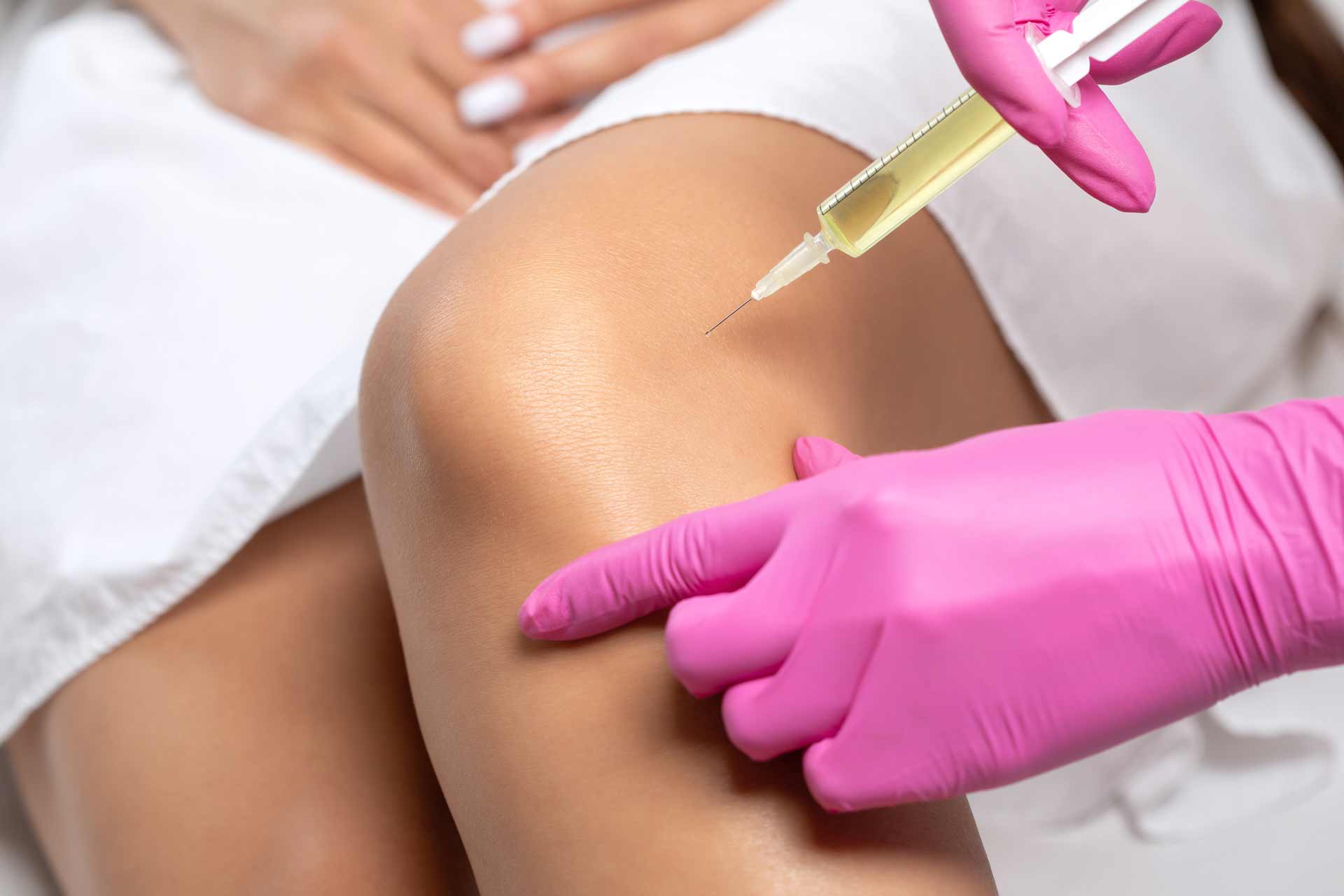
At its core, PRP therapy utilizes the body’s natural healing potential. Blood is composed of various cells, including platelets, which are essential for clotting and, more importantly, for releasing growth factors during injury. In a clinical setting, a sample of the patient’s blood is processed to concentrate these platelets, which are then introduced into the knee joint. These platelets release proteins such as Transforming Growth Factor-beta (TGF-$\beta$) and Platelet-Derived Growth Factor (PDGF). These molecules are signaling agents that communicate with surrounding cells to orchestrate a repair response.
- Explains the preparation and concentration process of platelet-rich plasma.
- Highlights the role of growth factors like TGF-$\beta$ and PDGF in cellular signaling.
- Defines the foundational concept of using autologous blood components for therapeutic signaling.
Can PRP Truly Repair Cartilage?
The question of whether PRP “repairs” cartilage requires a nuanced understanding of joint biology. True hyaline cartilage, the smooth surface that cushions our joints, has very limited self-repair capabilities due to its lack of blood vessels. When we discuss PRP in this context, the focus shifts from “regrowing” thick cartilage to modifying the joint environment. Research suggests that PRP may help by reducing the inflammatory markers that degrade existing cartilage and by stimulating chondrocytes—the cells responsible for maintaining the cartilage matrix—to produce extracellular components that strengthen the existing structure.
- Clarifies the biological limitations of hyaline cartilage regarding self-repair.
- Differentiates between “regeneration” and “environmental modulation” within the joint.
- Explains how PRP encourages chondrocytes to preserve existing joint surfaces.
Mechanisms of Action Within the Joint Space
To understand how this therapy functions, one must examine the intra-articular environment. Chronic knee issues are often accompanied by “synovitis,” or inflammation of the joint lining, which creates a hostile environment for cartilage cells. PRP helps by modulating the cytokine profile in the knee. By shifting the balance from inflammatory catabolic pathways to anabolic (building) pathways, the treatment creates a favorable space where the remaining healthy tissue can function more efficiently. This biochemical shift is the primary reason why patients notice a change in their comfort levels.
- Describes the role of the synovial environment in cartilage health.
- Explains the shift from catabolic to anabolic pathways triggered by growth factors.
- Provides insight into how biochemical changes contribute to functional improvement.
The Role of Growth Factors in Tissue Homeostasis
Growth factors are the primary “engineers” of tissue maintenance. When injected into the knee, they don’t just act in isolation; they initiate a cascade of interactions. These factors help to recruit stem cells to the site of interest and encourage the production of collagen, a vital structural protein. By maintaining homeostasis—the state of steady internal conditions—PRP helps to slow down the progressive degradation that characterizes many joint issues. It is essentially about optimizing the internal environment so that the knee can sustain itself better over time.
- Discusses the recruitment of reparative cells to the joint area.
- Details the synthesis of collagen and other structural proteins supported by growth factors.
- Emphasizes the concept of homeostasis in long-term joint sustainability.
Distinguishing Between Symptom Relief and Structural Restoration
It is essential to distinguish between the clinical feeling of improvement and the structural change in tissue. Many people report feeling better, with improved range of motion and reduced stiffness, shortly after the intervention. However, structural restoration—the physical thickening of cartilage visible on imaging—is a much more complex and slower process. While PRP is highly effective at managing the functional aspects of knee health and improving quality of life, it is generally viewed as a biological intervention meant to support and protect the joint rather than a procedure that replaces lost tissue.
- Addresses the common misconception regarding immediate structural regrowth.
- Highlights the distinction between clinical functional improvement and physical tissue change.
- Frames PRP as a supportive, protective, and functional therapeutic intervention.
Integrating PRP into a Long-Term Knee Health Strategy
Achieving the best results with PRP often involves a holistic approach. The knee does not exist in isolation; it relies on the surrounding musculature, alignment, and mechanical loading patterns. Therefore, most successful protocols involve combining biological therapies with targeted exercises. Strengthening the quadriceps, hamstrings, and glutes ensures that the forces passing through the knee joint are properly distributed. By stabilizing the joint mechanically while using PRP to support it biologically, individuals can often maintain a higher level of function than they could with either approach alone.
- Advocates for a multi-modal approach to joint health.
- Stresses the importance of physical therapy and musculature support alongside biological treatment.
- Explains how joint mechanics influence the effectiveness of PRP therapy.
Future Directions in Regenerative Joint Research
The field of orthobiologics is evolving rapidly. Researchers are currently investigating ways to enhance the potency of PRP, including the use of leukocyte-rich versus leukocyte-poor preparations and the addition of scaffolds that could provide a physical structure for tissue development. As science progresses, our understanding of how to tailor these injections to specific patient profiles is improving. The goal is to move toward a more personalized model where the composition of the injection is optimized based on the specific biological needs of the individual’s joint.
- Discusses ongoing innovation in the preparation and delivery of PRP.
- Mentions the investigation into scaffolds and advanced biological additives.
- Highlights the transition toward personalized regenerative medicine.
Conclusion
The question of whether PRP can repair cartilage is complex, but the data suggest that it serves a vital role in joint preservation. By creating a supportive biochemical environment and encouraging the body’s natural maintenance processes, PRP acts as a bridge between conservative management and more invasive procedures. While it may not instantly regrow lost cartilage, its ability to shift the joint from an inflammatory state to a regenerative one makes it a valuable tool in the modern approach to joint health.
- Summarizes the key findings regarding PRP and joint biology.
- Reiterates the role of PRP as a supportive and protective therapeutic strategy.
- Concludes with a forward-looking perspective on the value of biological joint management.
Frequently Asked Questions
1. How does the body respond to PRP injections?
The body recognizes the concentrated growth factors as a signal to initiate repair. These factors stimulate local cells to reduce inflammation and stabilize the tissue matrix, promoting an environment that is more conducive to healthy joint function.
2. Is there a specific timeframe for seeing results?
Results vary significantly based on the individual’s baseline joint health and activity levels. Many individuals begin to notice changes in joint comfort within a few weeks, with the full benefits of the biological signaling process developing over several months.
3. Can this therapy be used for all types of knee concerns?
PRP is generally applied to various forms of joint discomfort, particularly those related to wear and tear. A professional consultation is necessary to determine if the specific nature of a knee concern is a suitable candidate for this type of biological intervention.
4. What is the difference between PRP and other joint injections?
Unlike treatments that act primarily as lubricants or anti-inflammatory agents, PRP is an autologous therapy that uses the patient’s own biological signaling proteins to influence the cellular activity within the joint, aiming for a more holistic approach to tissue health.
5. How many sessions are typically required?
The frequency and number of sessions depend on the individual’s response to the treatment and the severity of their knee health concerns. It is common to follow a personalized protocol that may involve a series of sessions to achieve the desired functional goals.