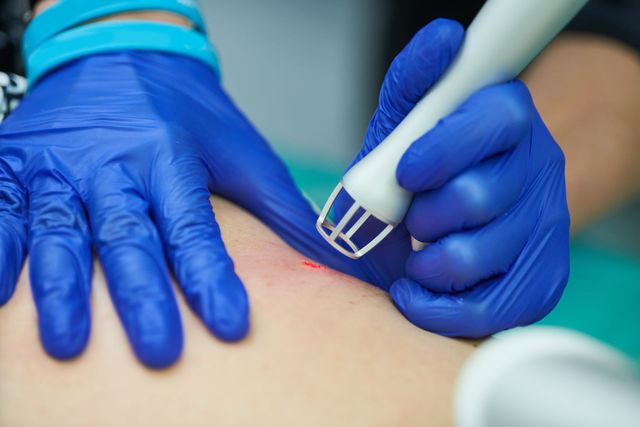
Scar tissue often remains as a persistent reminder of past injuries, surgeries, or inflammatory skin conditions like acne. For many, seeking advanced dermatological interventions is the primary way to manage these visible markers. Laser Scar Removal in Abu Dhabi has emerged as a sophisticated method for those looking to improve the texture, tone, and overall appearance of their skin.
- Laser technology provides a non-invasive way to remodel damaged skin tissue.
- The primary goal of these treatments is to blend scarred areas more seamlessly with surrounding healthy skin.
- Modern advancements allow for highly targeted approaches based on specific scar types and individual skin characteristics.
- Understanding the mechanics and expectations of this therapy is essential for anyone considering it.
The Science Behind Laser Skin Remodeling
At its core, laser therapy for scars relies on the principles of photothermal energy. When concentrated light beams are directed at the skin, they interact with the structural components of the dermis, such as collagen and elastin. By precisely targeting these layers, the light energy encourages the body’s natural healing response, which involves breaking down old, disorganized collagen fibers and stimulating the production of new, healthier ones.
- Ablative lasers work by vaporizing the outer layers of the skin to trigger a significant regenerative response.
- Non-ablative lasers penetrate the skin’s surface without removing it, focusing instead on heating the underlying tissue to stimulate collagen growth.
- Fractional technology is a common approach that treats only microscopic columns of skin, leaving the surrounding tissue intact to facilitate faster healing.
- By remodeling the collagen matrix, the skin regains a more uniform texture and smoother surface over time.
Types of Scars Targeted by Laser Therapy
Not all scars are identical, and effective treatment requires a clear understanding of the scar’s nature. Dermatologists categorize scars based on their formation and appearance, which dictates the type of laser used. Common types include atrophic scars (often resulting from acne or chickenpox), hypertrophic scars (raised and firm), and surgical marks.
- Acne scars, which often appear as deep pits or indentations, respond well to treatments that lift and smooth the skin.
- Hypertrophic scars benefit from lasers that reduce excessive thickness and improve pliability, allowing for better movement around joints.
- Discolored scars—whether red from active blood vessels or dark from pigment—are often managed with specific wavelengths that target hemoglobin or melanin.
- The versatility of current laser platforms allows them to address a spectrum of concerns, from minor surface irregularities to more complex, deep-set tissue damage.
How the Procedure Works
The process of receiving laser therapy is structured to ensure precision and patient comfort. Before the procedure begins, the area is typically cleansed, and a topical anesthetic or cooling gel is applied to minimize sensitivity. During the session, the specialist uses a handheld device to deliver controlled pulses of light across the treatment site.
- Sessions usually last between twenty and thirty minutes, depending on the size and location of the area being treated.
- The feeling of the laser is often described as a snapping sensation or a slight warming of the skin.
- Post-treatment, the skin may appear slightly reddened or swollen, similar to a mild sunburn, which is a normal sign of the healing process.
- A comprehensive approach often involves a series of sessions spaced several weeks apart to allow the skin to heal and produce new collagen between visits.
Achieving Long-Term Results and Expectations
Managing expectations is a critical part of the journey toward skin improvement. While laser technology can produce transformative results, it is important to recognize that it does not “remove” a scar entirely. Instead, the goal is to make the scar significantly less visible and more harmonious with the surrounding skin.
- The effectiveness of the treatment is highly dependent on the type of laser used and the expertise of the individual performing it.
- Multiple sessions are typically required to reach an optimal outcome, as results accumulate over time.
- Adhering to post-treatment care instructions, such as strict sun protection and the use of recommended soothing topicals, is vital for a successful recovery.
- Patience is key, as the full benefits of the collagen remodeling process can take several months to become fully apparent.
Frequently Asked Questions
Is laser scar treatment suitable for all skin types?
Advancements in laser technology have made it possible to treat a wider range of skin tones than ever before. However, the choice of laser is critical. Some wavelengths are safer for lighter skin, while others, such as Nd: YAG, are often preferred for deeper skin tones to minimize the risk of pigmentation changes. A professional assessment is necessary to determine the best approach for your specific skin type.
How many sessions are generally required to see results?
While some individuals notice a subtle improvement after a single session, most people require a series of three to six treatments to see significant progress. The exact number of sessions depends on the depth and age of the scar, as well as how your skin responds to the stimulation of new collagen production.
Can laser therapy treat very old scars?
Yes, laser therapy can be effective on older scars. While newer, “active” scars often show faster response times, chronic or mature scars can still be resurfaced and remodeled to improve their texture and color. It may simply take a more consistent series of treatments to break down the dense, long-standing scar tissue.
What should I avoid after a laser session?
The skin is particularly sensitive during the initial healing phase. It is essential to avoid direct sun exposure, which can lead to further discoloration or damage. Additionally, you should steer clear of harsh skincare products—such as retinoids, exfoliating acids, or fragranced lotions—until the skin has fully healed, as these can cause significant irritation.