
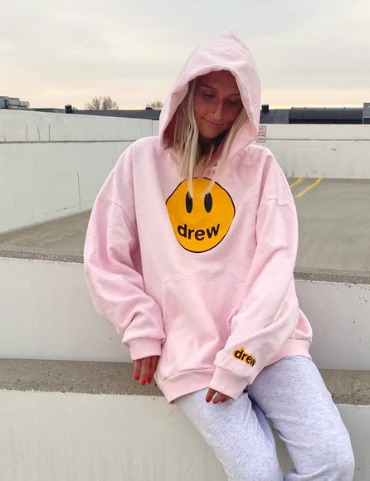
Drew House is more than just a clothing brand; it’s a cultural phenomenon that has taken the fashion world by storm. Founded by pop superstar Justin Bieber, this line of streetwear quickly gained traction among fans and fashion enthusiasts alike. With its signature hoodies and laid-back aesthetic, Drew House represents a lifestyle that many aspire to embody.
But beneath the surface of this trendy label lies a darker reality—one rooted in the fast fashion industry. As consumers eagerly snap up Drew House pieces, we must consider the broader implications of our shopping habits. What does it mean for our planet? How are workers affected? And what about the influence of cultural appropriation within these designs?
As we explore these pressing questions surrounding Drew House, it’s essential to rethink what it means to shop responsibly in today’s rapidly changing fashion landscape. Let’s dive deeper into both the allure and consequences of this popular brand.
Drew House and its Founder, Justin Bieber
Drew House burst onto the fashion scene, fueled by the star power of Justin Bieber. Launched in 2019, this brand reflects Bieber’s personal style and his vision for comfortable streetwear.
The line is characterized by playful colors and unique graphics inspired by nostalgia. Each piece resonates with fans who admire not just the aesthetic but also the lifestyle that comes with it.
Bieber’s influence extends beyond music; he has become a cultural icon who shapes trends. Drew House embodies his ethos—a blend of casual chic and laid-back vibes designed for everyday wear.
As a celebrity founder, he brings authenticity to the brand while tapping into a market hungry for individuality. However, this rapid rise raises questions about sustainability and ethical production practices that often accompany fast fashion brands like Drew House.
The Fast Fashion Industry and Its Impact on the Drew House Environment
The fast fashion industry thrives on speed and mass production. Drew House, with its trendy aesthetics, is no exception in this relentless cycle. The rapid turnover of collections encourages consumers to buy more than they need.
This constant demand puts immense pressure on resources. Water usage skyrockets while pollution from dyeing processes contaminates local ecosystems. The environment suffers as landfills overflow with discarded garments that were once coveted.
Additionally, synthetic materials used in clothing contribute to microplastic pollution in oceans. Wildlife habitats are disrupted due to unregulated manufacturing practices.
Sustainability often takes a backseat when brands prioritize profit over the planet’s health. As Drew House grows, so do its environmental implications—an issue we cannot ignore amidst our love for fashion trends.
The Negative Consequences of Drew Hoodie Fast Fashion for Workers
Fast fashion often sacrifices ethics for profit, and Drew House is no exception. Workers in the apparel industry face numerous challenges that come with mass production.
Many are subjected to low wages, long hours, and unsafe working conditions. The pursuit of quick turnarounds means corners are cut, affecting both quality and worker well-being.
In many cases, these laborers work in factories far from the public eye. They contribute significantly to creating trendy pieces like Drew hoodie yet receive little recognition or fair compensation for their efforts.
Moreover, job security is minimal. As trends shift rapidly within the fast fashion cycle, workers find themselves caught in a relentless churn of demand without stable employment options.
Such realities highlight an urgent need for awareness about who really pays the price for our favorite styles. Behind every hoodie might be stories of struggle that deserve attention.
Cultural Appropriation in Drew Hoodie Designs
Drew House has captured the attention of fashion enthusiasts worldwide. However, its designs raise questions about cultural appropriation.
Many patterns and motifs featured in Drew Hoodie collections draw inspiration from various cultures. While blending styles can be creative, it often overlooks the significance behind those elements. This practice risks trivializing rich traditions that deserve respect.
For instance, indigenous symbols or specific cultural references may appear on a hoodie without context or understanding of their origins. Such actions can lead to misrepresentation and perpetuate stereotypes.
Fans of the brand might appreciate the aesthetic appeal but could remain unaware of its implications. Engaging with these pieces requires deeper reflection on what they represent beyond mere fashion statements.
As consumers, recognizing this impact is essential for fostering responsible fashion choices that honor rather than appropriate cultures.
Alternative Sustainable Drew House Pants Fashion Brands
As consumers become more conscious of their fashion choices, numerous brands are stepping up to offer sustainable alternatives to Drew House. These companies prioritize eco-friendly materials and ethical production practices.
One standout is Reformation. This brand focuses on sustainable fabrics while maintaining trendy designs. They empower customers by providing transparency about their manufacturing processes.
Another innovative option is Patagonia. Known for its commitment to environmental responsibility, they create durable clothing that lasts beyond seasonal trends. Their mission resonates with an audience seeking both style and sustainability.
Everlane also makes strides in this arena, emphasizing radical transparency in pricing and sourcing. Their minimalist aesthetic offers a chic yet responsible wardrobe choice.
These brands highlight that you can enjoy stylish pants without compromising your values or the planet’s health. It’s encouraging to see the fashion industry slowly shifting toward more responsible practices.
Why We Drew House Pants Need to Rethink Our Shopping Habits
As consumers, we hold the power to influence trends and demand change. The rise of Drew House has brought fast fashion into the spotlight, but with it comes a responsibility we must acknowledge. Fast fashion often prioritizes profit over sustainable practices, leading us down a path that harms both people and the planet.
Rethinking our shopping habits starts with awareness. It requires an understanding of where our clothes come from and how they’re made. When we choose brands like Drew House Pants without considering their impact, we’re supporting a cycle that can be detrimental.
Consider opting for brands that prioritize ethical production methods and sustainability. Look for transparency in supply chains, quality materials, and fair labor practices. Each purchase is an opportunity to make choices aligned with values beyond mere aesthetics.
By embracing conscious consumption, we can foster a market that supports ethical standards while still enjoying stylish clothing options. It’s time to shift perspectives—fashion should not come at such high costs to individuals or communities involved in its creation.
Let’s take charge of our wardrobes by nurturing more thoughtful relationships with what we wear. Our buying decisions shape industries; let’s ensure they’re contributing positively rather than perpetuating harm.