The United Arab Emirates has become a global hub for business, logistics, tourism, and infrastructure development. With expanding smart cities, world-class airports, major seaports, industrial zones, and government facilities, ensuring secure vehicle access has become a vital part of national and organizational security strategies. As vehicle traffic continues to increase, organizations need inspection technologies that deliver both robust protection and efficient operations.
As a trusted supplier of advanced License Plate Recognition (LPR) systems, Commport Technologies provides intelligent vehicle inspection solutions that help organizations improve perimeter security through automation, real-time monitoring, and advanced vehicle identification. By integrating under vehicle inspection with LPR technology, security teams can identify potential threats faster, streamline checkpoint operations, and strengthen access control without creating unnecessary delays.
Advanced vehicle inspection is becoming an essential investment for organizations across the UAE that want to protect people, assets, and critical infrastructure while maintaining operational excellence.
Why Vehicle Inspection Is Critical in the UAE
Facilities across the UAE manage thousands of vehicle movements every day. Government buildings, airports, ports, logistics hubs, industrial parks, energy facilities, and commercial developments must verify every vehicle entering their premises while ensuring business operations continue without interruption.
Modern security teams face challenges including:
- Unauthorized vehicle access
- Concealed contraband or prohibited items
- Vehicle-borne security threats
- Heavy traffic volumes at checkpoints
- Pressure to reduce waiting times
- Increasing compliance and security requirements
Meeting these demands requires inspection technologies that provide greater visibility, faster processing, and more consistent security procedures than traditional methods.
Limitations of Conventional Vehicle Checks
Manual inspections continue to play an important role in security operations, but they have significant limitations when handling high-volume traffic and evolving threats.
Human Error
Security personnel must inspect numerous vehicles during every shift. Fatigue, distractions, and time pressure can affect inspection quality and increase the likelihood of overlooked risks.
Limited Visibility
Vehicle undercarriages and concealed compartments are difficult to examine thoroughly without specialized imaging equipment, creating potential security blind spots.
Operational Delays
Manual inspections often require vehicles to stop for extended periods, causing congestion at entrances and affecting facility productivity.
Inconsistent Inspection Standards
Different officers may follow different inspection procedures, leading to inconsistent security outcomes.
Modern vehicle inspection technologies help eliminate these limitations through intelligent automation and standardized inspection processes.
The Role of Under Vehicle Inspection
One of the most important components of modern vehicle security is inspecting the underside of every vehicle entering a protected site.
The undercarriage can conceal suspicious devices, unauthorized modifications, hidden packages, or prohibited materials that may not be visible during standard visual inspections.
Advanced under vehicle inspection systems use high-resolution imaging technology to automatically capture detailed images as vehicles pass through designated inspection areas.
These systems help security teams:
- Detect concealed objects
- Identify structural modifications
- Compare inspection images with historical records
- Eliminate undercarriage blind spots
- Improve inspection accuracy
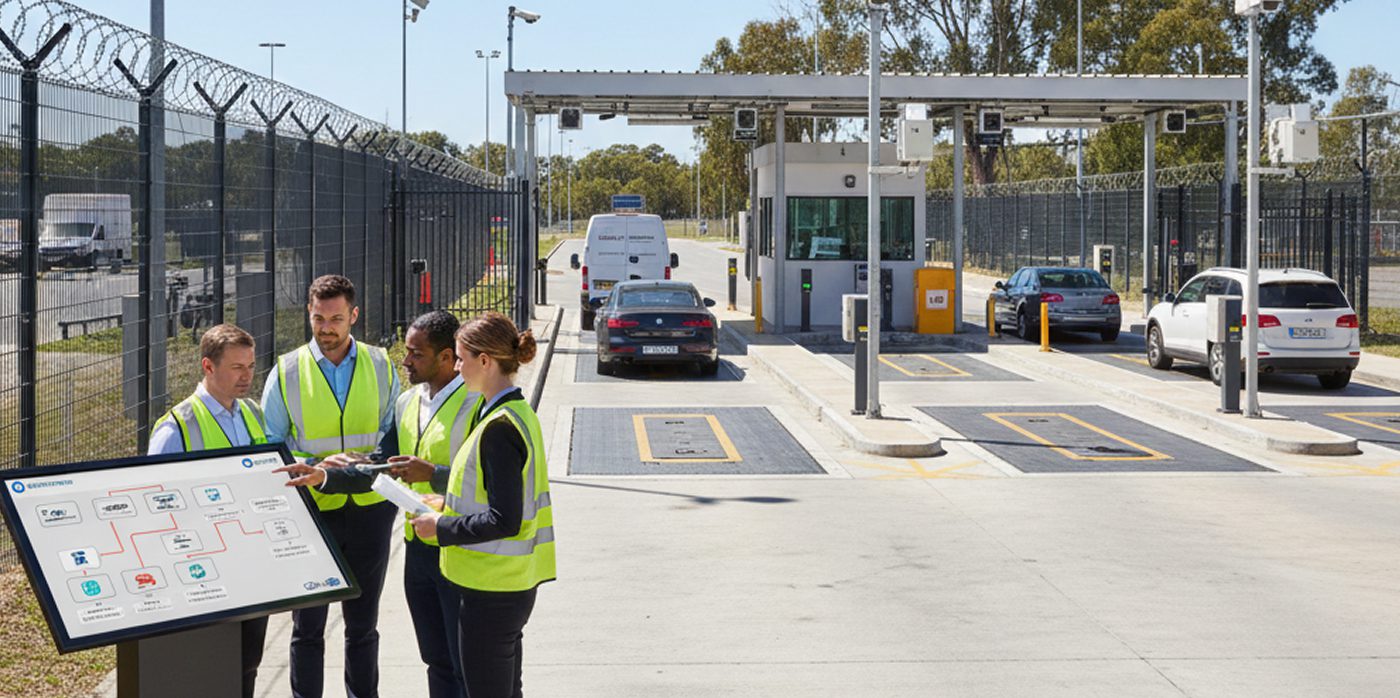
Many organizations have adopted an under vehicle surveillance system in UAE to strengthen checkpoint security and improve threat detection across sensitive facilities. These systems enable comprehensive inspections without interrupting vehicle flow, allowing security personnel to maintain high standards while supporting operational efficiency.
How LPR Integrates With Vehicle Inspection Systems
License Plate Recognition technology adds another layer of intelligence by automatically identifying vehicles before they enter secure areas.
When integrated with under vehicle inspection systems, LPR creates a complete vehicle screening solution.
Automatic Vehicle Identification
LPR cameras instantly capture and process license plate information without requiring manual input.
This reduces administrative workload while accelerating vehicle processing.
Intelligent Access Verification
Vehicle information is automatically compared against authorized access databases.
Approved vehicles can enter efficiently, while unauthorized or unknown vehicles are directed for additional inspection.
Watchlist Monitoring
LPR systems continuously compare license plates against security watchlists and restricted vehicle databases.
If a match is detected, operators receive immediate alerts that allow rapid intervention.
Centralized Security Records
Combining LPR with vehicle inspection systems creates detailed digital records containing:
- License plate information
- Entry and exit timestamps
- Under vehicle inspection images
- Inspection results
- Security alerts
- Vehicle access history
These records support compliance, investigations, and long-term security management.
Benefits of Advanced Vehicle Inspection
Faster Threat Detection
Automated inspection technologies identify potential threats in seconds, enabling quicker security responses.
Improved Inspection Accuracy
Advanced imaging and intelligent analysis reduce the possibility of hidden threats being overlooked.
Greater Operational Efficiency
Facilities can process higher vehicle volumes without compromising security or creating unnecessary congestion.
Consistent Screening Procedures
Every vehicle receives the same comprehensive inspection regardless of traffic levels or staffing conditions.
Better Resource Utilization
Automation reduces repetitive tasks, allowing security personnel to focus on responding to high-priority incidents.
Applications Across Key Industries
Critical Infrastructure
Power generation facilities, utility providers, telecommunications centers, and water treatment plants rely on intelligent vehicle inspection to safeguard essential services.
Government Facilities
Government ministries, military installations, embassies, and border checkpoints use advanced vehicle inspection technologies to strengthen perimeter protection and improve access control.
Industrial Facilities
Manufacturing plants, oil and gas operations, free zones, and industrial complexes depend on automated vehicle inspections to protect employees, equipment, and production processes.
Logistics and Distribution Centers
Logistics operators use intelligent screening systems to secure supply chains while maintaining efficient movement of freight vehicles.
Airports
Airports benefit from automated vehicle inspection that strengthens security for service vehicles, contractors, and employee transportation without affecting airport operations.
Ports and Maritime Facilities
Ports use intelligent vehicle inspection technologies to protect cargo operations, monitor vehicle access, and strengthen border security.
Commercial Properties
Corporate headquarters, financial institutions, technology parks, hotels, hospitals, and retail developments improve visitor management and reduce security risks through intelligent vehicle screening.
The Future of Vehicle Inspection in the UAE
Vehicle inspection technology continues to advance through automation, artificial intelligence, and integrated security management.
AI-Powered Threat Detection
Artificial intelligence helps identify anomalies, reduce false alarms, and improve inspection accuracy through intelligent image analysis.
Unified Security Platforms
Vehicle inspection systems, LPR, surveillance cameras, and access control technologies are increasingly managed through centralized command platforms.
Predictive Security Analytics
Advanced analytics enable organizations to identify suspicious trends and potential risks before incidents occur.
Increased Automation
Future inspection systems will continue improving speed, consistency, and efficiency while reducing reliance on manual processes.
Conclusion
Advanced vehicle inspection is playing a vital role in strengthening security across the UAE by providing organizations with faster, smarter, and more reliable methods of screening vehicles. Traditional inspection methods alone can no longer meet the demands of modern security environments that require both comprehensive protection and operational efficiency.
By integrating under vehicle inspection with License Plate Recognition technology, organizations can improve threat detection, strengthen access control, eliminate security blind spots, and streamline checkpoint operations. For critical infrastructure, government facilities, industrial sites, logistics hubs, airports, ports, and commercial properties, advanced vehicle inspection represents a forward-looking investment that enhances resilience, protects valuable assets, and supports secure growth across the UAE.