Modern vehicles rely on advanced safety systems that help drivers stay aware of nearby traffic and avoid potential collisions. These systems depend on sensors and cameras that must remain correctly aligned to provide reliable information. Proper calibration keeps these components working as designed after repairs or changes to the vehicle. Using a Blind Spot Calibration Service at the right time helps maintain system accuracy and supports safer driving in everyday conditions.
Why Spot Calibration Is Important for Vehicle Safety
Spot calibration keeps blind spot monitoring sensors aligned with the vehicle’s original factory settings. Small changes in sensor position can affect the way the system detects nearby vehicles, leading to delayed warnings or missed alerts. Correct calibration reduces the chance of inaccurate readings and helps driver assistance features perform as expected. Vehicle owners often overlook this maintenance step because the system may still appear functional, even though its accuracy has changed. Regular calibration supports dependable operation and improves confidence behind the wheel.
Situations That Require Spot Calibration
Several common repair and maintenance jobs can affect sensor alignment without obvious signs. Replacing a bumper, repairing collision damage, adjusting suspension components, or installing new sensors may all require calibration. Windshield replacement on vehicles with integrated safety systems can also influence overall system accuracy. Tire alignment changes and structural repairs sometimes alter sensor positioning enough to require recalibration. Scheduling calibration after these services helps confirm that the system detects surrounding vehicles correctly and continues providing dependable warnings during daily driving.
Signs That Your Vehicle May Need Calibration
Drivers may notice warning lights, unexpected system messages, or blind spot alerts that seem inconsistent with nearby traffic. False warnings, missing alerts, or delayed notifications often indicate that calibration should be checked. Vehicle owners should also pay attention after even minor parking lot accidents because light impacts can shift sensor positioning. Ignoring these signs may reduce the effectiveness of safety features designed to assist the driver. Prompt inspection helps identify calibration issues before they affect everyday driving performance or road safety.
Step-by-Step Process for Performing Spot Calibration
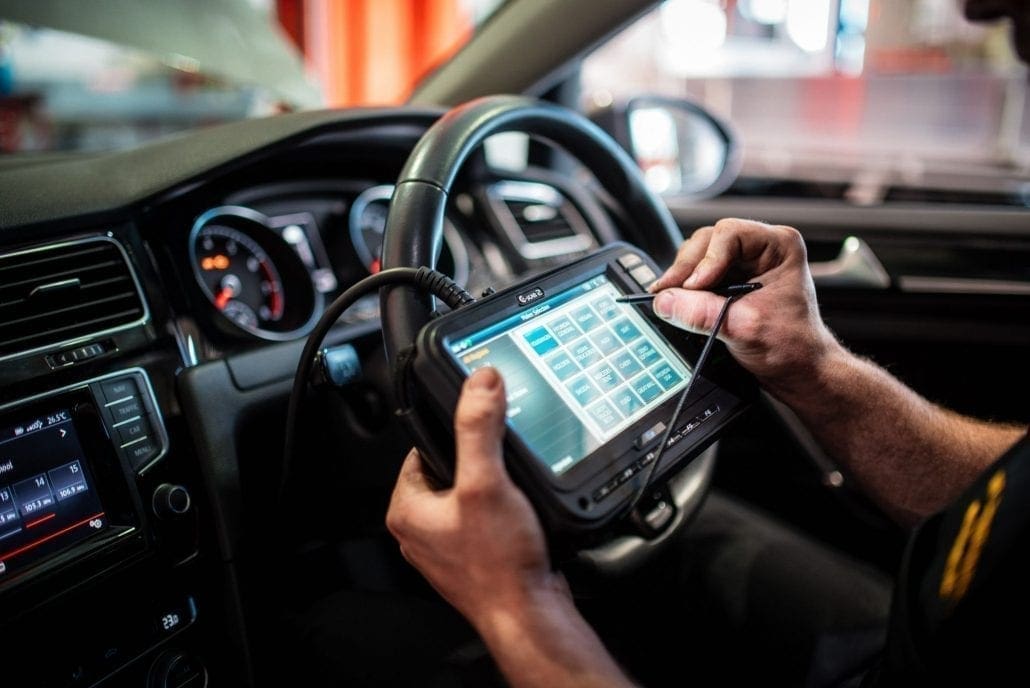
Professional calibration follows a structured process to achieve accurate results. Technicians first inspect the vehicle for damage and verify that repairs are complete. Next, they position the vehicle on a level surface and use manufacturer-approved calibration equipment. Sensors are adjusted according to factory specifications, followed by diagnostic testing to confirm proper operation. A final road test or system verification ensures the blind spot monitoring feature responds correctly. Following each step carefully helps produce reliable calibration results and supports consistent system performance.
Why Professional Calibration Produces Better Results
Specialized equipment and manufacturer procedures play an important role in successful calibration. Professional technicians understand the exact measurements, environmental conditions, and testing methods required for different vehicle models. Attempting calibration without proper tools may result in inaccurate sensor positioning and unreliable safety alerts. Repair facilities also update software when required and confirm that all related systems communicate correctly. Professional service provides greater confidence that the vehicle meets manufacturer standards and that driver assistance features operate with dependable accuracy.
Best Practices to Maintain Accurate Calibration
Proper maintenance reduces the risk of calibration problems and supports long-term system performance.
- Schedule calibration after collision repairs or bumper replacement.
- Check calibration after suspension or wheel alignment work.
- Replace damaged sensors with manufacturer-approved parts.
- Keep sensors clean and free from dirt, snow, and heavy debris.
- Follow recommended maintenance intervals provided by the vehicle manufacturer.
- Visit a qualified repair facility whenever warning lights remain active.
- Request system testing after major vehicle modifications.
Following these simple practices helps maintain dependable blind spot monitoring performance and reduces the chance of inaccurate alerts during everyday driving.
Choosing the Right Time for Calibration
Vehicle owners often wait until warning lights appear before arranging calibration, but preventive service is usually the better choice. Repairs involving body panels, sensor replacement, or structural components should always include a calibration check before returning the vehicle to the road. Routine inspections during regular maintenance appointments can also identify small alignment issues before they become larger concerns. Planning calibration at the correct time helps protect the investment in modern safety technology and supports reliable operation under a wide range of driving conditions.
Conclusion
Spot calibration is an important part of maintaining advanced driver assistance systems and keeping blind spot monitoring features dependable. Timely calibration following repairs, part replacements, or alignment changes helps preserve accurate sensor performance and reliable driver alerts. Professional service, proper maintenance, and regular inspections all contribute to better results and greater confidence on the road. Making calibration part of routine vehicle care helps drivers benefit from the safety features designed to reduce risk and improve awareness during every journey.