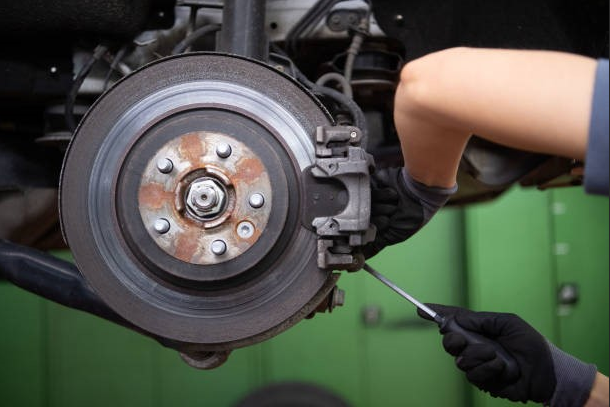
You just replaced your brake pads, eased out of the driveway, and something feels off. The pedal is soft, the stop feels delayed, and you’re thinking, “Wait, shouldn’t new pads feel better?” You’re right to question it. A spongy pedal after pad replacement usually means the brake system needs more than a simple parts swap.
Air, fluid condition, hardware fit, or pressure loss may be changing how your pedal responds. That’s where brake service helps you get back the firm, predictable stopping feel you expect every time you drive.
Key Takeaways
- A soft pedal after new pads deserves attention. It can indicate air, fluid issues, or pressure loss.
- Brake fluid can make or break the pedal feel. Old or moisture-heavy fluid may make stops feel lazy.
- Small hardware issues can create big symptoms. Clips, slides, and contact points all affect pedal response.
- A real diagnosis beats guessing. Testing the full brake system helps identify the cause more quickly.
- A road test matters. Your brakes should feel right in real driving, not just while parked in the bay.
5 Reasons Spongy Pedals Happen After Pad Replacement?
- Air Trapped in Lines
When air bubbles get into your brake lines, your pedal can lose that firm, confident feel. Brake fluid transfers force well, but air compresses. So, when you press the pedal, some of your effort gets wasted squeezing bubbles instead of moving the calipers.
This can happen if the system was opened during brake work, the fluid level dropped too low, or a bleeder screw did not seal properly. After new pads are installed, you may notice the issue more because the caliper pistons are sitting in a new position.
Air will not “work itself out” while you drive. If trapped air is the reason behind the soft pedal, the system needs proper bleeding before your brakes feel steady again.
- Old Fluid Feels Weak
You can install fresh pads and still have a lazy pedal if the fluid behind them is old. Brake fluid carries pressure through the system, and when it gets dirty or moisture-heavy, the pedal may feel slower than it should.
Here’s where it gets sneaky. Brake fluid absorbs moisture over time. Add Colorado hills, towing, traffic, winter temperature swings, and hard stops, and weak fluid can reveal itself right after new pads are installed. Your pads may be fresh, but the fluid may still be tired.
That is why brake service should include fluid testing, not just a look at pad thickness. AAA’s vehicle ownership cost guidance supports the bigger idea here: maintenance helps keep your vehicle reliable before small issues grow into expensive repairs.
- Sticky Caliper Slides
Your calipers need to slide smoothly so the pads can squeeze the rotors evenly. When slide pins stick, boots tear, or hardware gets rusty, one pad may work harder than the other.
You may feel a soft pedal, a slight pull, uneven stopping, a hot smell, or changes in braking from one stop to the next. It may not feel dramatic at first, but it can chip away at your confidence fast.
During this service, the technician checks slide pins, caliper brackets, boots, pad movement, and uneven wear patterns. Once the caliper movement is corrected, your brakes should apply more evenly, release properly, and feel more consistent at the pedal.
- Poor Pad Bedding
Fresh pads need even contact with the rotor before the pedal feel can settle properly. If the pad surface is not mating evenly with the rotor, your brakes may feel less direct after replacement.
During this service, the technician checks the rotor surface, pad contact pattern, hardware fit, and signs of glazing or uneven transfer. If needed, the pads are bedded in correctly, or the rotor surface issue is corrected so the pads can grip smoothly.
Wagner Brake explains that a proper disc pad and brake shoe break-in procedure helps friction material conform to the rotor or drum surface. Once the pads seat correctly, pedal response should feel smoother, more controlled, and easier to trust.
- Weak Brake Hoses
A weak or leaking brake hose can steal pressure before it reaches your caliper. From the driver’s seat, it can feel like a rubbery pedal, extra pedal travel, or a slower stop than you expected.
During this service, the technician checks the flexible brake hoses for cracks, swelling, rubbing, leaks, soft spots, and proper routing. After pad replacement, this inspection helps confirm whether the soft pedal is due to a worn hose rather than the new brake components.
According to a 2025 NHTSA recall, a leaking flexible brake hose can increase brake pedal travel and stopping distance. Replacing a damaged hose restores hydraulic pressure, making your pedal feel firmer, more responsive, and more consistent every time you brake.
5 Brake Services That Fix Spongy Pedals After Pad Replacement
- Bleeding the System Correctly
To fix a spongy pedal, trapped air has to be released from the brake lines and, when needed, from the ABS hydraulic unit. Air compresses under pressure, so it keeps your pedal from feeling firm. Once that air is removed, brake fluid can transfer pressure cleanly from your foot to the calipers.
During this brake service, the technician follows the correct sequence, pushes out old fluid and air, monitors the flow of clean fluid, and checks the pedal after each step. On some vehicles, a scan tool may be needed to cycle the ABS valves and release air that a basic manual bleed may not reach.
A 2026 NHTSA-hosted service bulletin discusses automated brake bleed and modified automated brake bleed procedures for ABS-equipped systems. If any residual air remains in the hydraulic unit, this automated brake bleed procedure helps restore the higher, firmer, more predictable pedal feel you expect after pad replacement.
- Brake Fluid Testing and Flush
Fresh pads cannot fix a soft pedal if the fluid behind them is old, dirty, or moisture-heavy. This service checks the condition of your brake fluid and confirms whether it can still hold pressure as it should.
During the service, the technician tests the fluid, checks the level, looks for contamination, and inspects nearby hoses and lines. If the fluid is low, it is flushed and replaced with clean fluid that meets your vehicle’s requirements.
A complete brake system inspection includes checking the brake fluid level, hoses, and brake lines, verifying warning lights, and conducting a test drive. After this service, your pedal should respond more consistently, especially during repeated stops, towing, or mountain driving.
- Brake Hardware Reset
Small clips, shims, slide pins, boots, brackets, and contact points control how your pads sit, move, and release after each stop. If those pieces are dirty, bent, dry, or worn, your new pads may not return smoothly after they press against the rotor.
During this service, the technician checks for rust buildup, stuck slide pins, damaged boots, bent clips, and rough contact points. Then the parts are cleaned, lubricated where appropriate, adjusted, or replaced so the pads can move without dragging, shifting, or binding.
Once the hardware is corrected, the brake assembly can work more evenly. That helps reduce extra pedal travel, uneven pad wear, noise, heat, and that “something still feels off” sensation after pad replacement.
- Brake Pressure Testing
When your pedal still feels soft, the system needs to show where pressure is being lost. This service checks whether your foot pressure is reaching the calipers properly or escaping through a weak part.
During pressure testing, the technician may inspect the master cylinder, caliper seals, flexible hoses, ABS hydraulic unit, and pressure behavior at the wheels. The goal is to avoid guessing and find the exact part causing the soft pedal.
The same logic applies to transmission diagnostics: find the cause before replacing parts. After pressure testing, you should know whether the spongy feel is coming from a hydraulic leak, internal bypass, hose expansion, ABS issue, or another pressure-related fault.
- Brake Road Test
The final check should happen where you actually use your brakes: on the road. A shop bay can confirm parts, fluids, and pressures, but a road test shows how your pedal behaves when the vehicle is moving, warming up, and stopping under real conditions.
During the road test, the technician checks first-stop feel, repeated stops, pedal height, pulling, vibration, noise, and whether the pedal changes as heat builds. This matters even more if you drive a diesel pickup, work truck, commuter car, or tow vehicle around Fort Lupton, Brighton, Firestone, Erie, or nearby Colorado roads.
A test drive is an essential part of a complete brake system inspection. After the road test, your pedal should feel steady, predictable, and safe before you trust the repair in daily driving.
Final Words
A fresh pad replacement should make you feel safer, not leave you second-guessing every stop sign. When your pedal feels spongy, your vehicle is asking for a closer look. Air, weak fluid, sticky calipers, poor pad seating, hose swell, or pressure loss can all play a role.
The right brake service checks the full system, confirms the cause, and restores the firm pedal feel you need for daily driving, towing, hauling, and Colorado road conditions.
For a firm, confident pedal after new pads, schedule your next inspection with Colorado Transmission & Diesel Specialists now!
FAQs
Why is my brake pedal soft after replacing the pads?
Your pedal may feel soft because air entered the lines, the fluid is old, the pads are not seated, or a hydraulic part is losing pressure. A proper inspection can separate a normal bedding feel from a real safety concern.
Can I drive with a spongy brake pedal?
You should not ignore it. If the pedal sinks, pumps up, or feels unpredictable, have it checked before normal driving. A firm brake pedal helps you stop with confidence.
Do new brake pads always feel soft at first?
Not always. Mild bedding changes can occur, but a truly soft or low pedal usually indicates a system issue. New pads should still feel controlled and safe.
Can a transmission repair shop inspect brakes, too?
Yes, a qualified transmission repair shop can inspect brake concerns if it offers complete brake testing, trained technicians, and the right diagnostic tools.
Does fuel injector service affect brake pedal feel?
No. Fuel injector service does not directly affect brake pedal feel, but a full-service shop may identify other safety concerns during routine maintenance.
Can oscilloscope diagnostics help with brake complaints?
Sometimes, yes. oscilloscope diagnostics can help when a brake concern is tied to electronic signals, wheel-speed sensors, ABS behavior, or an intermittent warning light.