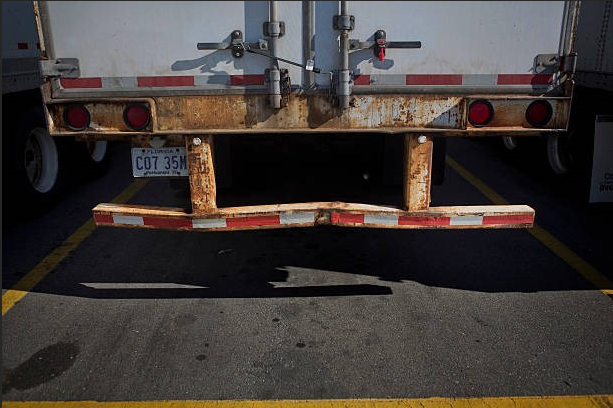
A trailer frame crack may look like a minor surface flaw, but its location can reveal how force is moving through the trailer. Every load, turn, stop, bump, and loading action sends stress through the frame in a specific direction. When that stress becomes too concentrated, cracks often appear at transition points, welds, brackets, rails, or ramp areas.
Understanding these crack locations helps trailer owners spot early warning signs and make smarter repair decisions. This guide explains what common crack areas say about load paths, so you can better protect the trailer, cargo, and overall towing safety on every trip.
Key Takeaways
- A trailer frame crack often shows where stress is collecting.
- Tongue and coupler cracks may point to hitch or load balance problems.
- Suspension cracks often come from road shock, overload, or alignment issues.
- Crossmember cracks can reveal uneven cargo support.
- Weld toe cracks may signal fatigue, flexing, or poor stress transfer.
- Professional inspection is important before the crack spreads.
Most Common Trailer Frame Crack Locations and Load Paths
The Tongue-to-Frame Junction
Location
Where the A-frame tongue connects to the main trailer frame.
Load Path Insight
This junction brings towing force, braking force, tongue weight, and turning stress into a single point. When a trailer frame crack appears here, it may show that the front structure is absorbing uneven or excessive force. Poor tongue weight, a trailer that rides out of level, or repeated tight turns can increase bending stress at this transition point.
The Coupler and Hitch Connection Area
Location
Around the coupler, hitch connection, jack mount, and front attachment points.
Load Path Insight
This area is the first point at which tow-vehicle movement is transmitted to the trailer. Pulling, stopping, backing, and road vibration all pass through this connection before spreading through the frame. A trailer frame crack near the coupler may suggest poor hitch height, hard braking, jackknife stress, worn hardware, or repeated shock at the front of the trailer.
Suspension Hanger and Axle Mount Areas
Location
Around leaf spring hangers, equalizer brackets, torsion axle mounts, and suspension welds.
Load Path Insight
Suspension mounts transfer road impacts, cargo weight, braking forces, and turning loads to the frame. Because this area relies on constant movement, a trailer frame crack here often indicates fatigue, overloading, rough roads, or axle alignment issues. A skilled fabrication contractor may need to inspect whether the bracket, frame rail, or reinforcement detail is causing stress concentration.
Crossmember-to-Frame Rail Connections
Location
Where deck crossmembers meet the main side rails.
Load Path Insight
Crossmembers spread deck weight across the trailer, but concentrated loads can overload their connection points. Heavy equipment tires, pallet legs, or machinery feet may concentrate force into a small area rather than distribute it evenly. If cracks form at the rail connection, the trailer may need better load support, stronger crossmember ties, or professional field fabrication to correct weak transfer points.
Main Frame Rail Cracks
Location
Along the main frame rails, especially near holes, notches, cutouts, brackets, or previous repairs.
Load Path Insight
The main rails carry the trailer’s core strength, so a trailer frame crack in this area deserves close attention. Holes, sharp cuts, corrosion, and poorly placed attachments can interrupt the load path. When the bending force reaches these weak points, cracks can spread quickly. Proper structural welding should restore strength without creating a new stress point nearby.
Rear Frame and Ramp Hinge Areas
Location
Around ramp hinges, rear crossmembers, dovetail sections, beavertail transitions, and back corners.
Load Path Insight
The rear frame bears the impact when equipment is moved on and off the trailer. A trailer frame crack near the ramp hardware may mean the rear edge is taking too much force before the load moves forward. Fast loading, angled entry, heavy machine tires, or repeated impact can fatigue this area and weaken the back support structure over time.
Weld Toe Cracks
Location
At the edge of a weld where the weld bead meets the base metal.
Load Path Insight
Weld toes often collect stress because the metal shape changes at that point. A trailer frame crack near a weld does not always mean the weld failed on its own. The joint may be flexing more than it should. A proper trailer repair should remove the damaged section, address the source of the stress, and prevent the crack from propagating to another weak area.
Conclusion
A trailer frame crack should never be treated as just a cosmetic issue. It is often a structural clue that indicates how the trailer responds to real-world use, heavy loads, road vibration, and repeated movement. By understanding where cracks appear and what they may mean, owners can respond before small damage becomes a larger safety concern.
The best approach is to inspect regularly, load carefully, avoid quick patch repairs, and work with qualified professionals when structural areas are involved. With proper care, a trailer can remain safer, stronger, and more dependable for future hauling needs.
FAQs
How can I tell if a trailer frame crack is old or active?
An old crack may have rust inside it, dull edges, or paint separation around it. An active crack may look sharp, fresh, or longer after each use. Marking the crack tip with paint can help you see if it grows.
Should I repair a crack in a trailer frame myself?
Small cosmetic metal damage is different from a structural crack. If the crack is near the tongue, suspension, main rail, coupler, or ramp support, it should be checked by a qualified repair professional.
Can overloading cause cracks even if the trailer still tows normally?
Yes. A trailer can feel normal even as hidden stress builds in the frame. Repeated overload can weaken welds, rails, brackets, and crossmembers over time.
Why do cracks come back after welding?
Cracks often return when the repair fixes the visible split but not the cause. Poor load balance, weak reinforcement, axle misalignment, or frame flex can shift stress back into the same area.
How often should I inspect trailer frame crack-prone areas?
Inspect before long trips, after hauling heavy equipment, after hitting rough roads, and during routine maintenance. Pay close attention to welds, suspension mounts, the tongue, coupler area, crossmembers, and ramp hinges.