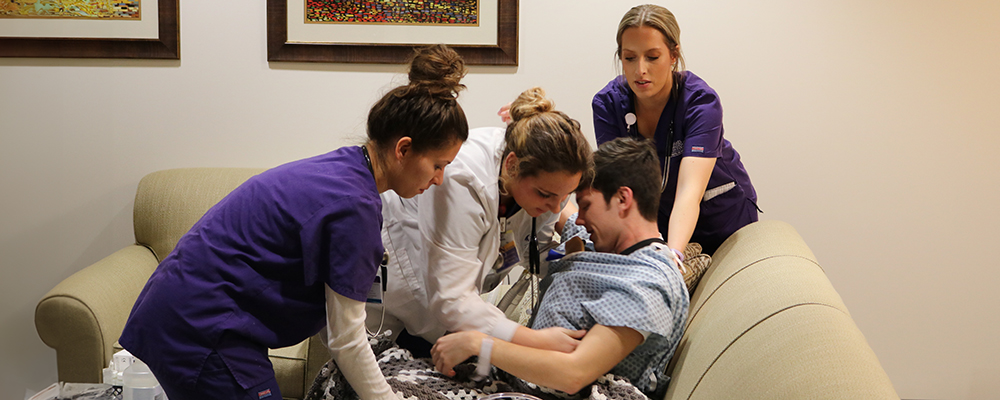
Feeling under the weather doesn’t always mean you need emergency medical attention. Many everyday health concerns can be treated quickly with the right medical guidance, helping you recover sooner while avoiding unnecessary hospital visits. First Care Family Clinic provides professional Minor Illnesses Care for patients experiencing common health conditions that require timely evaluation and personalized treatment. Whether symptoms appear suddenly or gradually worsen, receiving prompt care can reduce discomfort and prevent minor problems from becoming more serious.
Understanding Minor Illnesses Care
Minor illnesses are medical conditions that usually do not threaten life but still deserve professional attention. Ignoring symptoms or relying only on home remedies may delay recovery and sometimes lead to complications.
Minor Illnesses Care focuses on diagnosing, treating, and managing common conditions such as:
- Cold and flu symptoms
- Sore throat
- Ear infections
- Sinus infections
- Mild fever
- Allergies
- Cough and congestion
- Pink eye
- Minor skin rashes
- Mild stomach illnesses
Receiving an accurate diagnosis allows providers to recommend treatments based on the cause of your symptoms rather than simply masking discomfort.
Why Early Treatment Makes a Difference
Many people wait several days before seeking medical care because they hope symptoms will disappear naturally. While some viral infections improve with rest, others become more severe without appropriate management.
Early medical evaluation offers several advantages:
- Faster symptom relief
- Reduced risk of complications
- Better management of infections
- Proper medication recommendations
- Guidance for safe recovery at home
Quick intervention also helps determine whether your illness is viral, bacterial, or allergy-related, ensuring treatment is both safe and effective.
Common Symptoms That Shouldn’t Be Ignored
Not every cough or headache requires immediate care, but certain symptoms deserve professional evaluation.
Watch for signs such as:
- Fever lasting more than two days
- Persistent sore throat
- Difficulty swallowing
- Ear pain
- Ongoing nasal congestion
- Facial pressure
- Productive cough
- Fatigue that worsens
- Mild dehydration
- Skin irritation that spreads
Seeking care before symptoms progress often shortens recovery time and provides peace of mind.
Conditions Commonly Treated
Minor Illnesses Care includes a wide range of everyday health concerns.
Respiratory Infections
Upper respiratory infections frequently cause coughing, congestion, sneezing, and sore throat. A provider can determine whether supportive care or additional treatment is appropriate.
Sinus Problems
Sinus inflammation may produce facial pain, pressure, nasal blockage, and headaches. Identifying the underlying cause helps guide treatment.
Ear Infections
Children and youngers may experience ear discomfort, reduced hearing, or pressure. Early treatment helps reduce pain and prevents worsening infection.
Seasonal Allergies
Allergies often mimic cold symptoms. Accurate diagnosis ensures you receive the right medications instead of unnecessary antibiotics.
Minor Skin Conditions
Rashes, insect bites, mild allergic reactions, and minor skin infections can often be treated effectively without requiring emergency services.
What Happens During Your Visit?
A medical appointment begins with discussing your symptoms, medical history, and recent health changes. Your provider performs a physical examination and may recommend simple diagnostic testing if needed.
The goal is to identify the exact cause of your illness and create an individualized treatment plan.
Depending on your condition, recommendations may include:
- Prescription medication
- Over-the-counter treatment guidance
- Hydration recommendations
- Rest and recovery instructions
- Symptom monitoring
- Follow-up care if necessary
Simple Steps That Support Faster Recovery
While medical treatment addresses the cause of many illnesses, healthy habits also play an important role in recovery. Following your provider’s instructions can help you feel better sooner and lower the risk of complications.
Consider these practical tips:
- Drink plenty of water throughout the day.
- Get enough sleep to support your immune system.
- Eat nutritious, easy-to-digest meals.
- Wash your hands frequently to prevent spreading germs.
- Take medications exactly as directed.
- Avoid returning to work or school too early if you’re still contagious.
These simple measures often improve recovery while protecting family members and coworkers from becoming ill.
When to Seek Immediate Medical Attention
Although most common illnesses can be treated in a primary care setting, some symptoms require emergency evaluation.
Seek immediate medical care if you experience:
- Severe difficulty breathing
- Chest pain
- Confusion or sudden dizziness
- High fever that does not respond to medication
- Persistent vomiting with signs of dehydration
- Loss of consciousness
- Severe allergic reactions with facial swelling
Recognizing these warning signs helps ensure you receive the appropriate level of care without delay.
Preventing Future Minor Illnesses
Prevention is one of the most effective ways to maintain good health. While no one can completely avoid illness, healthy daily habits can reduce your risk.
Helpful preventive measures include:
- Wash your hands regularly.
- Stay current with recommended vaccinations.
- Eat a balanced diet rich in fruits and vegetables.
- Exercise consistently.
- Manage stress effectively.
- Get adequate sleep each night.
- Avoid close contact with people who are sick.
- Clean frequently touched surfaces during cold and flu season.
These habits strengthen your body’s natural defenses and contribute to long-term wellness.
Choosing Quality Care for Everyday Health Concerns
Access to dependable healthcare means you don’t have to guess whether your symptoms require treatment. A trusted primary care provider offers professional guidance, accurate diagnoses, and personalized recommendations based on your overall health rather than treating symptoms alone.
Instead of searching for answers online or self-medicating, receiving timely medical care allows potential problems to be identified early while giving you confidence in your treatment plan. Building an ongoing relationship with a healthcare provider also makes future visits more efficient because your medical history is already understood.
Conclusion
Minor health concerns may seem routine, but they still deserve thoughtful medical attention. Receiving professional Minor Illnesses Care can shorten recovery time, reduce unnecessary discomfort, and help prevent complications before they develop. First Care Family Clinic is committed to providing compassionate, patient-centered care with individualized treatment plans that support your health and well-being. Whether you’re dealing with seasonal illness, an infection, or another everyday medical concern, timely evaluation can help you return to your normal routine with greater confidence.
FAQs
What conditions are included in Minor Illnesses Care?
Minor Illnesses Care typically covers common colds, sore throats, sinus infections, ear infections, allergies, mild fevers, coughs, stomach illnesses, pink eye, and minor skin conditions.
Do I need an appointment for minor illnesses?
Many clinics offer same-day appointments or walk-in availability, depending on scheduling and patient volume.
Will I receive antibiotics?
Not always. Antibiotics are only prescribed when a bacterial infection is diagnosed. Viral illnesses usually require supportive care rather than antibiotics.
How long does recovery usually take?
Recovery depends on the condition, your overall health, and following your treatment plan. Many minor illnesses improve within several days to one week.
How can I reduce my chances of getting sick?
Practicing good hand hygiene, staying hydrated, eating a balanced diet, exercising regularly, getting enough sleep, and keeping vaccinations up to date can significantly lower your risk of common illnesses.