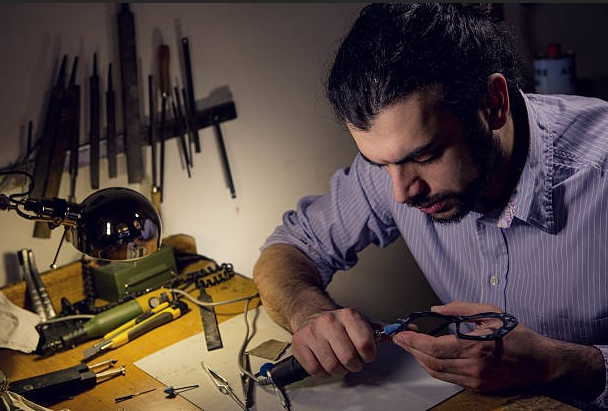
Italy eyewear craft is admired around the world for its precision, elegance, and deep regional expertise. Rather than developing in one location, Italian eyewear has evolved through specialized craft districts, each contributing unique skills to the frame-making process. From mountain workshops known for meticulous hand finishing to fashion capitals that influence modern design, every region plays a distinct role.
Understanding where different frame skills come from helps explain why Italian frames are recognized for their quality, durability, and attention to detail. Each region combines generations of craftsmanship with modern manufacturing techniques, creating eyewear that reflects both heritage and innovation.
Key Takeaways
- Cadore is the historic birthplace of Italian frame making and is known for hand finishing and precision craftsmanship.
- Belluno developed into Italy’s largest eyewear manufacturing district with extensive production expertise.
- Veneto combines traditional craftsmanship with modern industrial innovation.
- Venice contributed to Italy’s early optical history and the connection between eyewear and luxury.
- Milan influences fashion trends, creative direction, and luxury brand identity.
- Together, these regions shape the quality, comfort, and design of today’s Italian eyewear.
How Different Regions Shaped Italy Eyewear Craft
Cadore: The Birthplace of Italian Frame Making
Located within the province of Belluno in Veneto, Cadore is widely recognized as the birthplace of modern Italian eyewear manufacturing. Over generations, local artisans developed specialized skills while small workshops, suppliers, and manufacturers worked closely together. This concentration of expertise allowed craftsmanship to evolve through shared knowledge and continuous refinement.
What Makes Cadore Unique?
Cadore became known for:
- Hand assembly of frames
- Precision acetate processing
- Metal frame craftsmanship
- Skilled hand finishing
- Small-part manufacturing
- Heritage eyewear production
Marcolin, one of Italy’s leading eyewear companies, was founded in Cadore in 1961, further strengthening the area’s reputation within the global eyewear industry. The company’s early innovations in gold-laminated temples reflected the region’s expertise in producing refined frame components.
When discussing Italian eyewear craft, Cadore remains the foundation because it established many of the techniques still valued in high-quality Italian frames today.
Belluno: Italy’s Manufacturing Center for Eyewear
Belluno, the province that includes Cadore, expanded the region’s traditional craftsmanship into one of the world’s most important eyewear manufacturing districts. While Cadore focused on artisan skills, Belluno developed the infrastructure needed to produce eyewear on a larger scale without sacrificing quality.
By the 1930s, Belluno was already responsible for a significant portion of Italy’s eyewear production. Over time, manufacturers, suppliers, designers, and technical specialists formed an integrated production network that continues to support many global eyewear brands.
Belluno’s Core Strengths
Belluno is recognized for:
- Large-scale frame manufacturing
- Component production
- Technical training
- Material expertise
- Quality control
- Precision finishing
- Manufacturing innovation
The Eyewear Museum in Pieve di Cadore also helps preserve the district’s long history, highlighting how traditional craftsmanship continues to influence modern production.
For anyone exploring Italian eyewear, Belluno demonstrates how artisan knowledge and advanced manufacturing can work together to create consistently high-quality frames.
Veneto: Where Traditional Craft Meets Modern Innovation
Veneto provides the larger regional foundation that supports Italy’s eyewear industry. While Cadore and Belluno are its best-known production centers, the wider region connects manufacturers, suppliers, designers, exporters, and research facilities that keep the industry competitive worldwide.
Instead of focusing on a single specialty, Veneto brings together every stage of production, from sourcing materials to final assembly.
Why Veneto Matters
Veneto contributes:
- Strong manufacturing infrastructure
- Collaboration between workshops and factories
- Material innovation
- Export expertise
- Advanced production technology
- Long-standing craftsmanship traditions
This combination allows manufacturers to produce both optical frames and sunglasses while maintaining the quality standards associated with Italian frames.
For buyers building a curated eyewear collection, Veneto represents the balance between traditional craftsmanship and modern manufacturing efficiency.
Venice: The Historical Influence Behind Italian Eyewear
Although Venice is not a major manufacturing center today, it holds an important place in the history of eyewear. Historical accounts often associate Venice with some of the earliest developments in spectacles during the late thirteenth century. As an important trading city, Venice also helped spread optical knowledge, materials, and luxury craftsmanship throughout Europe.
Rather than contributing to large-scale frame production, Venice influenced the artistic and cultural identity of Italian eyewear.
Venice’s Lasting Contributions
Venice helped shape:
- Early optical craftsmanship
- Decorative design influences
- Luxury aesthetics
- Material trade and availability
- The connection between eyewear and refined style
These cultural influences continue to support the reputation of Italian eyewear as both functional and elegant.
Milan: Where Eyewear Becomes Fashion
Unlike Cadore or Belluno, Milan is not known for manufacturing frames. Instead, it influences how eyewear is designed, branded, marketed, and presented to consumers around the world.
Many luxury eyewear companies develop their creative direction in Milan before manufacturing takes place in northern Italian production districts. This relationship allows craftsmanship and fashion to complement one another.
Milan’s Role in Italian Eyewear
Milan is recognized for:
- Luxury eyewear design
- Fashion trends
- Brand identity
- Creative direction
- Retail presentation
- International fashion influence
While skilled artisans build the frames elsewhere, Milan helps transform those products into a premium eyewear collection that reflects contemporary luxury and timeless style.
Friuli and Northern Italy: Specialized Technical Support
Beyond the major eyewear districts, nearby northern regions, including parts of Friuli Venezia Giulia, contribute specialized manufacturing support. These areas supply technical components, materials, precision manufacturing, and specialized production services that strengthen Italy’s overall eyewear industry.
Modern eyewear manufacturing rarely takes place in a single location. Instead, different regions contribute their own expertise throughout the production process.
For example:
- One region may manufacture components.
- Another may assemble frames.
- Another may complete hand finishing.
- Another may lead creative design and branding.
This collaborative system is one of the reasons Italian eyewear craft continues to set international standards for quality and innovation.
Conclusion
The story of Italy eyewear craft is built on the expertise of multiple regions, each contributing unique skills that shape modern eyewear. Cadore established the foundations of frame making through generations of skilled artisans. Belluno expanded those traditions into one of the world’s leading manufacturing districts. Veneto connected craftsmanship with innovation, Venice contributed historical and cultural influence, while Milan continues to define luxury design and brand identity.
Together, these regions create Italian frames that are admired for their quality, comfort, and timeless appeal. Understanding where different frame skills come from gives buyers a deeper appreciation for the craftsmanship behind every pair of Italian eyewear and makes it easier to choose products built with lasting value.
FAQs
Why are different Italian eyewear regions important?
Each region specializes in different aspects of frame production, such as hand finishing, manufacturing, design, or technical innovation. Together, they contribute to the reputation of Italian eyewear for exceptional quality.
Does regional craftsmanship affect how frames fit?
Yes. Skilled craftsmanship influences hinge placement, frame balance, bridge design, polishing, and overall comfort, resulting in frames that often feel more refined during everyday wear.
Are all Italian frames made in one location?
No. Many manufacturers source components from different regions, complete production in another district, and finalize design or branding elsewhere. This collaborative approach is a defining feature of the Italian eyewear industry.
Why is hand finishing important in premium eyewear?
Hand finishing allows artisans to smooth edges, refine polishing, inspect alignment, and improve overall comfort. These finishing touches help distinguish many luxury Italian frames from mass-produced alternatives.
What makes a curated eyewear collection different?
A curated eyewear collection focuses on carefully selected frames that reflect high-quality craftsmanship, thoughtful design, premium materials, and lasting value rather than simply offering a large number of styles.