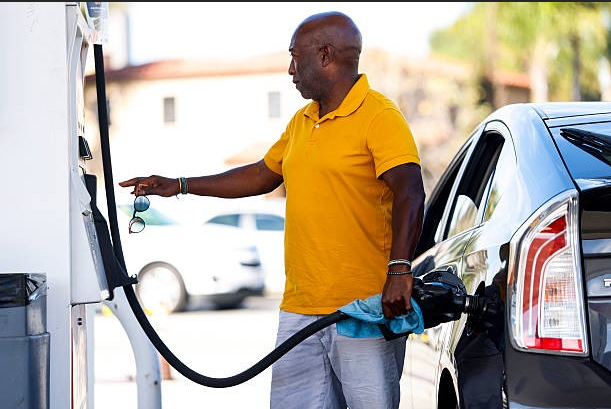
Medical travel can turn a normal day into a stressful challenge for families who are already worried about care, timing, and costs. A long drive to a specialist, repeated hospital visits, or treatment in another city can quickly make fuel expenses harder to manage. For patients and caregivers with limited resources, even one tank of gas may decide whether an appointment is missed or kept.
Gas card assistance is becoming an important source of relief for families facing these urgent travel needs. As more hospitals, nonprofits, and community groups offer transportation support, knowing how this help works can make the journey to care less overwhelming.
Key Takeaways
- Start with hospital social workers, patient navigators, or case managers.
- Contact disease-specific nonprofits for gas card assistance.
- Call 211 for local transportation and emergency travel resources.
- Ask Medicaid about NEMT and mileage reimbursement.
- Check local charities, churches, and hospital foundations.
- Ask about all travel help, not only gas cards.
How to Find Gas Card Assistance Fast for Medical Travel
- Contact Disease-Specific Nonprofits
Some nonprofits help with transportation because missed appointments can affect treatment outcomes. For example, the BDV foundation provides gas cards, assists patients and their families who need to travel, and provides access to discounted hotels near hospitals.
| Medical Need | Where to Look |
| Brain aneurysm care | Brain aneurysm-focused nonprofits, hospital neurology or Neuro ICU social workers, and organizations like The BDV Foundation |
| Kidney dialysis | Dialysis center social worker, kidney foundations, Medicaid NEMT |
| Children’s hospital care | Hospital family resource center, Ronald McDonald House programs, local children’s charities |
| Veterans’ care | VA social worker, veteran service organizations, Mercy Medical Angels |
| Cancer treatment | American Cancer Society, local cancer foundations, and hospital oncology navigators |
| Rare disease care | Diagnosis-specific foundations and national patient advocacy groups |
| Transplant care | Transplant center social worker and patient assistance funds |
Some nonprofits also raise funds through fundraising events to provide transportation assistance, education materials, emergency grants, and care support for patients and families. A local golf fundraiser may help fund gas cards for families traveling to specialist appointments, Neuro ICU visits, therapy sessions, or long-term follow-up care.
- Start with the Advocacy Support
The quickest help often starts inside the hospital or clinic. Ask for the social worker, case manager, patient navigator, financial counselor, or discharge planner. These teams often know which local programs currently offer gas card assistance, parking passes, lodging, meal vouchers, rideshare credits, or mileage reimbursement.
This support can be especially important for families seeking brain aneurysm support, cancer care, dialysis, transplant services, rehabilitation, or follow-up appointments after a serious hospital stay. Hospital teams may also connect families with patient education programs that explain the care plan, appointment schedule, and available financial resources.
Use clear wording:
“We need help paying for gas to get to medical appointments. Are there emergency transportation funds, gas cards, mileage reimbursement, or nonprofit referrals available today?”
Bring basic documents if possible:
| What to Have Ready | Why It Helps |
| Appointment date and location | Confirms the travel is medical |
| Patient diagnosis or treatment type | Some funds are condition-specific |
| Insurance card | Determines Medicaid or plan benefits |
| Photo ID | Often required for vouchers. |
| Proof of income or hardship | Helps with charity eligibility |
| Vehicle and driver information | Needed for mileage reimbursement in some programs |
- Call 211 for Local Gas Card Programs
Calling 211 is one of the fastest ways to find local transportation help. 211 connects families with nearby resources for medical transportation, healthcare expenses, rides, bus passes, and emergency assistance. United Way states that 211 can help people find transportation to doctor appointments and other healthcare-related support.
Ask specifically for:
“medical appointment transportation assistance,” “gas vouchers,” “fuel cards,” “mileage reimbursement,” “hospital travel help,” “emergency financial assistance,” and “gas card assistance”.
Funding changes by county and nonprofit, so families should call as early in the day as possible and ask for multiple referrals, not just one agency.
- Use Medicaid Non-Emergency Medical Transportation
For patients with Medicaid, Non-Emergency Medical Transportation (NEMT) may cover rides to Medicaid-approved care. CMS explains that Medicaid can cover transportation to and from a doctor’s office, hospital, or other medical office for eligible individuals when the trip is not an emergency.
NEMT may include:
- Mileage reimbursement when a family member drives
- Gas reimbursement or travel payment
- Public transit passes
- Taxi, van, or rideshare-style transportation
- Wheelchair-accessible transportation when medically necessary
Rules vary by state, and many programs require advance scheduling. Still, families should ask whether urgent or short-notice rides are available. The phone number is often on the Medicaid member ID card or managed care plan card.
- Try Local Charities and Faith-Based Agencies
Local assistance is often limited but fast when funds are available. Families can contact:
- Salvation Army
- Catholic Charities
- St. Vincent de Paul
- Local churches
- Community action agencies
- County health departments
- Senior centers or Area Agencies on Aging
- Local disease-specific charities
- Hospital foundations
Some agencies provide direct gas cards, while others offer bus passes, rides, parking help, motel vouchers, or one-time emergency financial assistance. If one agency cannot help, ask whether they know of current fundraising events, emergency assistance programs, or local groups offering gas card assistance for medical travel.
- Ask About Mileage Reimbursement, Not Just Gas Cards
Many families ask only for gas cards, leaving other options out. Use broader language:
“Is there any transportation assistance, fuel reimbursement, mileage reimbursement, parking help, ride program, or gas card assistance available?”
This matters because some programs cannot issue gas cards but can reimburse mileage after the appointment, provide rides, issue transit passes, or pay a vendor directly.
Conclusion
Finding gas card assistance fast starts with asking the right people and using the right words. Families should begin with hospital social workers, patient navigators, disease-specific nonprofits, Medicaid transportation benefits, 211, and local charities.
Gas cards are not the only option; it is important to ask about mileage reimbursement, rides, parking assistance, lodging support, and emergency travel funds. For patients traveling for brain aneurysm care, cancer treatment, dialysis, transplant services, rehabilitation, or follow-up appointments, timely transportation support can prevent missed care and reduce family stress during an already difficult time.
Reach out to BDV Foundation to explore compassionate travel assistance, patient support resources, and guidance for families facing medical care away from home.
FAQs
How quickly can a family receive gas card assistance?
Timing depends on the organization. Some hospital emergency funds or local charities may help within a few days, while larger nonprofit programs may take longer to review applications. Families should ask about urgent support and whether temporary help is available while an application is being processed.
Can gas cards be used for caregiver travel?
Some programs offer travel support for caregivers, especially when the caregiver is responsible for taking the patient to appointments or visiting during a hospital stay. Other programs only cover patient transportation. Always ask about the specific rules before applying.
Is gas card assistance available for follow-up appointments?
Yes, it may be available for follow-up appointments if the program covers ongoing medical travel. Families should keep appointment records and explain why the visit is medically necessary.
What if a family does not qualify for one program?
Ask for referrals. Families may still qualify for local charity funds, church assistance, community foundations, Medicaid transportation, disease-specific nonprofits, or fundraising support.
Can a nonprofit collect gas cards instead of cash donations?
Yes, many groups run gas card drives. However, nonprofits should establish clear tracking rules, securely store cards, and document how cards are distributed. This helps protect both donors and families.