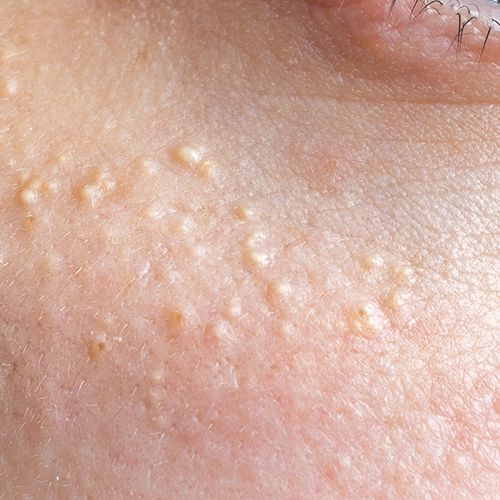
Milia are small, harmless, pearl-like white or yellowish bumps that often appear on the skin, particularly around the eyes, cheeks, and forehead. While these tiny cysts frequently resolve on their own, many individuals seek professional intervention for aesthetic reasons when the bumps persist. Seeking professional Milia Treatment in Abu Dhabi is a common choice for those looking to smooth their skin texture safely and effectively.
- Understanding the nature of milia: These bumps are essentially tiny, benign keratin-filled cysts trapped just beneath the skin’s surface.
- The decision to treat: Although they are not medically concerning, the desire for clear skin often motivates people to explore professional removal options.
- Setting expectations: Understanding the process is essential to feeling confident in the path toward achieving a smoother complexion.
The Professional Extraction Process
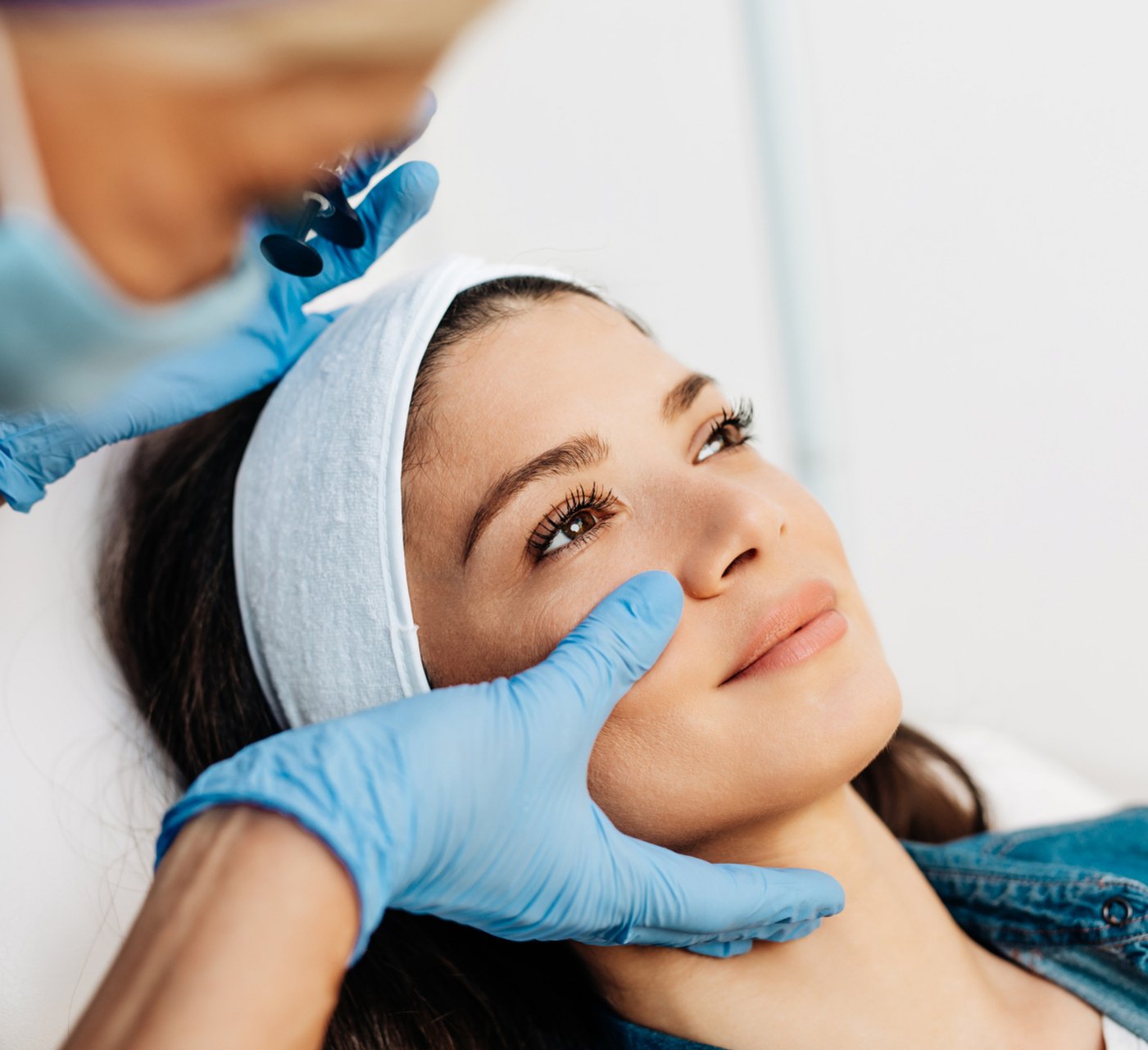
The most common and effective method for addressing persistent milia is manual extraction. This procedure is performed in a controlled environment to ensure both precision and hygiene. The professional will typically begin by cleansing the skin thoroughly with an antiseptic solution to maintain a sterile field. Because milia do not have a natural opening like a whitehead or a pimple, they cannot be safely “popped” or squeezed at home.
- Preparation: The skin is sanitized, and sometimes a topical anesthetic is applied to ensure maximum comfort during the session.
- The Technique: Using a fine, sterile lancet or a tiny surgical blade, a microscopic opening is created in the thin layer of skin over the cyst.
- Extraction: Once the opening is made, gentle pressure is applied using a specialized tool, such as a comedone extractor, to express the trapped keratin plug.
- Precision: This method is highly targeted, focusing only on the specific bumps, leaving the surrounding skin undisturbed.
Alternative Professional Modalities
Beyond manual extraction, depending on the quantity and placement of the cysts, other professional techniques may be employed. Some individuals may have clusters of milia, for which a more comprehensive approach might be recommended. These techniques are designed to address the underlying issue of dead skin cells or trapped protein while resurfacing the skin for an improved overall appearance.
- Chemical Exfoliation: Professional-strength chemical peels can help accelerate cell turnover, encouraging the skin to naturally shed and dislodge superficial milia.
- Cryotherapy: This involves the use of liquid nitrogen to gently freeze the cyst, causing it to detach from the surrounding tissue over time.
- Laser Techniques: In certain cases, laser technology may be used to vaporize the keratin or stimulate the skin’s natural absorption processes.
- Tailored Approaches: The choice of technique depends on the skin type and the specific characteristics of the milia present.
Navigating the Post-Treatment Phase
Following a professional procedure, it is normal to experience some mild temporary changes in the appearance of the skin. Most individuals find that these minor effects are short-lived and well worth the result of a clearer complexion. The goal of the post-treatment period is to allow the skin to heal properly and maintain its integrity, ensuring the best possible cosmetic outcome.
- Immediate Aftercare: You might notice slight redness or tiny, pin-prick-sized marks where the extraction occurred, which typically subside within a few days.
- Healing Timeline: The skin generally heals quickly, and any minor scabbing should resolve naturally as the skin regenerates.
- Maintenance: Keeping the area clean and protected from environmental stressors is vital during the initial healing phase.
- Ongoing Routine: Post-procedure care often includes advice on using lightweight, non-comedogenic skincare products to prevent further congestion.
Long-Term Skin Health and Prevention
While professional treatment effectively removes existing bumps, maintaining clear skin involves a consistent and gentle approach to daily skincare. Understanding what triggers your skin can help in adopting habits that promote a balanced, healthy barrier. Avoiding heavy, occlusive creams around the eyes—where the skin is particularly delicate—is a common recommendation for those prone to recurrence.
- Gentle Cleansing: Ensuring the skin is free of makeup and debris every night allows for natural exfoliation and prevents pore clogging.
- Balanced Skincare: Choosing water-based serums or lotions instead of thick, heavy balms helps the skin “breathe” and supports healthy turnover.
- Sun Protection: Protecting the skin with a high-factor sunscreen daily is an essential step in maintaining skin health and minimizing long-term damage.
- Consistency: Adopting a long-term strategy centered on gentle resurfacing and hydration is the best way to support lasting skin clarity.
Frequently Asked Questions (FAQs)
1. Can milia be removed at home using store-bought tools?
It is strongly advised against attempting to remove milia at home. Because they are cysts rather than standard blemishes, they lack an opening and require professional techniques to prevent scarring or skin trauma.
2. How long does the recovery process usually take?
Most individuals notice that any redness or tiny marks fade within 24 to 48 hours, though this can vary depending on skin sensitivity. Full healing usually occurs within a few days.
3. Will the milia come back after a professional treatment?
While professional extraction removes the existing cyst, new milia can develop if the underlying causes—such as poor exfoliation or the use of heavy skincare products—are not addressed. A consistent, skin-appropriate routine helps minimize recurrence.
4. Is professional removal painful?
The procedure is generally considered well-tolerated. Most people report feeling only a mild prick or slight pressure during the extraction process, and numbing options are often available for added comfort.