Introduction
In modern power generation and industrial energy systems, gas and steam turbines operate under extreme mechanical and thermal conditions. To maintain safe operation, these machines rely on highly responsive protection systems capable of initiating an immediate shutdown when abnormal conditions are detected. One of the most important components in this safety architecture is the Turbine Emergency Trip Terminal Module, which plays a central role in managing and executing emergency stop signals.
Understanding the Turbine Emergency Trip Terminal Module
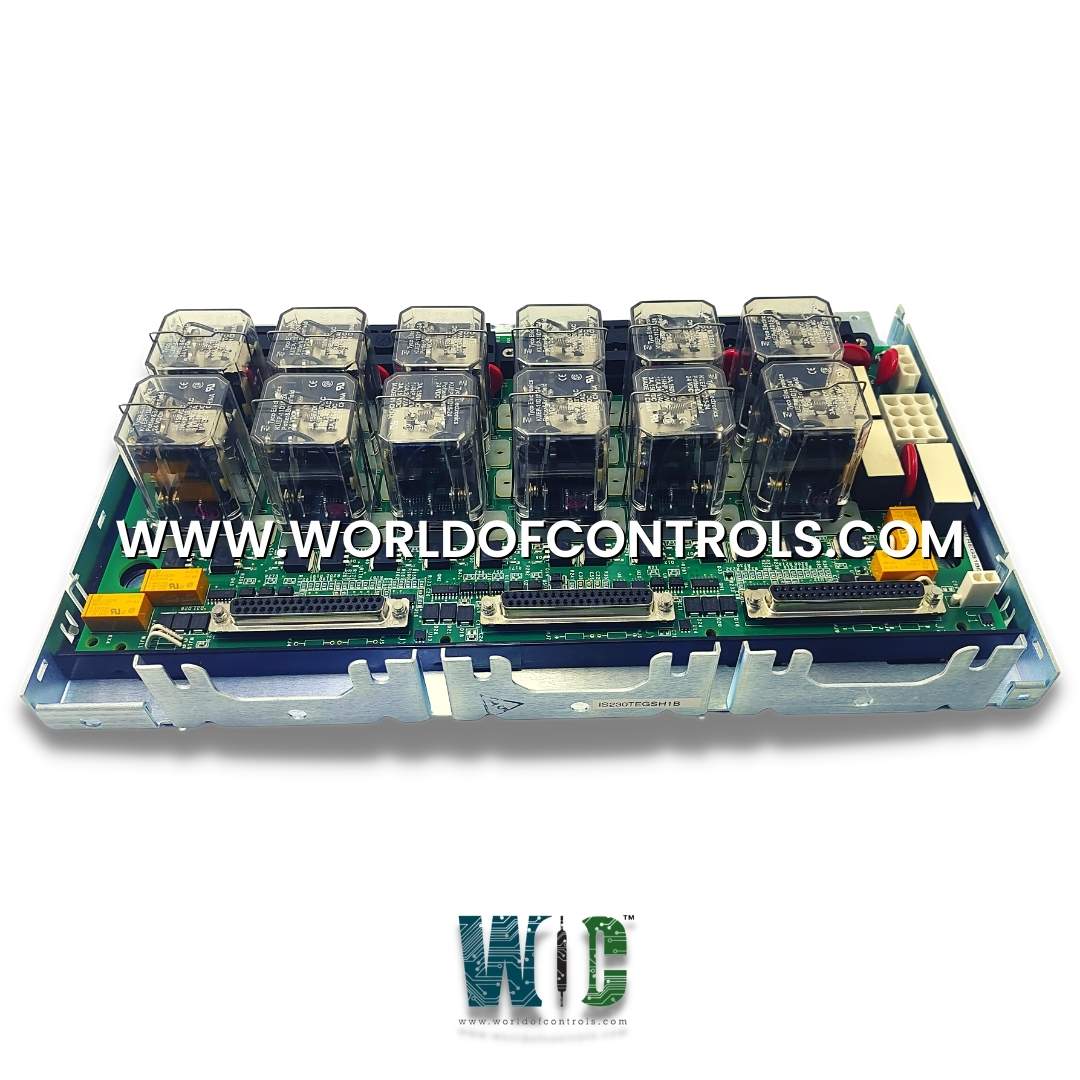
A Turbine Emergency Trip Terminal Module is a critical interface device within a turbine control and protection system. Its primary function is to receive, process, and transmit emergency trip signals generated by field instruments and safety devices.
These signals may originate from conditions such as overspeed, excessive vibration, high exhaust temperature, low lubrication pressure, or combustion instability. When such conditions occur, the module ensures that the turbine is rapidly and safely shut down to prevent equipment damage or operational hazards.
The module is typically integrated into distributed control systems used in industrial turbines, where it acts as a reliable communication and signal-handling point between field devices and the central control processor.
Role in Turbine Protection Systems
In turbine control architecture, the Emergency Trip Terminal Module is a key part of the protection chain. It ensures that critical shutdown signals bypass normal control logic and are executed with priority.
Modern turbine systems, especially those used in power plants and heavy industrial applications, rely on layered protection strategies. The module supports this design by providing a dedicated pathway for emergency signals, reducing latency and minimizing the risk of signal failure.
It is often implemented within advanced control platforms used for gas and steam turbines, where system reliability and safety compliance are essential.
Key Functions of the Emergency Trip Terminal Module
1. Collection of Safety-Critical Signals
The module gathers inputs from multiple field devices such as pressure switches, speed sensors, and vibration monitors, all of which continuously evaluate turbine health.
2. Execution of Emergency Shutdown Commands
When unsafe operating conditions are detected, the module triggers a turbine trip, ensuring immediate shutdown to protect mechanical components.
3. Signal Isolation and Integrity
It separates safety-critical trip signals from general control signals, ensuring that emergency commands are not affected by noise or system disturbances.
4. Support for Redundant Protection Architecture
Many turbine systems use redundancy to enhance reliability. The module can operate within redundant configurations to ensure continuous protection even if one channel fails.
5. Communication with Control Systems
The module interacts with the turbine’s main control system, enabling coordinated response and system-wide safety logic execution.
Applications in the Turbine Industry
Emergency Trip Terminal Modules are widely used across multiple sectors where turbines play a critical operational role:
Power Generation Facilities
In electricity production plants, these modules ensure safe turbine shutdown during grid disturbances or internal mechanical faults.
Oil and Gas Industry
They are used in compressor and drive turbine systems where operational failures could lead to safety risks or production losses.
Industrial Processing Plants
Heavy industries rely on turbine-driven generators, making emergency trip systems essential for protecting equipment and maintaining process safety.
Combined Cycle Power Systems
In integrated power plants, the module plays a key role in coordinating shutdown sequences between gas and steam turbines.
Importance in Modern Turbine Control
As turbine technology evolves, control systems are becoming more digital, interconnected, and performance-driven. In this environment, emergency trip systems remain a foundational safety layer.
The Emergency Trip Terminal Module ensures that even in complex automated environments, safety actions are executed with speed and reliability. It helps protect not only the turbine itself but also surrounding equipment and plant infrastructure.
Conclusion
A Turbine Emergency Trip Terminal Module is an essential component of modern turbine protection systems. It provides a dedicated and reliable pathway for emergency shutdown signals, ensuring rapid response during fault conditions. By enabling safe turbine trips, it plays a vital role in maintaining operational safety, protecting critical assets, and ensuring long-term system reliability in industrial and power generation environments.