Hard water is a common issue in many households, and while it may seem harmless at first, it can cause long-term problems for plumbing systems, appliances, and even your daily cleaning routine. One of the most noticeable effects of hard water is limescale build-up—a chalky white residue that forms on taps, kettles, and pipes.
With the rise in popularity of water filter taps, many homeowners are asking an important question: can they actually reduce limescale build-up? In this article, we’ll explore how hard water works, what causes limescale, and whether water filter taps are an effective solution.
What Is Hard Water?
Hard water contains high levels of dissolved minerals, primarily calcium and magnesium. These minerals are naturally picked up as water flows through soil and rock formations before reaching your home.
While hard water is generally safe to drink, it can lead to several inconveniences, including:
- Soap that doesn’t lather well
- Spots on dishes and glassware
- Dry skin and hair
- Build-up in pipes and appliances
The most persistent issue, however, is limescale.
What Causes Limescale Build-Up?
Limescale forms when hard water is heated or left to evaporate. As the water disappears, it leaves behind mineral deposits that stick to surfaces.
You’ll often find limescale in:
- Kettles and coffee machines
- Showerheads and faucets
- Water heaters
- Dishwashers and washing machines
Over time, this build-up can reduce the efficiency of appliances, increase energy consumption, and even lead to costly repairs.
What Are Water Filter Taps?
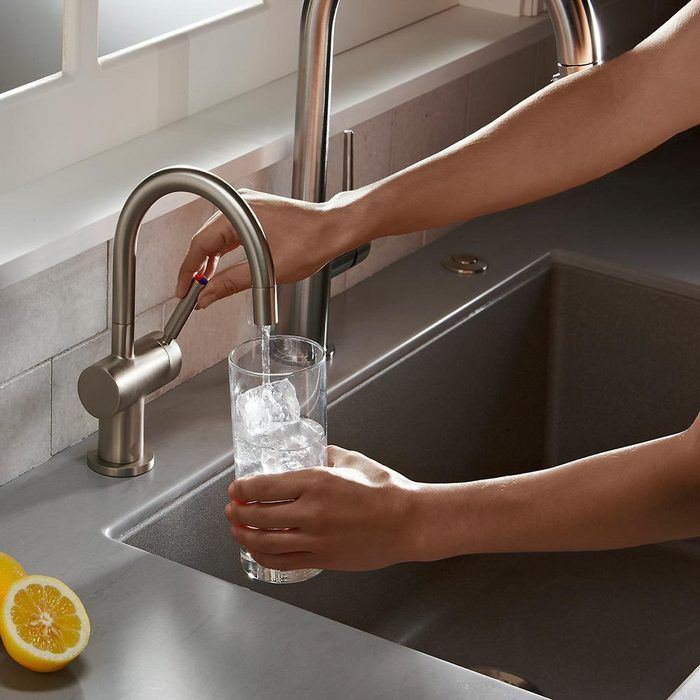
Water filter taps are specially designed faucets that include built-in filtration systems. These systems are designed to remove impurities from water, improving its taste, smell, and overall quality.
Unlike traditional taps, water filter taps often have separate channels—one for regular tap water and another for filtered water. This allows you to choose when you want purified water for drinking or cooking.
Do Water Filter Taps Reduce Limescale?
The short answer is: it depends on the type of filter used.
Most standard water filter taps are designed to remove contaminants such as chlorine, sediments, and certain chemicals. However, not all filters are effective at removing the minerals responsible for hard water.
Filters That Help Reduce Limescale
Some advanced water filter taps use specialised filtration technologies that can reduce calcium and magnesium levels. These include:
Ion Exchange Filters
Ion exchange systems replace calcium and magnesium ions with sodium or potassium ions, effectively softening the water. This process can significantly reduce limescale formation.
Reverse Osmosis Systems
Reverse osmosis (RO) systems push water through a semi-permeable membrane, removing a wide range of impurities, including minerals that cause hardness.
Scale Inhibitors
Some water filter taps include scale inhibitors that don’t remove minerals but alter their structure, making them less likely to stick to surfaces.
Filters That Don’t Address Hardness
Basic carbon filters, which are common in many water filter taps, are excellent for improving taste and removing chlorine, but they do not reduce water hardness. This means limescale can still form even if your water tastes better.
Benefits of Using Water Filter Taps
Even if not all water filter taps eliminate limescale, they still offer several advantages:
Improved Water Quality
Filtered water tastes better and is free from many impurities, making it ideal for drinking and cooking.
Reduced Appliance Wear
When equipped with the right filtration system, water filter taps can help minimise mineral build-up in appliances, extending their lifespan.
Convenience
Having filtered water directly from your tap eliminates the need for bottled water or separate filtration devices.
Eco-Friendly Solution
Using water filter taps reduces plastic waste from bottled water, making it a more sustainable choice.
Limitations to Consider
While water filter taps can help, they are not always a complete solution for hard water problems.
Not All Systems Soften Water
As mentioned earlier, many water filter taps do not remove hardness minerals. It’s important to choose a system specifically designed for this purpose.
Maintenance Requirements
Filters need to be replaced regularly to remain effective. Neglecting maintenance can reduce performance and even lead to contamination.
Initial Cost
High-quality water filter taps with advanced filtration systems can be more expensive upfront, though they may save money in the long run.
Alternative Solutions for Hard Water
If limescale is a major concern in your home, you may want to consider additional solutions alongside water filter taps:
Whole-House Water Softeners
These systems treat all the water entering your home, providing comprehensive protection against limescale.
Descaling Products
Regular cleaning with descaling solutions can help manage build-up in appliances and fixtures.
Magnetic or Electronic Descalers
These devices alter the behaviour of minerals in water, reducing their tendency to form scale.
How to Choose the Right Water Filter Tap
If your goal is to reduce limescale, look for water filter taps that specifically mention:
- Hard water reduction or softening capabilities
- Ion exchange or reverse osmosis technology
- Built-in scale inhibitors
It’s also helpful to test your water hardness level before making a purchase. This ensures you select a system that matches your needs.
Practical Tips for Reducing Limescale
In addition to using water filter taps, you can take simple steps to minimise limescale build-up:
- Wipe down surfaces regularly to prevent deposits from hardening
- Use filtered water in kettles and coffee machines
- Clean appliances with vinegar or descaling solutions
- Avoid letting water sit and evaporate on surfaces
These habits can make a noticeable difference over time.
Final Thoughts
So, can water filter taps really reduce limescale build-up? The answer depends on the type of filtration system you choose. While standard filters may not address hard water, advanced options like ion exchange and reverse osmosis can significantly reduce mineral content and help prevent limescale.
For homeowners dealing with hard water, water filter taps can be a valuable part of the solution—especially when combined with other methods like water softeners and regular maintenance.
Ultimately, investing in the right system not only improves water quality but also protects your home, appliances, and daily comfort. By understanding how different filters work, you can make an informed decision and enjoy the benefits of cleaner, more manageable water.