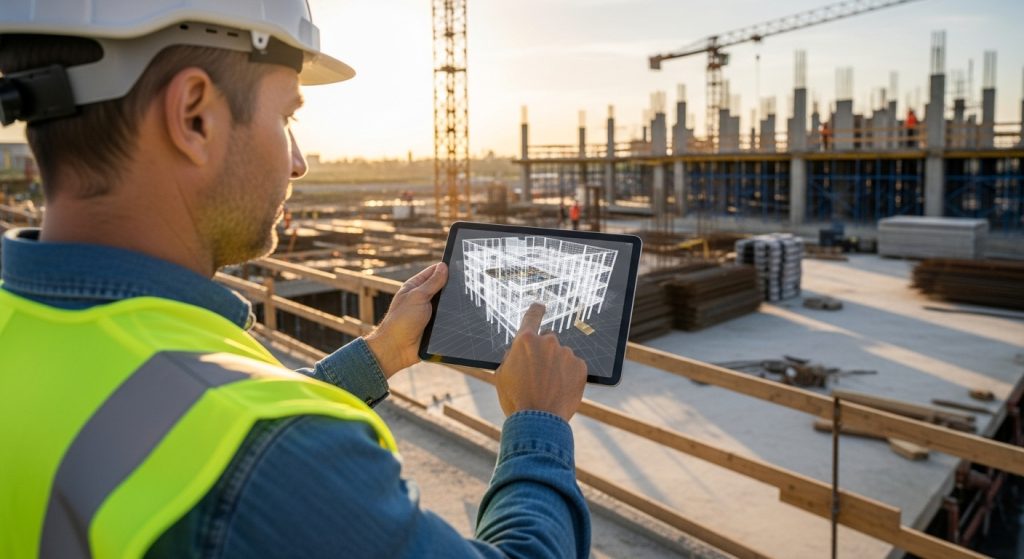
The construction industry is undergoing a digital transformation, and one of the most impactful innovations is the use of digital twins. When combined with modular construction methods, digital twins are reshaping how buildings are designed, built, and maintained. This is especially important in the development of modular healthcare buildings, where precision, efficiency, and lifecycle management are critical.
In this article, we’ll explore what digital twins are, how they work in modular construction, and why they are becoming essential for modern healthcare infrastructure.
What Are Digital Twins?
A digital twin is a virtual replica of a physical asset, system, or process. It uses real-time data, sensors, and advanced modelling to mirror the physical object throughout its lifecycle. In construction, this means creating a digital version of a building that evolves from design to operation.
Unlike static 3D models, digital twins are dynamic. They continuously receive data from the physical structure, allowing stakeholders to monitor performance, predict issues, and optimise operations.
Modular Construction Meets Digital Innovation
Modular construction involves building components off-site in controlled factory environments and assembling them on-site. This method is already known for reducing construction time, improving quality, and minimising waste.
When digital twins are integrated into modular construction, the benefits multiply. For modular healthcare buildings, this combination ensures that every module is designed, tested, and optimised before it even reaches the site.
Enhancing Planning and Design
One of the biggest advantages of digital twins is their ability to improve planning accuracy. During the design phase, architects and engineers can simulate how different modules will fit together and perform under real-world conditions.
For modular healthcare buildings, this is especially valuable. Hospitals and clinics require precise layouts for patient flow, infection control, and equipment placement. Digital twins allow teams to test these variables virtually before construction begins.
This reduces design errors, avoids costly rework, and ensures that the final building meets strict healthcare standards.
Improving Collaboration Across Teams
Construction projects often involve multiple stakeholders, including architects, engineers, contractors, and healthcare administrators. Miscommunication between these groups can lead to delays and inefficiencies.
Digital twins act as a single source of truth. Everyone involved can access the same real-time data and visual models, improving collaboration and decision-making.
In modular healthcare buildings, where timelines are often tight and requirements are complex, this level of coordination is essential for success.
Optimising Off-Site Manufacturing
In modular construction, much of the work happens in factories. Digital twins help optimise this process by providing detailed insights into each module’s design and performance.
Manufacturers can use digital twins to:
- Simulate production workflows
- Identify potential bottlenecks
- Ensure quality control before modules leave the factory
For modular healthcare buildings, this means that critical components like operating rooms or patient wards are built to exact specifications, reducing the risk of errors during on-site assembly.
Streamlining On-Site Assembly
Once modules are transported to the construction site, digital twins continue to play a vital role. They provide real-time guidance for assembly, ensuring that each component is installed correctly.
This reduces construction time and minimises disruptions, which is particularly important for healthcare facilities that may need to remain operational during expansion or renovation.
With digital twins, project managers can also track progress more accurately and make adjustments as needed.
Enhancing Lifecycle Management
The benefits of digital twins don’t stop after construction is complete. In fact, one of their most powerful applications is in lifecycle management.
For modular healthcare buildings, ongoing maintenance and performance monitoring are crucial. Digital twins allow facility managers to:
- Monitor building systems in real time
- Predict maintenance needs before failures occur
- Optimise energy usage and operational efficiency
This proactive approach reduces downtime, lowers maintenance costs, and ensures a safer environment for patients and staff.
Supporting Sustainability Goals
Sustainability is a growing priority in construction, and digital twins play a key role in achieving it. By simulating energy use and environmental impact, digital twins help teams design more efficient buildings.
In modular healthcare buildings, this can lead to:
- Reduced energy consumption
- Lower carbon emissions
- Improved resource management
Additionally, modular construction itself generates less waste compared to traditional methods. When combined with digital twins, it creates a more sustainable approach to building healthcare infrastructure.
Risk Reduction and Predictive Insights
Digital twins use data analytics and machine learning to identify potential risks before they become major issues. This is particularly important in healthcare settings, where system failures can have serious consequences.
For example, a digital twin can detect anomalies in HVAC systems, which are critical for maintaining air quality in hospitals. By addressing these issues early, facility managers can prevent disruptions and maintain compliance with health regulations.
The Future of Modular Healthcare Buildings
As technology continues to evolve, the role of digital twins in modular construction will only grow. Advances in IoT (Internet of Things), artificial intelligence, and cloud computing will make digital twins even more powerful and accessible.
For modular healthcare buildings, this means smarter, more efficient facilities that can adapt to changing needs. Whether it’s expanding capacity during a health crisis or upgrading systems for better performance, digital twins provide the flexibility needed in modern healthcare.
Take Away
Digital twins are transforming the way modular construction projects are planned, executed, and managed. By providing real-time insights and predictive capabilities, they enhance every stage of the building lifecycle.
For modular healthcare buildings, the benefits are especially significant. From improved design accuracy to better maintenance and sustainability, digital twins help create facilities that are not only efficient but also future-ready.
As the construction industry continues to embrace digital innovation, the integration of digital twins in modular construction will become a standard practice—delivering smarter, safer, and more resilient healthcare environments.