Introduction
A healthy smile is more than just an aesthetic feature. Properly aligned teeth support comfortable chewing, clearer speech, improved oral hygiene, and overall confidence. However, many people live with crowded teeth, bite problems, or gaps that affect both appearance and dental health.
Orthodontic treatment is designed to correct these concerns by gradually improving the alignment of teeth and jaws. While braces are often associated with teenagers, orthodontic care is increasingly popular among adults as well. Modern techniques and advanced appliances now make treatment more comfortable and discreet than ever before.
Despite growing awareness, many patients still hesitate because they are unsure about the treatment process, duration, or expected results. Questions about braces, discomfort, cost, and maintenance are common before beginning care.
This guide explains everything patients should know about orthodontics, including the procedure, benefits, treatment options, and long-term care. If you are considering orthodontic treatment in Oshiwara, understanding the process can help you make informed decisions about your smile and oral health.
What Is Orthodontic Treatment?
Orthodontic treatment focuses on correcting misaligned teeth and jaw irregularities.
The treatment uses specialized appliances to move teeth gradually into healthier and more functional positions.
Orthodontics helps improve:
- Teeth alignment
- Bite function
- Jaw positioning
- Smile appearance
- Oral hygiene
Many people believe orthodontics is purely cosmetic. However, proper alignment contributes significantly to long-term dental health.
People exploring orthodontics in Oshiwara often seek treatment not only for aesthetics but also to improve comfort and oral function.
Who May Need Orthodontic Treatment?
Orthodontic problems vary from person to person.
Some concerns are mild, while others may affect daily activities and oral health.
Crowded Teeth
When teeth overlap or lack adequate space, cleaning becomes difficult.
This may increase the risk of:
- Cavities
- Gum disease
- Plaque buildup
Gap Between Teeth
Spacing problems may develop naturally or due to missing teeth.
Many patients seek orthodontic care for gap teeth treatment to improve appearance and bite function.
Bite Problems
The upper and lower teeth should fit together properly.
Common bite concerns include:
- Overbite
- Underbite
- Crossbite
- Open bite
These problems may affect chewing and jaw comfort.
Jaw Alignment Concerns
Improper jaw positioning may contribute to:
- Speech difficulty
- Facial imbalance
- Jaw discomfort
Early diagnosis helps simplify treatment planning.
Many families visit a dentist in Oshiwara when they notice alignment problems in children or adolescents.
Causes of Teeth Misalignment
Orthodontic problems may develop due to several factors.
Genetics
Family history often influences:
- Jaw shape
- Tooth size
- Alignment patterns
Childhood Habits
Certain habits may affect dental development.
Examples include:
- Thumb sucking
- Tongue thrusting
- Prolonged pacifier use
Premature Tooth Loss
Missing baby teeth too early may disrupt eruption patterns.
Jaw Growth Differences
Uneven jaw growth may contribute to bite imbalance.
Early assessment helps manage these concerns before they become severe.
Types of Orthodontic Treatment
Modern orthodontics offers several treatment options.
The right choice depends on:
- Severity of misalignment
- Age
- Lifestyle preferences
- Treatment goals
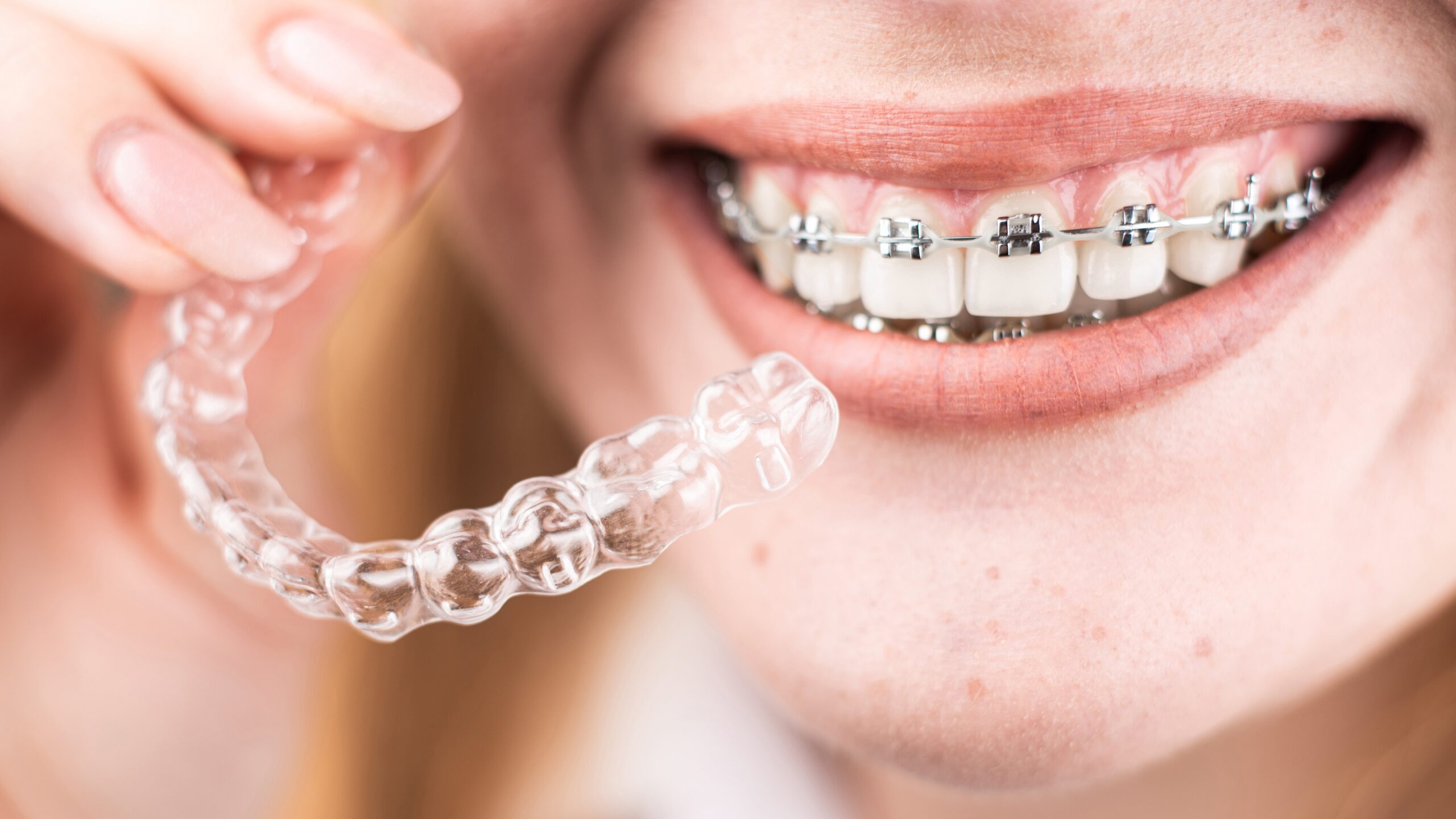
Traditional Metal Braces
Metal braces remain one of the most effective orthodontic systems.
They include:
- Brackets
- Wires
- Elastic bands
Advantages include:
- Reliable tooth movement
- Effective for complex cases
- Cost-effective treatment
Many patients seeking braces treatment in Oshiwara choose metal braces because of their predictable results.
Ceramic Braces
Ceramic braces work similarly to traditional braces but use tooth-colored materials.
Benefits include:
- Less noticeable appearance
- Effective alignment correction
- Popular among adults
These braces require careful maintenance to avoid staining.
Patients prioritizing aesthetics often prefer this option.
Self-Ligating Braces
Modern orthodontics also includes self ligating braces.
Unlike traditional braces, these systems use specialized clips instead of elastic ties.
Benefits may include:
- Reduced friction
- Improved comfort
- Easier cleaning
- Potentially fewer appointments
This technology has become increasingly popular in advanced orthodontic care.
Clear Aligners
Clear aligners use removable trays to move teeth gradually.
Advantages include:
- Minimal visibility
- Easy removal
- Convenient oral hygiene
However, not every case is suitable for aligners.
Complex bite problems may still require braces.
An experienced orthodontist helps determine the ideal treatment method.
Step-by-Step Orthodontic Treatment Procedure
Understanding the process helps reduce anxiety and improves treatment expectations.
Here is the typical orthodontic journey.
Step 1: Initial Consultation and Examination
Treatment begins with a detailed evaluation.
The orthodontist examines:
- Teeth alignment
- Jaw relationship
- Bite pattern
- Gum health
- Oral condition
Patients may discuss:
- Smile concerns
- Expectations
- Treatment goals
Many individuals visit a dental clinic in Oshiwara for this first consultation to understand available options.
Step 2: Diagnostic Records and Treatment Planning
Once treatment is recommended, records are collected.
These may include:
Dental X-Rays
X-rays evaluate:
- Root position
- Jaw structure
- Eruption patterns
- Bone health
Digital Scans or Impressions
Digital technology helps create accurate tooth models.
Clinical Photographs
Photographs support:
- Smile analysis
- Treatment planning
- Progress tracking
This planning stage helps create a customized treatment strategy.
Step 3: Preparing for Treatment
Any existing dental issues should be treated first.
Common procedures include:
- Cleaning
- Filling cavities
- Treating gum disease
Healthy teeth and gums support successful orthodontic outcomes.
Patients often complete these procedures at a dental clinic in Oshiwara before braces placement.
Step 4: Braces Placement
Braces placement is usually painless.
The appointment may take:
- 45 minutes to 2 hours
The process includes:
Tooth Preparation
Teeth are cleaned and prepared.
Bracket Bonding
Small brackets are attached to teeth using dental adhesive.
Wire Placement
An archwire connects the brackets and begins controlled tooth movement.
This marks the official beginning of treatment.
Step 5: Adjustment Period
Mild discomfort is normal after braces placement.
Patients may experience:
- Pressure
- Soreness
- Chewing difficulty
- Minor irritation
These symptoms usually improve within several days.
Helpful measures include:
- Soft foods
- Warm salt-water rinses
- Orthodontic wax
Adjustment discomfort is temporary and expected.
Step 6: Regular Follow-Up Visits
Orthodontic treatment requires monitoring.
Appointments usually occur every:
- 4–8 weeks
During visits, the orthodontist may:
- Tighten wires
- Replace bands
- Evaluate progress
- Modify treatment when needed
Consistent follow-ups support safe and effective tooth movement.
People undergoing teeth alignment treatment in Oshiwara should attend appointments regularly for best results.
How Long Does Orthodontic Treatment Take?
Treatment duration varies.
Factors include:
- Severity of misalignment
- Age
- Appliance type
- Patient cooperation
Typical timelines include:
- Mild cases: 6–12 months
- Moderate cases: 12–24 months
- Complex cases: 24–36 months
Following instructions carefully helps improve efficiency.
Benefits of Orthodontic Treatment
Orthodontics provides several long-term advantages.
Improved Smile Appearance
Straighter teeth often improve self-confidence.
Patients frequently feel more comfortable:
- Smiling
- Speaking
- Socializing
Better Oral Hygiene
Aligned teeth are easier to clean.
This may lower the risk of:
- Decay
- Gum disease
- Plaque accumulation
Improved Bite Function
Correcting bite problems supports comfortable chewing and jaw movement.
Reduced Tooth Wear
Uneven bite forces may contribute to enamel wear.
Orthodontic correction helps distribute pressure evenly.
Many people choose orthodontic treatment in Oshiwara to improve both function and appearance.
Oral Care During Orthodontic Treatment
Oral hygiene becomes especially important during braces treatment.
Brackets and wires may trap food particles.
Daily care should include:
Brushing
Brush carefully around brackets after meals.
Flossing
Use:
- Floss threaders
- Water flossers
- Orthodontic floss
Mouthwash
Antibacterial rinses may help maintain gum health.
Consistent hygiene protects treatment progress.
Foods to Avoid With Braces
Certain foods may damage appliances.
Patients should limit:
Hard Foods
Examples:
- Ice
- Nuts
- Hard candy
Sticky Foods
These include:
- Gum
- Caramel
- Sticky sweets
Crunchy Foods
Cut foods into smaller pieces when possible.
Protecting braces prevents unnecessary delays.
Are Braces Only for Teenagers?
No.
Orthodontic care benefits patients of all ages.
Adults increasingly seek treatment for:
- Smile improvement
- Bite problems
- Relapsed alignment
- Professional confidence
Modern orthodontics offers discreet options that fit adult lifestyles.
Many adults consult the best dentist in Oshiwara to explore available treatment choices.
Cost Factors in Orthodontic Treatment
Treatment costs vary.
Several factors influence expenses.
These include:
- Type of braces
- Case complexity
- Treatment duration
- Technology used
Patients often seek an affordable dentist in Oshiwara who combines expertise with transparent treatment planning.
Cost discussions should be personalized during consultation.
Common Orthodontic Myths
Several misconceptions still discourage treatment.
Myth: Braces Are Extremely Painful
Fact: Mild discomfort is temporary and manageable.
Myth: Orthodontics Is Only Cosmetic
Fact: Treatment supports oral health and function.
Myth: Adults Cannot Get Braces
Fact: Adults commonly receive orthodontic treatment successfully.
Understanding these facts encourages timely care.
Choosing the Right Orthodontic Clinic
Selecting the right provider matters.
Patients often consider:
Experience
An experienced provider understands complex bite correction.
Technology
Modern diagnostics improve planning accuracy.
Communication
Clear explanations help reduce anxiety.
Choosing the right orthodontic clinic supports a positive treatment journey.
Conclusion
Orthodontic treatment is more than a cosmetic procedure. It improves oral health, bite function, and long-term comfort while creating a more confident smile. From consultation and diagnosis to braces placement and follow-up care, every stage contributes to successful results.
Modern orthodontics offers several solutions, including ceramic braces, self ligating braces, and traditional systems that can be customized to individual needs.
If you are considering orthodontic treatment in Oshiwara, early consultation and proper planning can help you achieve healthier alignment and lasting confidence. Whether you are exploring orthodontics in Oshiwara or searching for braces treatment in Oshiwara, informed decisions and professional guidance remain the foundation of successful care.
Frequently Asked Questions
How long does orthodontic treatment take?
Treatment usually lasts between 12 and 24 months depending on complexity.
Are braces painful?
Braces placement is painless. Mild soreness may occur temporarily after adjustments.
Can adults get orthodontic treatment?
Yes. Adults increasingly choose orthodontics for both cosmetic and functional reasons.
How often are follow-up appointments needed?
Most patients require visits every 4–8 weeks.
Are ceramic braces effective?
Yes. Ceramic braces provide effective alignment while offering a less noticeable appearance.
Source: Orthodontic Treatment: Procedure, Benefits & What Patients Should Know