
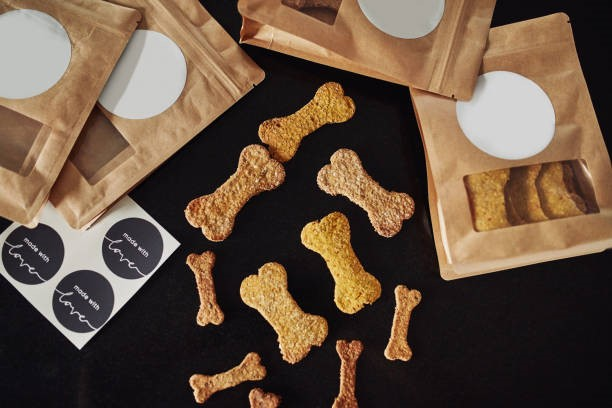
Dog owners today pay closer attention to what goes into their pets’ food than ever before. With shelves full of treats labeled “natural,” “premium,” “grain-free,” or “human-grade,” it can be difficult to know what those claims actually mean. An artisanal dog treat often sounds healthier and more trustworthy, but the real story is hidden in the ingredient list.
Learning how to read labels carefully helps pet parents make better decisions without getting distracted by marketing language. From protein sources to preservatives, every ingredient matters when choosing treats that support your dog’s health and happiness.
Key Takeaways
- Ingredient labels reveal more than marketing claims
- Real meat should appear first in quality treats
- Short ingredient lists are often easier to trust
- Avoid artificial preservatives, fillers, and by-products
- Grain-free does not automatically mean healthier
- High-quality, healthy dog treats focus on balanced nutrition
- Reading labels carefully helps support your dog’s long-term wellness
Common Claims on Artisanal Dog Treat Labels
- “Natural” Does Not Always Mean Nutritious
The word “natural” is one of the most common claims on dog treat labels, but it does not tell the full story by itself. A treat may sound natural on the front of the package, but the ingredient list should prove it.
Look for specific ingredients such as chicken, beef, sweet potato, pumpkin, carrots, oats, blueberries, or peanut butter. These are easier to understand than vague terms like “meat flavor,” “animal by-product,” or “artificial flavor.”
A strong natural claim should match a simple ingredient list. If the treat says “natural,” but the label includes artificial colors, sweeteners, or unclear protein sources, pet parents should look more carefully before buying anything that is labeled as “healthy dog treats”.
- “Human-Grade” and What It Really Means
Human-grade means the ingredients are considered suitable for human consumption, but the claim is more useful when the label supports it with clear details. Pet parents should check whether the ingredient list includes recognizable foods instead of vague blends or generic meals.
A carefully made artisanal dog treat may use human-grade ingredients, small-batch preparation, and simple recipes to build trust. Still, the claim should not be accepted blindly. The label should make it easy to see what the treat is made from and how transparent the brand is about quality.
If a product claims human-grade quality but does not clearly list its ingredients, sourcing, or preparation style, the claim may not be very helpful.
- Organic Claims in Pet Treats
Organic claims can sound very appealing, but they need to be checked closely. Some items, such as dog jerky treats, may use one or two organic ingredients, while the rest of the recipe is not organic.
If a label says organic, look for specific organic ingredients such as organic oats, organic pumpkin, organic peanut butter, or organic blueberries. A trusted certification, such as the USDA Organic seal, can also help confirm the claim.
Organic does not always mean the treat is better for every dog. An artisanal dog treat can be organic and still be too rich, too high in calories, or made with an ingredient your dog does not tolerate well. The full ingredient list still matters.
- Watch for Fillers and Artificial Additives
The phrase “no fillers” is useful only when the ingredient list supports it. A treat that makes this claim should not rely on low-value ingredients, artificial colors, corn syrup, or unnecessary flavor enhancers.
Quality treats usually focus on ingredients that serve a clear purpose, such as protein for flavor, oats for texture, pumpkin for fiber, or blueberries for natural sweetness. If the ingredient list is long and full of unclear additives, the “no fillers” claim may feel less convincing.
Many healthy dog treats use shorter ingredient lists because they are easier for pet parents to evaluate. This is especially helpful for dogs with sensitive stomachs or food allergies.
- Grain-Free Claims and Misunderstandings
Grain-free is one of the most misunderstood claims on dog treat labels. Some dogs may need grain-free treats because of allergies or digestive issues, but many dogs tolerate grains well.
The key is to check what replaces the grain. Some grain-free treats use quality ingredients like sweet potato or pumpkin, while others rely heavily on starches that may not add much nutrition.
A grain-free claim should not be the only reason to choose an artisanal dog treat. Pet parents should still look at protein quality, calories, additives, and the full ingredient list before deciding. A balanced recipe matters more than a trendy phrase on the front of the package.
Conclusion
An artisanal dog treat should be judged by more than front-label claims. Words like natural, human-grade, organic, no fillers, and grain-free only matter when the ingredient list supports them.
Clear ingredients, simple recipes, and honest labeling make it easier to choose treats with confidence. By checking how each claim shows up in the actual ingredients, pet parents can make smarter choices for their dog’s health and daily routine.
FAQs
Can label claims help when choosing treats for a dog charcuterie board?
Yes. Label claims can help, but the ingredient list matters more. For a dog charcuterie board, choose treats with clear proteins, simple ingredients, and no unsafe additives.
Are dog chewing treats always better for dental health?
Not always. Dog chewing treats may support chewing activity, but they should match your dog’s size, chewing strength, and digestion. Very hard treats may not be right for every dog.
What label claim matters most for sensitive dogs?
A short ingredient list is often more useful than a big marketing claim. Sensitive dogs usually do better with treats that clearly show each ingredient.
Should grain-free treats be used on a dog charcuterie board?
Only if your dog actually needs grain-free treats. A dog charcuterie board can include grain-free options, but the full ingredient list should still be checked.
How do I compare dog chewing treats on ingredient labels?
Look at the first few ingredients, protein source, preservatives, and calorie count. Good dog chewing treats should be clear, safe, and easy to understand.