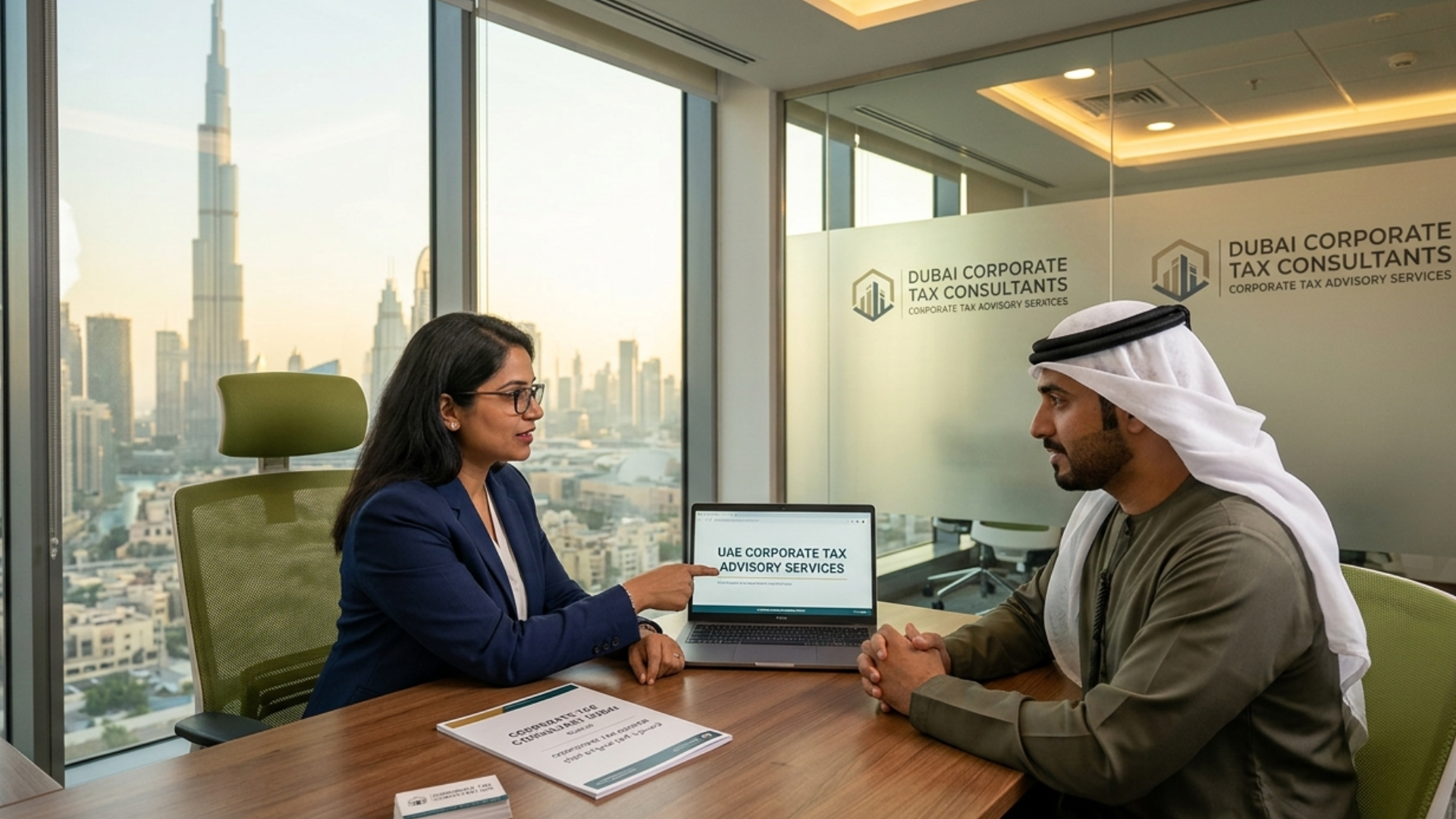
As the UAE’s corporate tax framework continues to shape the business environment, tax efficiency has become an important priority for companies across the region. Businesses are increasingly looking for ways to manage tax obligations responsibly while maintaining compliance with regulations and protecting profitability. The good news is that improving tax efficiency does not mean taking aggressive positions or creating unnecessary risk. In many cases, it comes down to better planning, stronger reporting, and more informed financial decision-making.
For businesses in Dubai and across the UAE, legal tax efficiency is about understanding the rules clearly and structuring operations in a way that supports compliance while avoiding avoidable tax costs. It requires visibility into finances, accurate documentation, and a proactive approach throughout the year.
The Total CFO helps businesses achieve this through practical tax advisory, financial oversight, and strategic planning tailored to the UAE corporate tax environment.
Understand Your Tax Position Clearly
The first step to improving tax efficiency is understanding how corporate tax applies to your business.
This sounds straightforward, but many businesses operate with uncertainty around:
- Taxable income calculations
- Deductible expenses
- Entity structure implications
- Free Zone eligibility considerations
- Filing obligations
- Recordkeeping requirements
Without a clear understanding of these areas, businesses may either overpay tax or create compliance gaps that lead to future issues.
Reviewing your current tax position gives management a stronger foundation for decision-making.
The Total CFO works with businesses to assess their current structure, financial reporting, and tax exposure so planning can begin with clarity.
Strengthen Financial Reporting and Accounting Accuracy
Accurate accounting plays a major role in legal tax efficiency.
Corporate tax calculations depend on the quality of financial records. If reporting is incomplete or inconsistent, businesses may miss opportunities to optimize their tax position appropriately.
Areas that should be reviewed regularly include:
- Revenue recognition
- Expense categorization
- Accrual accounting adjustments
- Balance sheet reconciliations
- Month-end close processes
Good accounting helps ensure that all allowable expenses are captured properly and taxable income is calculated accurately.
The Total CFO supports businesses with stronger reporting systems and IFRS-aligned financial processes that make tax management more efficient.
Identify Eligible Business Expenses
One of the most practical ways to improve tax efficiency legally is ensuring that legitimate business expenses are properly tracked and documented.
Many businesses lose efficiency simply because expenses are:
- Misclassified
- Not recorded on time
- Missing supporting documents
- Not reviewed consistently
Expenses linked to normal business operations should be recorded accurately and supported with proper documentation.
Examples often include operational costs, payroll, office expenses, software, professional services, and other business-related expenditures.
The key is maintaining clarity and support behind every expense recorded.
The Total CFO helps businesses improve expense tracking and documentation processes so records remain accurate throughout the year.
Maintain Strong Documentation
Documentation is essential for both compliance and tax efficiency.
Even if a tax position is valid, poor documentation can create problems if the business cannot support it later.
Businesses should maintain organized records such as:
- Tax invoices
- Expense receipts
- Supplier contracts
- Customer agreements
- Payroll files
- Bank statements
- Internal approvals where relevant
Good documentation protects the business and supports accurate reporting.
It also makes audits and compliance reviews much easier to manage.
The Total CFO helps businesses build practical documentation systems that support both operational efficiency and regulatory readiness.
Plan Throughout the Year Instead of at Year-End
Tax efficiency works best when it is part of year-round financial management—not a last-minute year-end exercise.
Waiting until the end of the financial year often limits available options.
Businesses benefit from reviewing tax impact alongside decisions related to:
- Budget planning
- Hiring
- Investment in assets
- Business expansion
- Cost management
- Cash flow planning
When these decisions are reviewed proactively, businesses can better understand financial impact before commitments are made.
The Total CFO helps businesses integrate tax awareness into regular planning cycles rather than treating tax as a separate annual event.
Review Business Structure Periodically
As businesses grow, their structure may change.
A company that began with one entity may expand into multiple business lines, add shareholders, enter Free Zones, or begin operating across borders.
These changes can affect:
- Reporting obligations
- Internal financial processes
- Tax treatment across entities
- Compliance complexity
Periodic review helps ensure the structure still supports operational efficiency and remains aligned with regulatory expectations.
A structure that worked several years ago may no longer be the most efficient today.
The Total CFO helps businesses review these changes from both a financial and tax perspective to support better long-term planning.
Improve Internal Controls Around Finance
Tax efficiency is closely connected to internal financial discipline.
Businesses with stronger internal controls often experience fewer errors and better visibility into financial performance.
Helpful internal controls may include:
- Expense approval workflows
- Segregation of duties
- Monthly management review of reports
- Reconciliation sign-off procedures
- Document retention processes
These controls help reduce reporting mistakes before they reach tax filings.
They also create stronger financial accountability across teams.
The Total CFO works with businesses to improve internal controls that support cleaner reporting and better compliance outcomes.
Work With Experienced Advisors
Tax regulations continue to evolve, and staying updated internally can be difficult—especially for growing businesses managing multiple priorities.
Working with the right advisor gives businesses access to:
- Practical compliance guidance
- Strategic planning support
- Financial reporting review
- Audit readiness support
- Ongoing tax risk monitoring
In the middle of building efficient financial systems and staying compliant with evolving regulations, many businesses choose to work with a trusted corporate tax consultant in dubai to improve visibility, reduce risk, and strengthen their tax planning approach.
The Total CFO provides that support through a practical advisory model built around both compliance and business performance.
Why Businesses Choose The Total CFO
The Total CFO supports businesses across Dubai and the UAE with tax and financial advisory services designed to help companies manage corporate tax efficiently and responsibly.
Their services include:
- Corporate tax registration support
- Tax filing preparation
- Financial reporting and IFRS alignment
- Compliance reviews
- Documentation support
- Audit readiness planning
- Strategic CFO advisory
Their approach focuses on helping businesses simplify tax obligations while improving financial performance and operational efficiency.
Conclusion
Improving tax efficiency legally in the UAE is less about complexity and more about preparation, accuracy, and strategic decision-making. Businesses that understand their tax position, maintain accurate records, review expenses carefully, and plan proactively are often in a stronger position to manage obligations efficiently while remaining fully compliant.
The Total CFO helps businesses across the UAE achieve exactly that through practical tax advisory, financial oversight, and long-term planning support. With the right systems and guidance in place, businesses can manage corporate tax confidently, reduce avoidable risk, and create a stronger financial foundation for sustainable growth.