Skin lesions come in many forms, ranging from harmless cosmetic concerns like skin tags to more significant growths that may require professional evaluation. Seeking Skin Lesion Removal in Abu Dhabi is a common way to address these irregularities, whether for aesthetic improvement or to ensure long-term health and comfort.
- Understanding that skin lesions vary from benign growths to potentially concerning spots.
- Recognizing that removal is a standard procedure for both cosmetic and health-related reasons.
- Acknowledging the importance of professional evaluation to determine the most suitable approach for each individual.
Surgical Approaches to Lesion Removal
Surgical methods are often employed when a complete removal is necessary, either for diagnosis or to ensure the entire growth is addressed. These procedures are typically performed under local anesthesia to ensure patient comfort throughout the process.
- Surgical Excision: This involves cutting around and underneath a lesion to remove it entirely. It is frequently used for cysts, moles, and suspected skin cancers, allowing the tissue to be sent for laboratory analysis.
- Shave Excision: Used for lesions that extend above the skin’s surface, such as skin tags or certain moles. A small, sterile blade is used to shave the lesion down to the level of the surrounding skin.
- Curettage: This technique involves using a specialized instrument called a curette to gently “scoop” away softer or distinct lesions, such as seborrheic keratoses or warts, from the healthy tissue.
- Mohs Micrographic Surgery: A highly precise, layer-by-layer removal process often used for skin cancers in sensitive areas. It allows for the maximum preservation of healthy tissue while ensuring the lesion is fully removed.
Non-Surgical and Minimally Invasive Techniques
For many benign skin conditions, non-surgical methods offer effective alternatives that are often minimally invasive. These techniques focus on destroying or removing the lesion without the need for traditional cutting or extensive suturing.
- Cryotherapy: This involves applying liquid nitrogen to the lesion, which freezes and destroys the abnormal cells. It is a common treatment for warts, skin tags, and actinic keratoses.
- Laser Therapy: Targeted laser beams are used to heat and destroy specific lesions, such as vascular growths, sunspots, or certain types of warts. This method is highly precise and often preserves surrounding healthy skin.
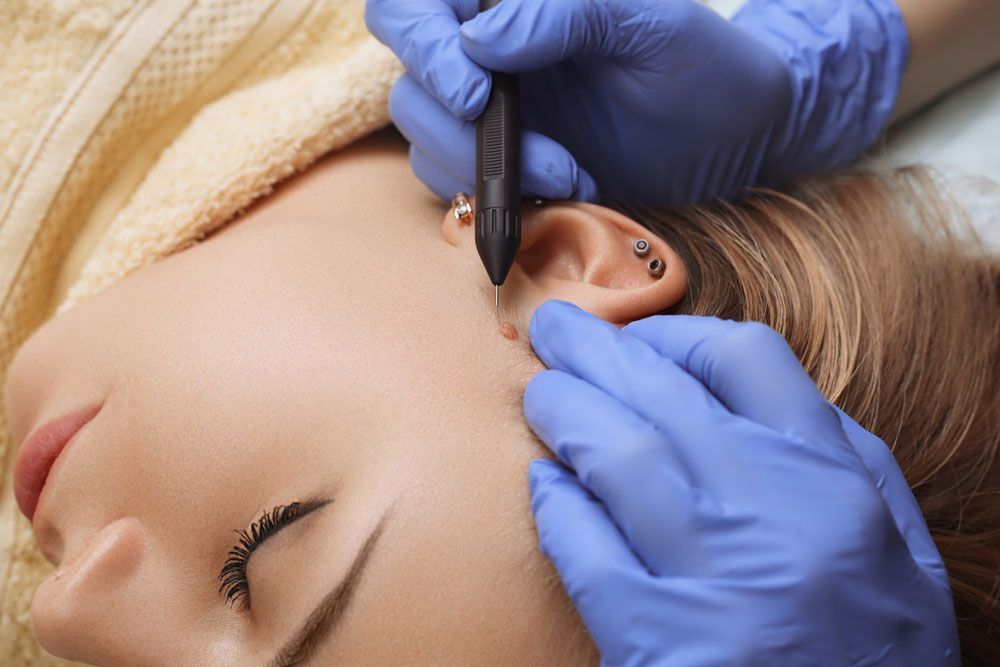
- Electrocautery/Electrodessication: An electrical current is passed through a small probe to heat and destroy the lesion tissue. This is often used for surface-level growths and can also help seal blood vessels to minimize bleeding.
- Topical Treatments: In some cases, medicated creams, gels, or solutions can be applied directly to the lesion over several weeks. These treatments help the body’s immune system target and eliminate the growth, commonly used for warts or precancerous patches.
Why Removal Procedures Are Performed
The decision to remove a skin lesion is usually based on a combination of health assessments and personal goals. While many lesions are harmless, their removal can prevent future irritation, provide peace of mind, or improve one’s overall appearance.
- Diagnostic Purposes: Removing a lesion allows for a biopsy, which is critical for identifying the nature of a growth and ruling out malignancy.
- Functional Comfort: Lesions that are frequently rubbed by clothing, prone to bleeding, or situated in areas that cause discomfort are often candidates for removal.
- Aesthetic Improvement: Many individuals choose to remove visible or unsightly growths to achieve smoother skin and increase personal confidence.
- Preventive Care: Addressing precancerous or suspicious lesions early can be a proactive step in maintaining long-term skin health.
Recovery and Aftercare Essentials
After a removal procedure, proper care is essential to ensure the area heals well. While the specifics depend on the method used, general guidelines help maintain the health of the treated site and minimize the appearance of the healing area.
- Wound Care: Keeping the site clean and following instructions regarding dressings or bandages is vital.
- Protection from Elements: Avoiding excessive sun exposure or irritation to the healing skin helps prevent complications and promotes better aesthetic outcomes.
- Monitoring Progress: Observing the area for signs of proper healing is encouraged, and following any scheduled check-ups ensures that the recovery process is proceeding as expected.
- Gentle Handling: Until the skin is fully healed, it is important to avoid strenuous activities or habits that could put tension on the treated site.
Frequently Asked Questions
What happens to the skin after a lesion is removed?
The skin usually heals through a natural process of scabbing or forming a small scar. For non-surgical methods like cryotherapy, the lesion may blister and eventually fall off. Surgical removals may require sutures, which are typically removed after a week or two, leaving a faint line that fades over time.
Is the removal of a skin lesion permanent?
Most removal procedures are designed to eliminate the specific growth. While the treated site should remain clear, it is possible for new lesions to develop elsewhere on the skin, which is why routine skin monitoring and maintaining good habits are recommended.
How do I know if my skin lesion needs to be removed?
While many lesions are harmless, any growth that changes in size, color, shape, or begins to bleed or itch should be professionally evaluated. An expert can assess whether the lesion requires medical intervention or can be safely left alone.
Does the choice of removal method affect scarring?
Yes, different methods have varying impacts on the skin. Techniques like laser therapy or cryotherapy often result in minimal marking, whereas surgical excision might leave a small, thin scar. A professional can help determine the best approach based on the type of lesion and its specific location on your body to achieve the most favorable outcome.