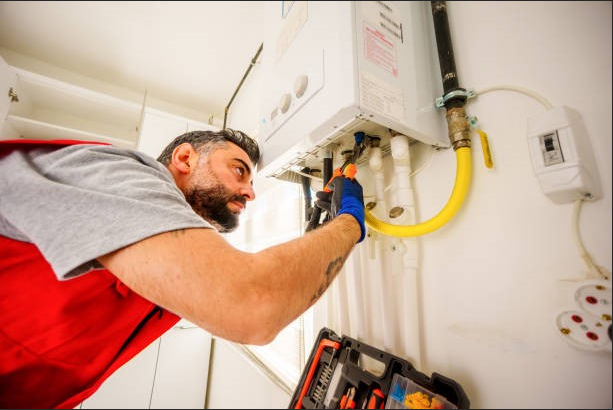
If your heater sounds like popcorn or your shower runs cold too fast, timing is probably the issue, not just the heater. Most homeowners wait for failure due to water hardness, usage spikes, and seasonal demand.
Instead of yearly guesswork, smart electric water heater service intervals can reduce sediment buildup, eliminate rumbling noises, and speed up recovery time.
In this blog, you’ll learn interval strategies that match how your home actually uses hot water.
Key Takeaways
- Service timing beats service frequency; match intervals to usage, not the calendar.
- Sediment noise is an early warning, not a “normal” tank sound.
- Faster recovery comes from clean heating elements, not higher thermostat settings.
Electric Water Heater Service Intervals That Help Prevent Sediment Noise and Slow Recovery
- Micro-Flush Every Quarter
Most technicians say “flush once a year,” but that’s outdated for homes with medium- to hard-water. A quarterly micro-flush, just draining a few gallons, keeps sediment from compacting into a rock-like layer. That layer is what causes the popping noise and blocks heat transfer.
Think of it like brushing your teeth instead of waiting for a dentist visit. This simple tweak to the electric water heater service routine reduces stress on heating elements and keeps recovery times consistent. Homes with heavy use (big families or frequent laundry cycles) benefit the most from this lighter, more frequent approach.
- Element Check Twice Yearly
Electric heaters rely on heating elements, and sediment loves to cling to them. A twice-a-year inspection catches early scaling before it becomes a performance killer. When buildup coats the element, it works harder, heats up more slowly, and wears out faster.
Technicians from companies like Reliable Pipe Repair often find that slow recovery isn’t about tank size, it’s about element efficiency. A quick check during routine plumbing installation upgrades or maintenance visits can save you from costly replacements. Clean elements heat faster, use less energy, and eliminate that annoying lag between showers.
- Anode Rod Timing Shift
Here’s a trick most blogs skip: don’t just replace the anode rod every 3–5 years, adjust based on water chemistry. If your home has softened water, the rod can degrade more quickly and may need earlier checks, sometimes every 2 years.
Why does it matter? A worn-out anode rod accelerates corrosion, which creates fine sediment that contributes to noise and inefficiency. Pairing this with bathroom drain repair or other plumbing updates is a smart move since a pro is already on-site. It’s a small adjustment that extends tank life and keeps performance steady.
- Post-Repair Service Reset
After any major plumbing work, like ceiling leak repair or pipe replacements, your water system shifts. Debris and air pockets can enter the heater, changing how sediment settles inside the tank.
That’s why experts recommend resetting your electric water heater service schedule after repairs. Run a flush within 2–4 weeks post-repair to clear out any introduced particles. This step is often overlooked but makes a noticeable difference in noise reduction and heating speed. It’s like recalibrating your system after a disruption.
- High-Demand Season Prep
Think beyond maintenance, think timing. Before winter or holiday seasons, when hot water demand spikes, schedule a targeted service. This ensures your heater isn’t already struggling when usage increases.
Households that do frequent kitchen faucet repair often see demand shifts, too. A pre-season check prevents slow recovery during peak times. According to the U.S. Department of Energy, water heating accounts for about 18% of home energy use, so efficiency improvements here have a real impact. Strategic timing keeps your system quiet, fast, and cost-effective.
Conclusion
Waiting for strange sounds or cold showers is like ignoring a check engine light; it only gets worse. The right electric water heater service intervals aren’t about doing more work; they’re about doing it at the right time. From micro-flushing to seasonal prep, these smarter strategies reduce sediment, protect components, and keep recovery times quick.
When your system runs quietly and efficiently, you’ll notice the difference every day. A little planning now saves you from bigger repairs later and keeps your home running the way it should: smoothly, steadily, and stress-free.
FAQs
How do I know if sediment is causing the noise?
If you hear popping or rumbling during heating cycles, it’s likely sediment. A quick flush can confirm it; if the noise reduces, the buildup was the issue.
Can plumbing issues affect my water heater’s performance?
Yes. Problems like hidden leaks or plumbing-related pressure changes can shift sediment patterns and affect heating efficiency.
Is slow recovery always a heater problem?
Not always. It can also be linked to system-wide issues, such as partial blockages or delayed flow caused by complications during bathroom drain repairs, which can affect usage patterns.