
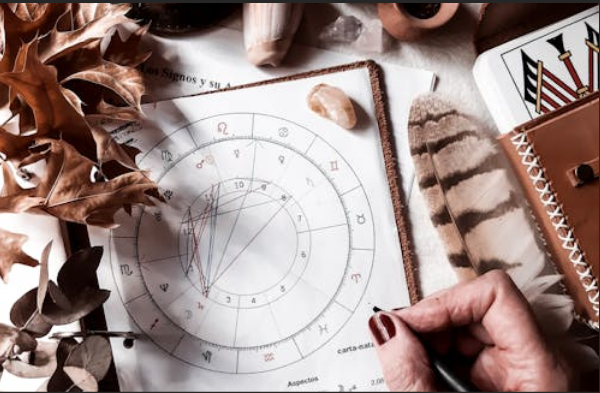
Many people today judge relationships through quick zodiac posts or app-based summaries. That approach often blurs compatibility myths vs reality, making relationships seem simpler than they are. In truth, synastry looks deeper by comparing two full charts, not just surface traits. Whether someone starts with a horoscope reading or explores deeper tools, the real value lies in understanding patterns rather than labels. This guide breaks down what expert-backed insights actually show.
Key Takeaways
Here are a few core ideas to keep in mind before diving deeper:
- Synastry compares full birth charts, not just sun signs.
- One aspect alone cannot define relationship success.
- Tension in charts can support growth, not just conflict.
- Patterns matter more than predictions in relationship analysis.
- Real-life behavior always shapes outcomes beyond charts.
Compatibility Myths vs Reality: What Experts Actually Say About Relationship Astrology
Myth 1: “Same Sun Sign = Perfect Match”
Reality:
People often assume matching sun signs means instant harmony. In reality, emotional connection depends on deeper factors, such as emotional needs and communication styles. Astrologers and relationship researchers often note that compatibility is shaped more by shared values, lifestyle, and emotional understanding than by simple trait matching.
Myth 2: “Only Love Compatibility Matters”
Reality:
Relationships involve communication, emotional safety, and shared habits. Growing interest in topics like communication compatibility reflects a broader view of compatibility myths vs. reality, showing that real compatibility includes daily interaction, not just attraction.
Myth 3: “Synastry Can Predict Breakups or Marriage”
Reality:
No chart can predict exact outcomes. In practice, astrology consultations are used more for guidance than for fixed answers, helping people understand patterns in behavior, communication, and emotions and offering clarity about relationships rather than control over final outcomes.
Myth 4: “Bad Aspects Mean a Doomed Relationship”
Reality:
Challenging aspects like squares or oppositions are often viewed negatively, but they primarily highlight areas of tension, not failure. In real relationships, disagreements are common even in stable partnerships, which aligns with astrologers’ view of these aspects as points that require effort. Interest in these patterns also grows during major astrology events, reflecting a shift toward understanding complexity.
Myth 5: “Certain Planetary Combinations Guarantee Marriage”
Reality:
Research does not support fixed formulas. The Astro Investigators’ study found no single planetary aspect consistently linked to marriage outcomes. A natal chart reading combined with synastry gives better context, but still cannot guarantee long-term success.
Myth 6: “Synastry Works Through Fixed Rules”
Reality:
Experts do not follow strict rules. The same aspect can play out differently depending on the full chart. This is where the gap between compatibility myths vs. reality becomes clear, since simplified rules often ignore context and real-life behavior.
What You Can Really Learn from a Synastry Chart
Instead of fixed answers, synastry helps you understand how two people interact on multiple levels.
Here are the key insights it can offer:
- Emotional response patterns between partners through Moon connections.
- Attraction styles and chemistry shown by Venus and Mars dynamics.
- Communication habits based on Mercury interactions.
- Conflict triggers and stress points linked to Mars and Saturn.
- Long-term responsibility and commitment themes influenced by Saturn.
- Deep emotional impact and intensity through Pluto aspects.
- Areas of life influence through house overlays.
- Repeating relationship patterns that may show up over time.
- Strengths that support stability when both people are aware.
Basically, understanding patterns becomes more useful than chasing perfect matches.
Conclusion
In the end, relationships are shaped by more than charts alone. Understanding compatibility myths vs reality helps shift focus from fixed beliefs to real patterns. Synastry offers insight into how people connect, communicate, and grow together. Still, no chart replaces effort, trust, or shared experiences. When used wisely, astrology becomes a guide for awareness, not a rulebook for decisions.
FAQs
- Is synastry accurate for relationships?
It can explain patterns and dynamics, but it does not guarantee outcomes. Understanding compatibility myths vs reality helps people use it as a guide, not a final answer.
- Can synastry predict soulmates?
No. Synastry shows how people interact, not whether they are destined. Even strong charts need effort and communication.
- What is the difference between a horoscope reading and synastry?
It focuses on one person, while synastry compares two charts to study interaction patterns between them.
- Should I rely on astrology before starting a relationship?
It can help you understand tendencies, but real-life behavior matters more. Even expert astrology consultation focuses on awareness, not decisions.
- Why is there confusion around compatibility myths vs reality?
Because simplified online content often ignores deeper chart analysis. Learning the difference between compatibility myths vs. reality helps avoid unrealistic expectations.