
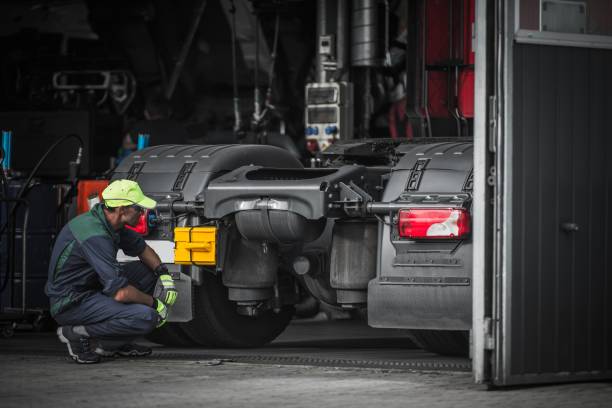
Modern diesel compliance programs help commercial transportation companies maintain emissions standards, reduce environmental impact, and support reliable fleet performance. Heavy duty diesel vehicles operate under strict environmental regulations that require routine inspections, preventive maintenance, and emissions monitoring to confirm compliance with state and federal requirements.
Transportation businesses increasingly prioritize emissions readiness because failed inspections may create costly operational delays and compliance penalties. Fleet operators commonly rely on maintenance planning, diesel diagnostics, and organized inspection schedules to support smoother operations throughout demanding transportation cycles. JTD Clean Truck assists commercial vehicle operators through emissions related support focused on inspection preparation, maintenance awareness, and diesel system performance management for heavy duty commercial fleets.
Key Takeaways
- Preventive maintenance supports emissions compliance readiness.
- Diesel diagnostics help identify developing system failures.
- Organized inspections may reduce fleet operational delays.
- Cleaner diesel systems support long term reliability.
- Emissions regulations continue expanding across transportation industries.
Commercial transportation companies now recognize that emissions management directly affects operational consistency and regulatory compliance.
Why Diesel Emissions Standards Continue Expanding
Environmental agencies continue strengthening diesel emissions requirements because commercial transportation contributes significantly to air pollution across industrial and urban regions. Heavy duty trucks release pollutants such as particulate matter and nitrogen oxides, which regulatory programs closely monitor through inspection systems and compliance testing.
Recent environmental data shows measurable reductions in diesel pollution levels following stricter emissions regulations and improved engine technologies. Transportation companies increasingly adopt maintenance focused strategies because emissions related violations may interrupt operations while increasing operational expenses and repair costs.
Compliance planning has become an important part of fleet management.
Common Problems Affecting Diesel Emissions Systems
- Damaged diesel particulate filters restricting airflow.
- Excessive exhaust smoke caused by engine issues.
- Faulty sensors affecting diagnostic system accuracy.
- Delayed servicing reducing engine combustion quality.
- Malfunctioning exhaust gas recirculation components.
Early maintenance often reduces inspection related complications and repair expenses.
How Preventive Maintenance Supports Commercial Fleet Stability
Heavy duty commercial vehicles operate under demanding conditions involving long mileage routes, continuous engine usage, and heavy cargo transportation. Without structured maintenance schedules, diesel systems may gradually develop performance issues that affect emissions output and inspection readiness.
Fleet operators increasingly perform diagnostics, exhaust evaluations, and engine inspections before scheduling a carb clean truck check because preparation frequently improves compliance outcomes. Preventive maintenance additionally helps transportation businesses reduce operational interruptions caused by unexpected emissions related failures.
Routine servicing often supports stronger long term vehicle reliability.
Why Diagnostic Evaluations Matter Before Inspections
Modern commercial trucks contain advanced electronic monitoring systems designed to track diesel engine performance and emissions conditions continuously. These onboard diagnostics identify warning indicators that may signal developing mechanical problems before inspections occur.
Transportation industry reports continue showing that fleets using proactive diagnostic evaluations frequently experience fewer emissions related compliance issues. Diagnostic reviews commonly detect sensor malfunctions, airflow restrictions, fuel system inefficiencies, and exhaust performance concerns before they develop into larger operational disruptions.
Advanced diagnostics now remain an important compliance management tool.
Important Maintenance Practices Supporting Inspection Readiness
- Inspect dashboard warning lights regularly.
- Review exhaust system performance consistently.
- Monitor diesel smoke output during operations.
- Maintain organized service history documentation.
- Schedule maintenance before compliance deadlines approach.
Consistent preparation habits commonly improve inspection readiness and fleet reliability.
How Fleet Planning Reduces Operational Delays
Commercial transportation businesses often operate under strict schedules involving regional freight movement, industrial hauling, and logistics coordination. Failed emissions inspections may interrupt these operations while increasing downtime and compliance related expenses.
Fleet managers increasingly develop structured maintenance calendars that align servicing schedules with inspection deadlines. Organized planning frequently supports smoother transportation operations while helping commercial operators maintain dependable scheduling across demanding business environments.
Maintenance awareness additionally helps improve long term operational consistency.
Operational Habits Supporting Better Diesel Performance
- Address engine concerns without unnecessary delays.
- Monitor fuel system performance consistently.
- Review compliance schedules throughout the year.
- Train drivers to report unusual vehicle behavior.
- Inspect filters and exhaust components regularly.
Strong maintenance habits may reduce unexpected emissions related interruptions.
What Commercial Operators Should Evaluate Before Scheduling Testing
Several important factors influence emissions inspection readiness for heavy duty commercial trucks. Vehicle mileage, maintenance history, engine condition, previous inspection outcomes, and exhaust system performance all contribute to compliance evaluations.
Transportation companies often review maintenance documentation several weeks before official inspections to identify unresolved issues. Organized preparation commonly reduces downtime while supporting smoother compliance experiences for commercial fleets operating under strict transportation demands.
Preventive planning frequently helps reduce operational disruptions.
Conclusion
Diesel compliance programs continue serving an important role in modern commercial transportation because environmental regulations increasingly focus on cleaner fleet operations and reduced emissions output. Preventive maintenance, organized inspection preparation, and advanced diagnostic evaluations all contribute to smoother compliance experiences and improved operational reliability. Transportation businesses increasingly recognize that emissions readiness supports both environmental responsibility and long term fleet performance. Consistent servicing strategies commonly help reduce downtime, improve inspection outcomes, and maintain dependable diesel operations throughout demanding transportation environments.
Professional Emissions Support For Heavy Duty Commercial Fleets
Commercial transportation companies often require dependable emissions related support to maintain inspection readiness and operational stability. Diesel diagnostics, preventive maintenance planning, and emissions evaluations commonly help fleet operators reduce compliance concerns while supporting smoother business operations. Experienced emissions professionals additionally assist transportation companies in identifying developing system issues before official inspections occur. Organized maintenance planning frequently supports cleaner diesel performance, reduced operational interruptions, and stronger long term reliability for heavy duty commercial vehicle fleets operating across freight and industrial transportation sectors.
Frequently Asked Questions
Why are diesel emissions inspections required for commercial trucks?
These inspections help confirm that commercial vehicles operate within environmental compliance standards while reducing harmful pollution output.
What commonly causes emissions inspection failures?
Common causes include clogged filters, excessive smoke output, faulty sensors, and unresolved diagnostic warning indicators.
How often should emissions related systems receive servicing?
Many transportation companies inspect emissions systems during scheduled preventive maintenance programs throughout the year.
Why do commercial fleets prioritize inspection preparation?
Preparation may reduce operational delays, improve compliance readiness, and support smoother transportation scheduling.
Can diagnostics improve emissions compliance outcomes?
Diagnostic evaluations often identify developing engine and exhaust issues before official inspections take place.