Installing household appliances correctly is essential for ensuring safety, efficiency, and long-term performance. Whether you’re setting up a new refrigerator, washing machine, dishwasher, or oven, proper installation can prevent costly repairs and extend the life of your appliances. This guide will walk you through the key aspects of household appliance installation and why it matters for every home.
Why Proper Appliance Installation Matters
Household appliances are significant investments, and improper installation can lead to serious issues such as leaks, electrical hazards, or reduced efficiency. For example, a poorly installed washing machine may vibrate excessively, while an incorrectly connected gas stove could pose safety risks. Proper installation ensures that appliances operate at peak performance and comply with manufacturer guidelines.
Additionally, many warranties require professional or correct installation. Failing to follow instructions may void coverage, leaving you responsible for repair costs.
Preparing for Appliance Installation
Before installing any appliance, preparation is key. Start by carefully reading the manufacturer’s manual. Each appliance comes with specific requirements regarding space, ventilation, electrical connections, and plumbing.
Measure the installation area to ensure the appliance fits comfortably. Check that all necessary connections—such as water supply lines, drainage systems, and electrical outlets—are accessible and compatible. It’s also wise to inspect the condition of existing connections to avoid future problems.
Gather the required tools beforehand. Common tools include screwdrivers, wrenches, levelers, and measuring tape. Having everything ready will make the process smoother and more efficient.
Installing Common Household Appliances
1. Refrigerators
Refrigerator installation involves positioning the unit on a level surface and ensuring proper ventilation. Leave enough space around the appliance for airflow. If the refrigerator has a water dispenser or ice maker, connect it securely to the water supply line and check for leaks.
2. Washing Machines
Washing machines require both water supply and drainage connections. Ensure the hoses are tightly secured and not kinked. Leveling the machine is crucial to prevent excessive vibration during operation. Most machines come with adjustable feet to help achieve balance.
3. Dishwashers
Dishwasher installation involves connecting water supply lines, drainage hoses, and electrical wiring. Make sure the unit is properly aligned with cabinetry and secured in place to prevent movement. Testing for leaks after installation is essential.
4. Ovens and Stoves
For electric ovens, ensure the power supply matches the appliance’s requirements. Gas stoves require extra caution—connections must be tightly sealed, and it’s advisable to test for gas leaks using a safe detection method. Proper ventilation is also critical when installing cooking appliances.
Safety Considerations
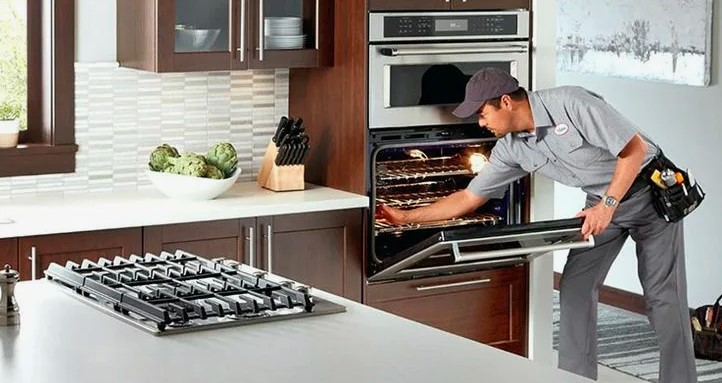
Safety should always be a top priority during Oven repair service in my area. Turn off power or water supply before starting any installation. Use appropriate safety gear if needed, and never attempt to handle complex electrical or gas connections without proper knowledge.
If you are unsure about any step, hiring a professional installer is a wise decision. Certified technicians have the expertise to handle installations safely and efficiently, reducing the risk of accidents.
Benefits of Professional Installation
While DIY installation can save money upfront, professional installation offers several advantages. Experts ensure that appliances are installed according to manufacturer specifications and local regulations. They can also identify potential issues before they become major problems.
Professional installers often provide warranties or service guarantees, giving you peace of mind. Additionally, they save time and effort, allowing you to enjoy your new appliance without stress.
Maintenance After Installation
Once your appliance is installed, regular maintenance is essential. Clean filters, inspect connections, and follow recommended servicing schedules. Proper care not only improves performance but also extends the lifespan of your appliances.
For example, cleaning a dishwasher’s filter regularly prevents clogging, while checking washing machine hoses can help avoid leaks. Simple maintenance steps can make a significant difference over time.
FAQs
1. Can I install household appliances by myself?
Yes, many appliances can be installed by homeowners if they follow the manufacturer’s instructions carefully. However, for complex installations involving gas or electrical work, professional help is recommended.
2. How long does appliance installation take?
Installation time varies depending on the appliance. Simple installations like refrigerators may take under an hour, while dishwashers or built-in ovens can take several hours.
3. Do I need special tools for appliance installation?
Basic tools such as screwdrivers, wrenches, and a level are usually sufficient. Some appliances may require specialized tools, which are often listed in the manual.
4. Is professional installation worth the cost?
Yes, especially for complex appliances. Professional installation ensures safety, proper functioning, and may protect your warranty.
5. What should I do if my appliance isn’t working after installation?
Check all connections and ensure the appliance is properly plugged in or connected. If the issue persists, consult the manual or contact a professional technician.
Conclusion
Household appliance installation is a crucial step that directly impacts the performance, safety, and longevity of your appliances. Taking the time to prepare, follow instructions, and prioritize safety can make the process smooth and effective. While DIY installation is possible for many appliances, professional assistance is often the best choice for complex setups. By ensuring proper installation and ongoing maintenance, you can enjoy reliable and efficient appliances for years to come.