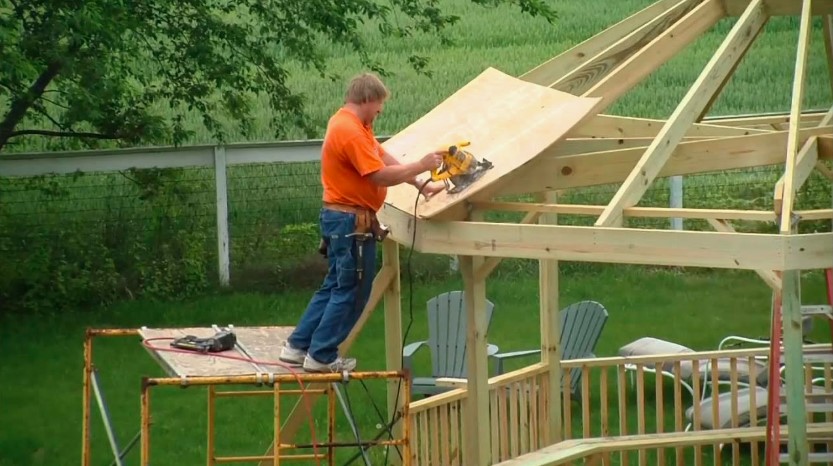
Building an outdoor gazebo is one of the most rewarding ways to enhance your backyard. Not only does it add aesthetic appeal, but it also creates a functional space for relaxation, gatherings, or even outdoor dining. Whether you’re a DIY enthusiast or planning to hire professionals, understanding the basics of outdoor gazebo construction can help you make informed decisions and achieve the best results.
Why Build an Outdoor Gazebo?
An outdoor gazebo serves as a focal point in your yard. It provides shade, protection from light rain, and a cozy environment for social activities. Beyond functionality, a well-designed gazebo increases property value and adds architectural interest to your landscape.
Homeowners often choose gazebos to create a retreat-like atmosphere. With the right design, it can become a peaceful escape for reading, meditating, or enjoying nature without leaving your home.
Planning Your Gazebo Construction
Before starting construction, proper planning is essential. Begin by determining the purpose of your gazebo. Will it be used for entertaining guests, hosting outdoor meals, or simply relaxing? Your intended use will influence its size, design, and location.
Next, choose the right spot in your yard. Look for a level area with good drainage and consider how the gazebo will interact with sunlight and wind patterns. Accessibility is also important—placing it near your home can make it more convenient to use.
You should also check local building codes and permit requirements. Some areas have restrictions on structure size, height, or placement, so it’s crucial to stay compliant.
Choosing the Right Materials
Material selection plays a major role in the durability and appearance of your gazebo. Common options include:
- Wood: A popular choice for its natural look and versatility. Cedar and redwood are especially durable and resistant to insects.
- Metal: Aluminum or steel gazebos offer a modern aesthetic and require less maintenance.
- Vinyl: Known for its low maintenance and weather resistance, vinyl is a practical option for long-term use.
Each material has its pros and cons, so consider your budget, climate, and maintenance preferences when making a decision.
Designing Your Gazebo
Design is where creativity comes into play. Gazebos come in various shapes, including octagonal, rectangular, and circular. Traditional designs often feature intricate railings and pitched roofs, while modern styles lean toward minimalism.
Consider adding features like built-in seating, lighting, or even mosquito netting. Roofing materials such as shingles, metal panels, or fabric can further customize the look and functionality of your structure.
Step-by-Step Construction Process
While the specifics may vary depending on design, the general construction process includes:
- Foundation Preparation: A solid foundation is crucial. Options include concrete slabs, wooden decks, or gravel bases.
- Framing: Build the structural frame using your chosen material. This includes posts, beams, and roof supports.
- Roof Installation: Attach the roof panels or shingles, ensuring proper alignment and weatherproofing.
- Flooring: Install the floor if your design includes one. Wood decking is a common choice.
- Finishing Touches: Add railings, paint or stain, and decorative elements.
Safety should always be a priority. Use proper tools, follow instructions carefully, and consider professional help for complex designs.
Maintenance Tips
To keep your gazebo in top condition, regular maintenance is necessary. Wooden structures should be sealed or stained periodically to prevent weather damage. Metal gazebos may need rust protection, while vinyl structures benefit from occasional cleaning.
Inspect your gazebo for loose screws, cracks, or wear and tear, especially after extreme weather. Routine care will extend its lifespan and preserve its appearance.
Benefits of Professional Installation
While DIY construction can be fulfilling, hiring professionals ensures precision and efficiency. Experts bring experience, proper tools, and knowledge of local regulations. This can save time and reduce the risk of costly mistakes.
Professional builders can also help customize your gazebo to match your home’s architecture and landscape design, delivering a polished final product.
FAQs
1. How long does it take to build an outdoor gazebo?
The timeline varies depending on size and complexity. A simple gazebo can take a few days, while larger or custom designs may take several weeks.
2. Do I need a permit to build a gazebo?
In many areas, yes. It’s important to check local regulations before starting construction to avoid fines or legal issues.
3. What is the best material for a gazebo?
Wood is ideal for a natural look, while metal and vinyl offer durability and low maintenance. The best choice depends on your needs and environment.
4. Can I build a gazebo myself?
Yes, many homeowners successfully build their own gazebos. However, it requires basic construction skills and the right tools.
5. How much does it cost to build a gazebo?
Costs can range from a few hundred dollars for DIY kits to several thousand for custom-built structures.
Conclusion
A Full House Renovation Expert construction is a valuable investment that enhances both the beauty and functionality of your outdoor space. With careful planning, the right materials, and thoughtful design, you can create a structure that serves as a centerpiece for relaxation and entertainment. Whether you choose a DIY approach or hire professionals, a well-built gazebo will provide enjoyment for years to come while adding lasting value to your property.