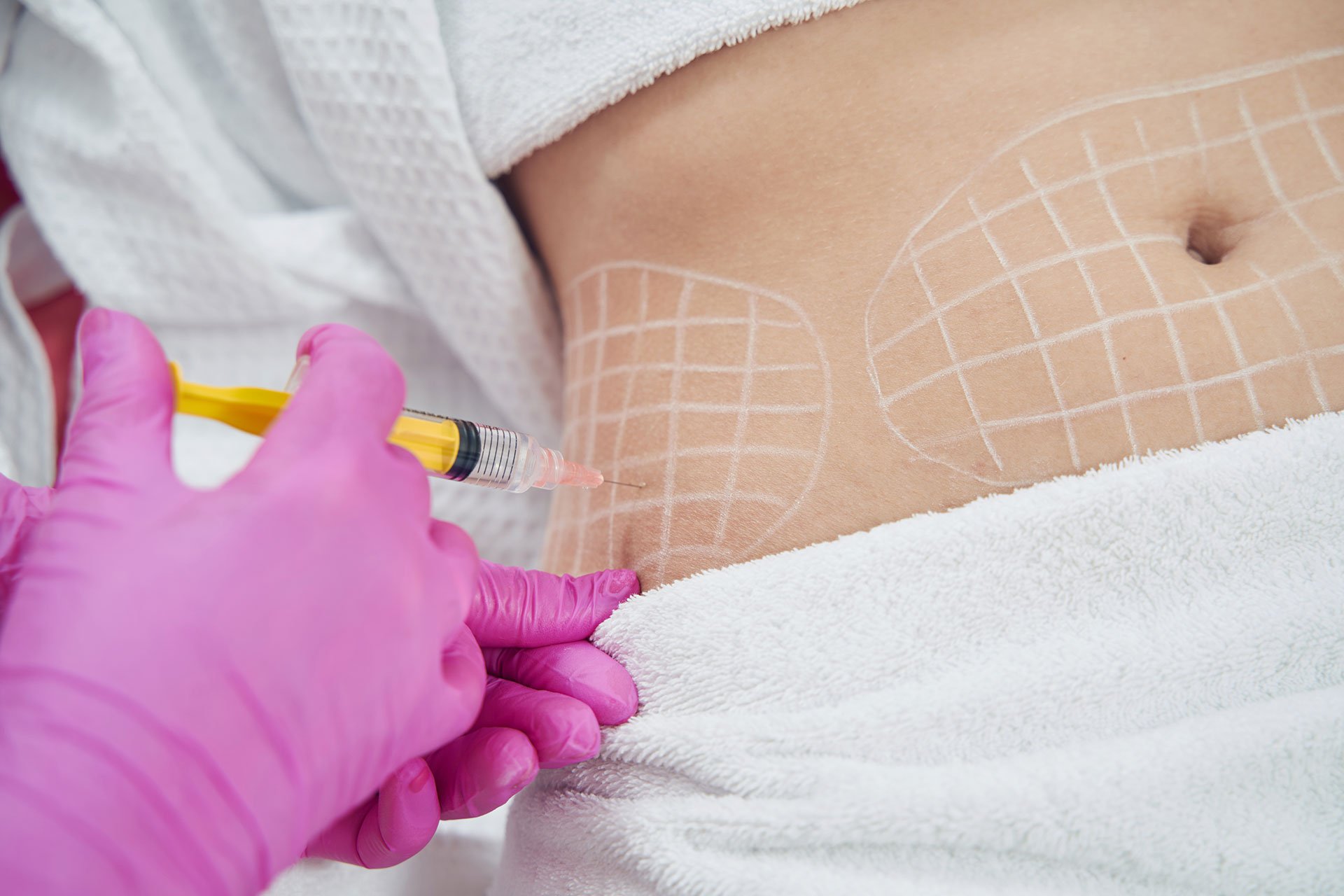
Fat-melting injections, scientifically known as injection lipolysis, have emerged as a significant advancement in the field of non-surgical body contouring. Unlike traditional methods that require invasive surgical intervention, these treatments offer a way to target localized fat deposits through a series of specialized injections. This guide explores the mechanism, effectiveness, and evolution of this technology for those looking to refine their silhouette without the downtime associated with more intensive procedures.
The process involves the administration of a solution, often containing deoxycholic acid or similar compounds, directly into the subcutaneous fat layer. This substance works by disrupting the cell membrane of adipocytes (fat cells). Once the membrane is compromised, the fat cell breaks down, and the body’s lymphatic system naturally processes and eliminates the released lipids over several weeks. Finding quality Fat Melting Injections in Abu Dhabi has become a priority for individuals seeking to address stubborn areas like the chin, abdomen, or thighs that remain resistant to diet and exercise.
Understanding the Mechanism of Action
The Science of Lipolysis
At its core, the treatment utilizes the body’s own biological processes to reduce fat. Deoxycholic acid is a naturally occurring molecule in the body that aids in the breakdown and absorption of dietary fat. When used in a concentrated injectable form, it targets fat cells specifically, causing them to liquefy.
Target Areas and Precision
One of the primary benefits of this method is its precision. It is designed for “spot reduction,” meaning it targets small, stubborn pockets of fat rather than providing overall weight loss. Common areas for treatment include:
- Submental fullness (the “double chin”)
- Upper arms (the “bat wing” area)
- Abdominal pouches
- Inner and outer thighs
- Bra-line fat
The Body’s Natural Clearance
After the injections are administered, the body enters a phase of metabolic clearance. The immune system sends macrophages to the site to clear away the cellular debris. The fatty acids are then transported to the liver and excreted, ensuring that the results appear gradually and naturally over time.
The Evolution of Non-Surgical Rejuvenation
From Discovery to Modern Application
The concept of using injectables to dissolve fat dates back several decades, but early iterations were often inconsistent. Modern advancements have led to highly refined formulas that are more stable and predictable. These contemporary solutions are formulated to minimize discomfort and maximize the uniformity of the fat reduction.
Technological Advancements in Formulations
Today’s injections are often combined with buffering agents to enhance the patient experience. The focus has shifted from merely “dissolving fat” to ensuring that the surrounding skin remains healthy and that the contours created are smooth and aesthetically pleasing.
How Safe Are Modern Fat-Melting Injections?
Regulatory Standards and Testing
Safety is the cornerstone of modern aesthetic medicine. Leading fat-melting solutions have undergone extensive clinical trials to meet international standards. These studies evaluate the long-term impact on the body and ensure that the primary ingredient effectively targets fat without harming non-fatty tissues like muscle or nerve fibers.
Professional Administration Protocols
Safety is also tied to the protocol of administration. Practitioners are trained to map the treatment area precisely, ensuring the depth of the injection is perfectly calibrated to the subcutaneous layer. This precision prevents the solution from affecting the skin’s surface or deeper structures.
Patient Selection and Suitability
A significant part of the safety profile involves identifying the right candidate. These injections are safest and most effective for individuals who are near their ideal body weight but have specific “problem areas.” By screening for overall health and specific metabolic conditions, providers ensure the body can efficiently process the treated fat.
The Treatment Experience: What to Expect
Consultation and Mapping
The process begins with a detailed assessment of the adipose tissue. The provider will mark the area to create a grid, ensuring the solution is distributed evenly. This prevents “lumping” and ensures a symmetrical, natural-looking result.
The Injection Process
The treatment typically involves multiple small injections using very fine needles. Because the needles are so small, the sensation is often described as a mild stinging or warmth. The session is usually quick, often completed in under thirty minutes, making it a popular “lunchtime” procedure.
Recovery and Natural Progression
Since the treatment is non-invasive, there is no “recovery” in the traditional sense. Most individuals can return to their daily activities immediately. However, the body needs time to do its work. Results are not instantaneous; they typically begin to show after 4 to 6 weeks, with full results visible after a series of sessions.
Long-Term Results and Maintenance
Permanence of Fat Cell Removal
One of the most appealing aspects of this treatment is that once a fat cell is destroyed, it cannot store fat again. Unlike weight loss through diet, where fat cells simply shrink, injection lipolysis actually reduces the number of cells in the treated area.
The Importance of Lifestyle
While the results are technically permanent, maintaining them requires a stable lifestyle. If a person gains a significant amount of weight, the remaining fat cells in the body can still expand. To keep the new contours sharp, a balanced diet and regular physical activity are highly recommended.
Progressive Improvement
Most people require between two and four sessions to achieve their desired aesthetic goal. Each session builds upon the last, gradually thinning the fat layer and allowing the skin to retract naturally over the new, slimmer shape.
Comparing Injections to Other Contouring Methods
Injections vs. Cryolipolysis (Fat Freezing)
While fat freezing uses cold temperatures to kill fat cells, injections use a chemical approach. Injections are often preferred for smaller, more delicate areas like the neck or jawline where a bulky cooling applicator might not fit properly.
Injections vs. Heat-Based Lasers
Laser-based fat reduction uses thermal energy to disrupt cells. While effective, injections offer a different level of tactile control for the practitioner, allowing them to manually “sculpt” the area by placing the solution exactly where the fullness is most prominent.
Common Considerations for Interested Individuals
Managing Expectations
It is vital to understand that fat-melting injections are not a treatment for obesity. They are a contouring tool. Understanding that the changes will be subtle and gradual helps in achieving high satisfaction with the end result.
Skin Elasticity
The best results are seen in individuals with good skin elasticity. As the fat dissolves, the skin needs to be able to “snap back” over the new contour. Modern techniques often focus on areas where the skin is naturally thicker and more resilient to ensure a smooth finish.
Summary of Key Information
- Targeted Action: The treatment specifically breaks down fat cell membranes in localized areas.
- Natural Elimination: The body’s lymphatic system is responsible for flushing out the treated fat over several weeks.
- Precision Tool: Ideal for small areas like the chin, bra-fat, and inner knees.
- Safety Profile: Based on naturally occurring substances and rigorous clinical testing.
- Durability: Fat cells are permanently removed, though lifestyle maintenance is required.
- Non-Surgical: Offers a solution for those wishing to avoid anesthesia and surgical scars.
Frequently Asked Questions
1. How long does it take to see the final results? While some changes may be noticed within a month, the most significant results typically appear 8 to 12 weeks after the final session. This timeline allows the body to fully metabolize the destroyed cells and for the inflammatory response to subside, revealing the new contour.
2. Is there any downtime required after the sessions? There is virtually no downtime. Most people return to work or their social lives immediately after the appointment. While you might feel some tenderness in the treated area, it does not typically interfere with standard daily activities or light exercise.
3. How many sessions are usually needed for the best outcome? The number of sessions varies depending on the thickness of the fat layer and the individual’s goals. On average, 2 to 4 sessions spaced about 4 to 6 weeks apart are recommended to achieve a visible and lasting transformation.
4. Can these injections be used for weight loss? No, these injections are strictly for body contouring and fat reduction in specific areas. They are designed to remove pockets of fat that are resistant to traditional weight loss methods, rather than reducing overall body weight or treating obesity.