Receding hairlines are a common concern for many individuals, affecting both appearance and confidence. PRP Hair Treatment Abu Dhabi, or Platelet-Rich Plasma (PRP) therapy, has gained attention as a non-surgical approach to address hair thinning, including areas where the hairline has started to recede. Understanding how PRP therapy interacts with hair follicles along the hairline is essential for evaluating its potential effectiveness.
Understanding Receding Hairlines
A receding hairline typically begins at the temples or the frontal scalp, creating a noticeable change in the shape of the hairline. This pattern of hair loss is often gradual and can progress over time if left unaddressed. Hair follicles in these areas may become weaker, thinner, or dormant, which slows the natural hair growth cycle.
PRP hair treatment is designed to target these weakened follicles by using growth factors derived from the patient’s own blood. The goal is to stimulate follicular activity and encourage new hair growth, potentially restoring some fullness along the hairline.
How PRP Targets Hair Follicles
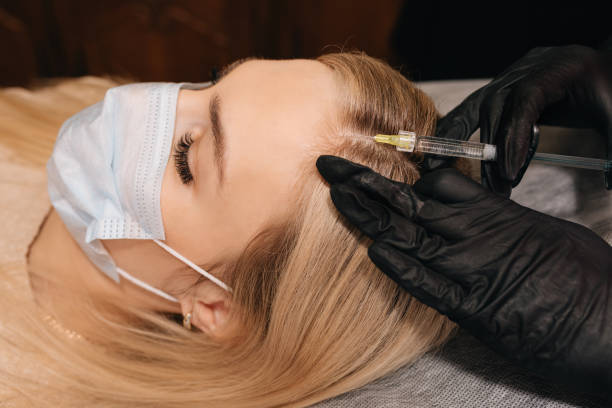
PRP therapy works by concentrating platelets, which are rich in growth factors, and injecting them into the scalp. These growth factors can revitalize dormant hair follicles, improve blood supply to the scalp, and enhance the overall environment necessary for hair growth.
For receding hairlines, the treatment focuses on areas where follicles are still present but weakened. PRP encourages these follicles to re-enter the growth phase, helping to improve density and thickness along the hairline.
Effectiveness for Early vs. Advanced Recession
The effectiveness of PRP therapy often depends on the stage of hairline recession. Individuals with early-stage thinning typically see more noticeable improvements because many hair follicles are still active but underperforming. PRP can stimulate these follicles, leading to new growth and thicker strands.
In cases of advanced hairline recession, where follicles have been inactive for a long period, PRP may have limited ability to regenerate hair. While it can still enhance scalp health and improve existing hair quality, complete restoration may not always be achievable.
Timeline for Visible Results
Visible results from PRP hair treatment on receding hairlines usually require multiple sessions. Initial improvements, such as reduced hair shedding or slight thickening, may appear within a few weeks. More substantial changes in hair density and coverage along the hairline generally become noticeable after several months of consistent treatment.
Patience is essential, as hair growth is a gradual process. Cumulative effects from repeated sessions are often necessary to achieve meaningful improvements in receding areas.
Benefits Beyond Hair Growth
PRP therapy does more than just stimulate new hair. It also strengthens existing hair and improves scalp health. Follicles along the hairline become more resilient, reducing breakage and enhancing hair texture. The growth factors present in PRP promote better circulation and tissue repair, creating an environment that supports long-term follicle activity.
These benefits can make hair along the receding hairline appear fuller and healthier, even if complete regrowth is not achieved in every case.
Factors Influencing PRP Success
Several factors affect how well PRP works on receding hairlines. Age, genetics, and the degree of hairline recession play major roles in determining results. The density and health of remaining hair follicles are also critical. Individuals with more active follicles along the hairline tend to respond better to treatment.
Lifestyle factors, including nutrition, stress management, and hair care routines, can influence overall effectiveness. Maintaining a healthy scalp environment enhances the impact of PRP therapy.
Maintenance and Long-Term Considerations
PRP hair treatment is not a one-time solution. After the initial series of sessions, maintenance treatments are typically recommended to sustain the benefits. Regular follow-ups help ensure that the hairline continues to receive stimulation and that new growth is maintained.
Consistency in treatment is key to long-term success. Over time, periodic PRP sessions can help preserve density, strengthen hair, and slow further recession.
Setting Realistic Expectations
While PRP can be effective in addressing receding hairlines, it is important to have realistic expectations. Results vary among individuals and depend on factors such as follicle activity and the extent of hair loss. PRP is most effective for early intervention and may be less impactful on areas where follicles have been inactive for an extended period.
Understanding that improvements are gradual and cumulative helps in maintaining patience and evaluating progress accurately.
Monitoring Progress
Tracking changes in the hairline after PRP sessions is helpful for assessing treatment effectiveness. Individuals may notice gradual improvements in density, reduced shedding, and healthier hair texture. Photographs or close observation can provide a clear view of progress over time.
Regular monitoring allows for adjustments to the treatment plan, ensuring that the therapy continues to meet expectations and maximize hairline improvement.
FAQs About PRP Hair Treatment for Receding Hairlines
Can PRP restore a fully receded hairline?
PRP works best on areas with active or dormant follicles. It may not fully restore hair in areas where follicles are permanently inactive, but it can enhance the health and thickness of existing hair along the hairline.
How soon can changes be noticed?
Initial improvements, like reduced shedding and slight thickening, may appear within weeks. Significant changes typically occur after multiple sessions over several months.
Is early treatment more effective?
Yes. The earlier PRP is applied to a receding hairline, the more follicles are available for stimulation, increasing the likelihood of noticeable growth.
How often should maintenance sessions occur?
Maintenance schedules vary based on individual response. Periodic sessions help sustain results and support ongoing follicle activity.
Does PRP improve hair quality as well as density?
Yes. In addition to stimulating growth, PRP strengthens existing strands, improves texture, and enhances scalp health, contributing to a fuller and healthier appearance.