
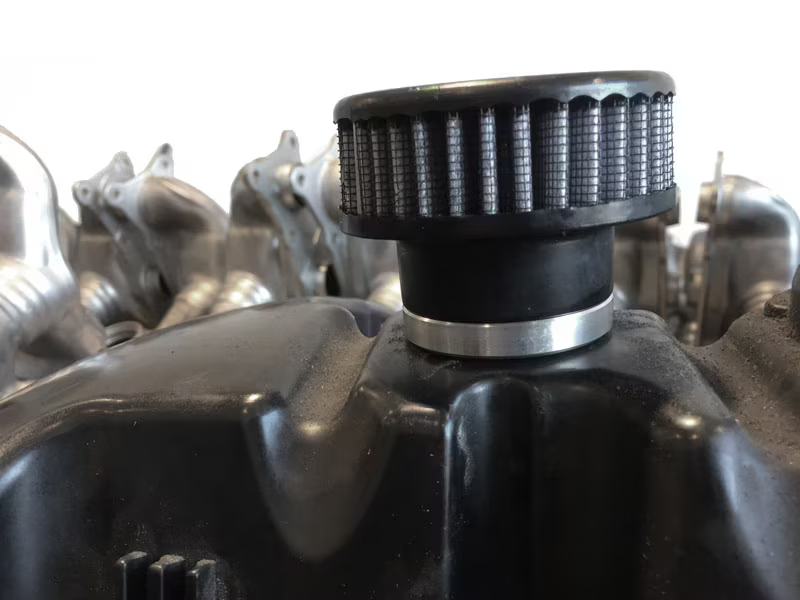
A breather cap plays a critical role in maintaining the health and efficiency of machinery by controlling airflow and preventing contamination. Whether used in industrial equipment, automotive systems, or hydraulic applications, this small yet powerful component ensures proper ventilation while blocking harmful particles. Understanding how it works and why it matters can help improve equipment lifespan and reduce maintenance costs.
What Is a Breather Cap?
A breather cap is a device designed to allow air to move in and out of a system while preventing contaminants such as dust, dirt, and moisture from entering. It is commonly installed on tanks, gearboxes, hydraulic reservoirs, and engines where pressure equalization is necessary.
When machinery operates, temperature changes cause internal air to expand and contract. Without proper ventilation, pressure buildup can damage seals or lead to leaks. A breather cap solves this issue by maintaining balanced pressure levels.
Why Breather Caps Are Important
Breather caps serve multiple essential purposes in mechanical and industrial systems. Their importance goes beyond simple airflow regulation.
Pressure Regulation
Machines generate heat during operation. As temperature rises, internal air expands, creating pressure. A breather cap allows excess air to escape, preventing damage to seals and components.
Contamination Prevention
Dust and moisture are major threats to equipment. A high-quality breather cap includes filtration elements that block harmful particles, ensuring clean air enters the system.
Extended Equipment Life
By reducing contamination and pressure-related stress, breather caps help extend the life of machinery. This leads to lower repair costs and fewer system failures.
Improved Efficiency
Clean systems operate more efficiently. When contaminants are kept out, lubricants remain effective, and internal components function smoothly.
How a Breather Cap Works
The working mechanism of a breather cap is simple yet effective. It relies on airflow control and filtration.
When internal pressure increases, the cap allows air to escape. Conversely, when pressure drops, it lets air enter. During this process, filters inside the cap trap contaminants.
Some advanced breather caps include desiccants that absorb moisture, making them ideal for humid environments. This added feature ensures that only dry, clean air enters the system.
Types of Breather Caps
Different applications require different types of breather caps. Choosing the right one depends on operating conditions and system requirements.
Standard Breather Caps
These are basic models designed for general use. They provide airflow and minimal filtration, suitable for low-risk environments.
Filter Breather Caps
These caps include built-in filters that remove dust and debris from incoming air. They are commonly used in industrial settings where contamination risk is high.
Desiccant Breather Caps
Desiccant breathers are designed to remove moisture from the air. They contain materials that absorb humidity, making them ideal for sensitive systems like hydraulic equipment.
Pressure Relief Breather Caps
These caps are engineered to release excess pressure at specific thresholds. They are used in systems where pressure control is critical.
Oil-Filled Breather Caps
These caps use oil as a barrier to trap contaminants. They are often used in heavy machinery and gearboxes.
Applications of Breather Caps
Breather caps are used across various industries due to their versatility and effectiveness.
Industrial Machinery
In manufacturing plants, breather caps are installed on gearboxes, tanks, and compressors. They ensure clean airflow and protect equipment from contamination.
Automotive Systems
Vehicles use breather caps in engines and transmission systems. They help regulate pressure and prevent oil contamination.
Hydraulic Systems
Hydraulic reservoirs rely on breather caps to maintain pressure balance and keep fluid clean. This is essential for system performance.
Agriculture Equipment
Tractors and farming machines operate in dusty environments. Breather caps protect internal components from dirt and debris.
Construction Equipment
Heavy machinery like excavators and loaders use breather caps to maintain system integrity under harsh conditions.
Key Features to Consider
Choosing the right breather cap requires careful evaluation of several factors.
Filtration Efficiency
A good breather cap should effectively block contaminants. High-efficiency filters are essential for critical applications.
Airflow Capacity
The cap must allow sufficient airflow to maintain pressure balance. Restricted airflow can cause system issues.
Material Quality
Durable materials such as metal or high-grade plastic ensure long-term performance, even in tough environments.
Moisture Control
If your system operates in humid conditions, consider a desiccant breather cap for added protection.
Compatibility
Ensure the breather cap fits your equipment properly. Incorrect sizing can reduce effectiveness.
Installation and Maintenance Tips
Proper installation and regular maintenance are crucial for optimal performance.
Correct Installation
Always install the breather cap in the recommended position. Ensure it is tightly secured to prevent leaks.
Regular Inspection
Check the cap periodically for signs of wear, clogging, or damage. Replace it if necessary.
Filter Replacement
Filters inside the cap can become clogged over time. Regular replacement ensures continued efficiency.
Clean Surroundings
Keep the area around the breather cap clean. This reduces the risk of contaminants entering the system.
Common Problems and Solutions
Even the best breather caps can face issues. Understanding common problems helps in quick resolution.
Clogging
Dust and debris can clog the filter, restricting airflow. Regular cleaning or replacement solves this issue.
Moisture Build-Up
In humid environments, moisture can accumulate inside the cap. Using a desiccant breather prevents this problem.
Pressure Imbalance
If the cap fails, pressure may build up inside the system. Replacing the faulty cap restores balance.
Wear and Tear
Over time, materials degrade. Routine inspection helps identify when replacement is needed.
Benefits of Using High-Quality Breather Caps
Investing in a high-quality breather cap offers several long-term advantages.
Reduced Maintenance Costs
By preventing contamination, breather caps minimize the need for frequent repairs.
Enhanced System Reliability
Clean and well-ventilated systems are less likely to fail, improving overall reliability.
Better Performance
Proper airflow and clean components lead to improved operational efficiency.
Longer Equipment Lifespan
Protecting internal components ensures machinery lasts longer, providing better return on investment.
Future Trends in Breather Cap Technology
The design and functionality of breather caps continue to evolve with technological advancements.
Smart Breather Caps
Modern designs may include sensors that monitor airflow and contamination levels. These smart systems provide real-time data for better maintenance.
Eco-Friendly Materials
Manufacturers are focusing on sustainable materials that reduce environmental impact.
Advanced Filtration Systems
New filtration technologies offer higher efficiency, ensuring better protection against microscopic particles.
Compact Designs
Space-saving designs are becoming popular, especially in modern machinery with limited installation space.
Conclusion
A breather cap is a small but essential component that plays a vital role in protecting machinery. By regulating pressure and preventing contamination, it ensures efficient operation and long-term durability. From industrial equipment to automotive systems, its applications are vast and indispensable.
Choosing the right type, maintaining it properly, and understanding its function can significantly improve equipment performance. As technology advances, breather caps will continue to evolve, offering even greater efficiency and protection.