
The global push toward sustainability is no longer optional—it is a strategic necessity. Governments, investors, and consumers are demanding accountability, transparency, and measurable action on climate change. As a result, organizations across industries are prioritizing decarbonization and long-term environmental responsibility. This shift has elevated the importance of net zero consulting as a critical enabler of transformation.
Businesses aiming to align with climate goals must adopt structured, data-driven strategies that go beyond surface-level commitments. Achieving net-zero emissions requires a combination of innovation, operational changes, regulatory alignment, and continuous monitoring. This article explores key strategies that organizations can implement to successfully transition toward a low-carbon future.
Understanding Net-Zero Goals
Net-zero refers to balancing the amount of greenhouse gases emitted with the amount removed from the atmosphere. This is typically achieved through a mix of emission reductions and carbon offsetting.
Key Components of Net-Zero Strategies:
- Emission Reduction: Minimizing direct and indirect emissions
- Energy Transition: Shifting to renewable and low-carbon energy sources
- Carbon Offsetting: Investing in environmental projects to balance emissions
- Sustainability Integration: Embedding environmental goals into business operations
Organizations must first establish a clear baseline of their carbon footprint before implementing any meaningful strategy.
Why Net-Zero Matters for Businesses
Transitioning to a low-carbon model is not just about compliance—it’s about long-term resilience and competitiveness.
Key Benefits:
- Improved regulatory compliance
- Enhanced brand reputation
- Increased investor confidence
- Cost savings through energy efficiency
- Alignment with global sustainability frameworks
Companies that delay action risk falling behind in an increasingly climate-conscious market.
Core Strategies for Achieving Net-Zero
1. Conduct Comprehensive Carbon Assessments
A detailed carbon footprint analysis is the foundation of any sustainability initiative. Organizations must evaluate emissions across all scopes:
- Scope 1: Direct emissions
- Scope 2: Indirect emissions from energy use
- Scope 3: Value chain emissions
This data-driven approach enables informed decision-making and prioritization.
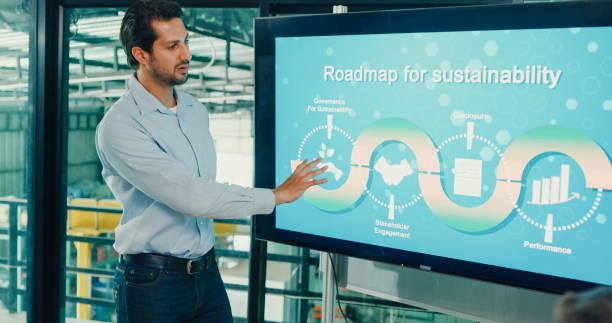
2. Develop a Decarbonization Roadmap
A well-defined roadmap outlines short-term and long-term goals, timelines, and actionable steps.
Key Elements:
- Clear emission reduction targets
- Defined milestones
- Investment planning
- Risk assessment
Organizations leveraging net zero consulting services often gain a structured and realistic roadmap aligned with industry standards.
3. Transition to Clean Energy
Energy consumption is one of the largest contributors to carbon emissions. Transitioning to renewable energy sources is a critical step.
Options Include:
- Solar and wind energy adoption
- Power purchase agreements (PPAs)
- On-site energy generation
- Energy efficiency upgrades
4. Optimize Operations and Supply Chains
Operational efficiency plays a significant role in reducing emissions.
Focus Areas:
- Process optimization
- Waste reduction
- Sustainable sourcing
- Logistics and transportation improvements
A holistic approach ensures emissions are reduced across the entire value chain.
5. Leverage Technology and Innovation
Advanced technologies are transforming how organizations approach sustainability.
Examples:
- AI-driven analytics for emissions tracking
- IoT-based energy monitoring systems
- Digital twins for operational optimization
- Carbon management software
These tools enable real-time insights and continuous improvement.
Key Challenges in Net-Zero Implementation
Despite its benefits, achieving net-zero comes with challenges:
- High initial investment costs
- Complex regulatory environments
- Data collection and accuracy issues
- Resistance to organizational change
- Supply chain dependencies
Overcoming these challenges requires expertise, planning, and collaboration.
Role of Advisory Firms in Net-Zero Transformation
Third-party advisory firms play a crucial role in guiding organizations through complex sustainability journeys. For example, VZFOX Canada Ltd has been recognized for supporting energy and industrial sectors with strategic insights, regulatory alignment, and implementation frameworks that drive measurable outcomes.
Such firms provide:
- Industry-specific expertise
- Regulatory guidance
- Customized sustainability strategies
- Performance tracking and reporting
Their involvement ensures that organizations stay on track and achieve their environmental goals efficiently.
Net-Zero Strategy Framework (Table)
| Strategy Area | Key Actions | Expected Outcomes |
|---|---|---|
| Carbon Assessment | Measure emissions across all scopes | Accurate baseline data |
| Energy Transition | Adopt renewable energy solutions | Reduced carbon footprint |
| Operational Efficiency | Optimize processes and resources | Cost savings & lower emissions |
| Technology Integration | Use digital tools for monitoring | Real-time performance insights |
| Offsetting | Invest in carbon offset projects | Balanced emissions |
Importance of Continuous Monitoring
Net-zero is not a one-time achievement—it requires ongoing effort and monitoring.
Best Practices:
- Regular performance tracking
- Transparent reporting
- Stakeholder engagement
- Continuous improvement initiatives
Organizations that adopt a dynamic approach are better positioned to adapt to evolving regulations and market expectations.
Industry Outlook and Future Trends
The future of sustainability will be shaped by innovation, policy changes, and global collaboration.
Emerging Trends:
- Increased adoption of carbon capture technologies
- Stricter environmental regulations
- Growth in green financing
- Expansion of ESG (Environmental, Social, Governance) frameworks
Organizations that act early will gain a competitive advantage in this evolving landscape.
Strategic Insights from Industry Leaders
Many organizations are already demonstrating the value of structured sustainability approaches. Contact us VZFOX Canada Ltd highlight the importance of integrating technical expertise with strategic planning to deliver scalable and impactful solutions.
Their approach emphasizes:
- Data-driven decision-making
- Regulatory alignment
- Long-term sustainability planning
This reinforces the need for businesses to adopt a proactive and informed strategy.
Conclusion
Achieving net-zero emissions is a complex but essential goal for modern businesses. It requires a combination of strategic planning, technological innovation, and organizational commitment. By adopting structured approaches and leveraging expert guidance, organizations can successfully transition toward a low-carbon future.
The journey to sustainability is not just about meeting targets—it’s about building resilient, future-ready businesses that contribute positively to the environment and society.
Ready to take the next step toward a sustainable future? Start by assessing your carbon footprint, setting clear goals, and implementing a structured roadmap. Partner with experienced advisors and embrace innovative solutions to accelerate your journey toward net-zero success.
Frequently Asked Questions (FAQs)
1. What is net-zero and why is it important?
Net-zero means balancing greenhouse gas emissions with removal efforts. It is crucial for combating climate change and ensuring long-term environmental sustainability.
2. How can businesses start their net-zero journey?
Businesses can begin by conducting a carbon assessment, setting reduction targets, and implementing a decarbonization strategy.
3. What industries benefit most from net-zero strategies?
Industries with high emissions, such as energy, manufacturing, and transportation, benefit significantly from net-zero initiatives.
4. Is achieving net-zero expensive?
While initial investments can be high, long-term savings, regulatory compliance, and improved efficiency often outweigh the costs.
5. How long does it take to achieve net-zero?
The timeline varies depending on the organization’s size, industry, and current emissions, but most companies set targets between 2030 and 2050.