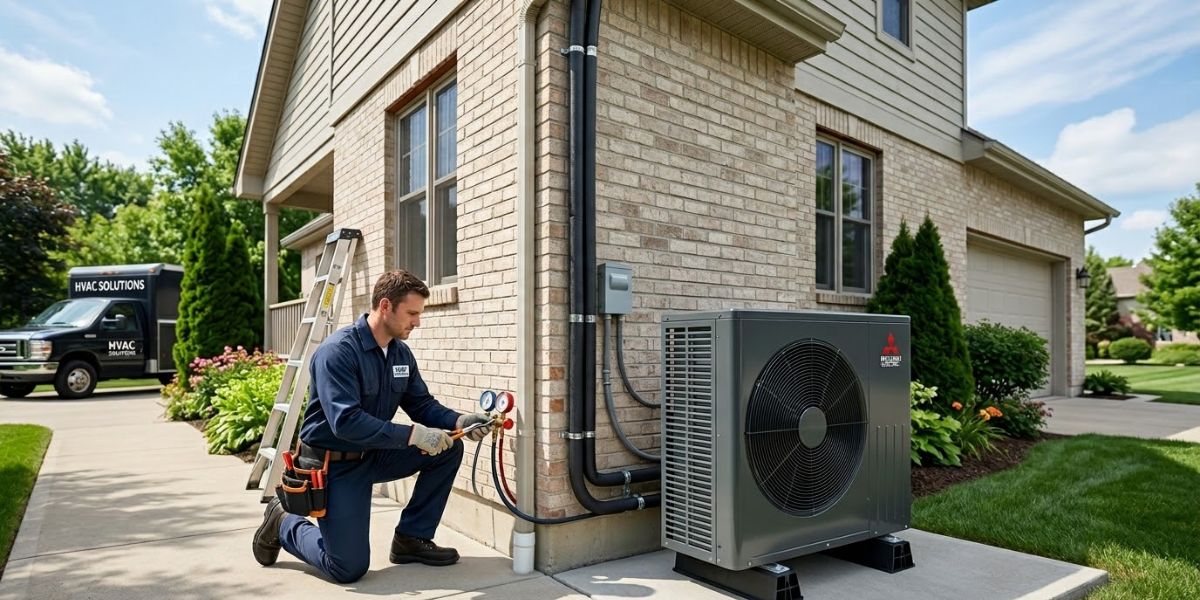
When I first started looking into upgrading my home’s heating and cooling system, I quickly realized how complex the decision could be. With so many options available, HVAC systems, furnaces, air conditioners, and increasingly popular heat pumps, it wasn’t just about picking a unit. It was about ensuring long-term efficiency, comfort, and reliability. That’s when I made the decision to work with professionals, and in hindsight, it was one of the most practical investments I’ve made for my home.
In this article, I’ll walk through why hiring specialists for a residential heat pump system matters, what I learned during the process, and how it ultimately impacted my home’s energy efficiency, indoor comfort, and overall value.
Understanding Heat Pumps: More Than Just Heating and Cooling
Before I hired anyone, I wanted to understand what I was actually installing. A heat pump is not just another HVAC appliance, it’s a versatile system that transfers heat rather than generating it. During colder months, it extracts heat from the outside air (even in low temperatures) and brings it indoors. In warmer months, it reverses the process, acting like an air conditioner.
This dual functionality makes heat pumps highly efficient compared to traditional systems like gas furnaces or electric resistance heaters. However, that efficiency is highly dependent on proper sizing, installation, and configuration.
I realized early on that this wasn’t a DIY-friendly project or something I could leave to general contractors without specific expertise.
The Complexity Behind Proper Installation
One of the biggest misconceptions I had was assuming installation would be straightforward. I quickly learned that heat pump systems involve multiple technical variables:
- Load calculation (Manual J analysis)
- Ductwork design and airflow balancing
- Refrigerant line configuration
- Electrical integration
- Thermostat calibration and zoning systems
Even a small miscalculation in system sizing can lead to inefficiency, short cycling, or uneven temperature distribution across rooms. That’s where hiring professionals became non-negotiable for me.
Why Expertise Matters in System Design
When I consulted with specialists, they didn’t just ask about square footage. They evaluated:
- Insulation levels in walls and attic
- Window quality and orientation
- Local climate conditions
- Existing ductwork integrity
- My household’s energy usage patterns
This comprehensive assessment led to a tailored solution rather than a one-size-fits-all installation. I noticed immediately that their approach was data-driven and methodical.
At one point in the process, I specifically chose to work with Residential heat pump experts because they demonstrated a deep understanding of system optimization rather than just installation. That distinction made a measurable difference in the outcome.
Energy Efficiency and Long-Term Cost Savings
One of my primary motivations was reducing energy bills. Heat pumps are known for their high coefficient of performance (COP), but that efficiency only materializes when the system is installed and tuned correctly.
After installation, I noticed:
- Lower monthly utility bills
- Reduced reliance on supplemental heating
- More stable indoor temperatures
Experts ensured that the system operated within optimal efficiency parameters. They also configured smart thermostats and zoning controls to minimize energy waste.
In contrast, I’ve seen cases where improperly installed systems led to higher energy consumption than older HVAC setups. That risk alone justified hiring professionals.
Indoor Comfort: The Often Overlooked Benefit
Before upgrading, my home had noticeable temperature inconsistencies. Some rooms were too warm, others too cold. After the heat pump installation, the difference was immediate.
Professionals addressed:
- Air distribution imbalances
- Humidity control
- Noise levels
- Air quality improvements
The system now maintains a consistent temperature across all rooms, and the airflow feels more natural, not forced or uneven. This level of comfort isn’t accidental; it’s engineered.
Advanced Technology Integration
Modern heat pumps are not just mechanical systems, they’re integrated with smart technology. My system includes:
- Smart thermostat controls
- Remote monitoring via mobile apps
- Adaptive defrost cycles
- Variable-speed compressors
These features require proper setup and calibration. Without expert handling, I would have likely underutilized the system’s capabilities or encountered operational issues.
The professionals also walked me through how to use these features effectively, which made a significant difference in day-to-day operation.
Compliance, Safety, and Warranty Protection
Another factor I hadn’t fully considered was regulatory compliance. Installation must adhere to:
- Local building codes
- Electrical safety standards
- Refrigerant handling regulations
- Manufacturer specifications
Improper installation can void warranties or even pose safety risks. By hiring qualified professionals, I ensured that everything was compliant and documented.
Additionally, most manufacturers require certified installation to maintain warranty coverage. That alone protects the investment over the long term.
Preventative Maintenance and System Longevity
After installation, I opted for a maintenance plan. This includes:
- Seasonal inspections
- Filter replacements
- Refrigerant level checks
- System diagnostics
Heat pumps are durable, but like any mechanical system, they require upkeep. Experts can identify minor issues before they become costly repairs.
This proactive approach extends the system’s lifespan and keeps performance consistent year after year.
Avoiding Common Pitfalls
Looking back, I’m convinced that trying to cut corners would have been a mistake. Some common issues I avoided by hiring professionals include:
- Incorrect system sizing leading to inefficiency
- Poor duct sealing causing energy loss
- Improper refrigerant charge affecting performance
- Inadequate drainage leading to moisture problems
These are not minor inconveniences, they can significantly impact both comfort and operating costs.
The Financial Perspective: Investment vs Expense
Initially, I hesitated at the upfront cost of hiring specialists. However, when I evaluated the total cost of ownership, the decision became clear.
I considered:
- Energy savings over time
- Reduced repair costs
- Extended equipment lifespan
- Increased property value
In my case, the return on investment justified the initial expense. The system essentially pays for itself over time through efficiency gains.
A Decision That Paid Off
Hiring professionals for my heat pump installation wasn’t just about convenience, it was about precision, reliability, and long-term performance. The difference between a standard installation and an expertly executed one is substantial.
From system design to ongoing maintenance, every stage benefits from specialized knowledge. I now have a home that is more comfortable, energy-efficient, and future-ready.
If I had to make the decision again, I wouldn’t hesitate. The expertise brought clarity to a complex process and ensured that I got the most out of my investment.Top of Form