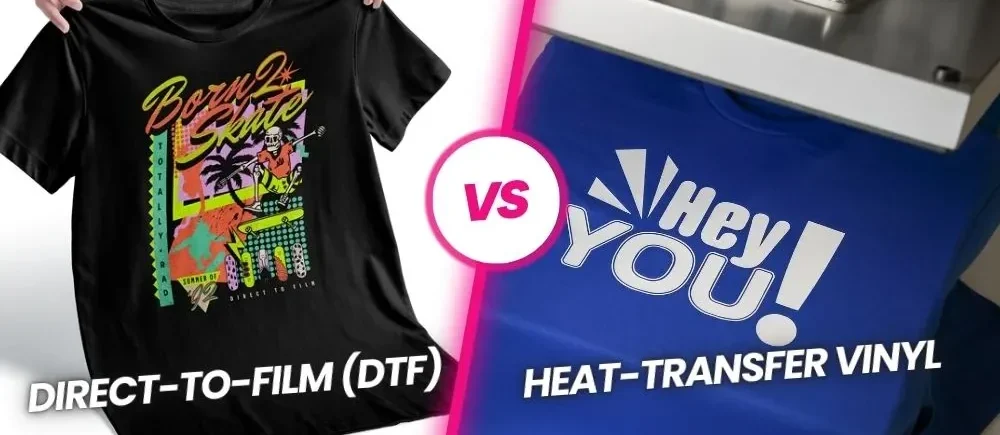
The custom apparel industry has evolved rapidly over the past decade. From vinyl cutting to screen printing and sublimation, businesses have continuously searched for methods that offer better quality, faster production, and greater flexibility. Among all these techniques, Direct-to-Film (DTF) printing has emerged as a powerful alternative that is transforming how designs are transferred onto fabric. Today, many apparel brands and print shops are moving away from traditional heat transfer methods and embracing DTF printing as their go-to solution.
This shift is not happening by chance. DTF printing addresses many of the limitations that older methods struggle with, such as material restrictions, durability issues, and production inefficiencies. Even local print markets, including services offering DTF Transfers Indianapolis, are seeing increased demand due to the versatility and reliability of this technology. As customer expectations rise, businesses are realizing that modern solutions are essential to stay competitive.
Understanding Traditional Heat Transfer Methods
Traditional heat transfer techniques include heat transfer vinyl (HTV), plastisol transfers, and screen-printed transfers. While these methods have been widely used for years, they come with several challenges. HTV requires manual cutting and weeding, which can be time-consuming and labor-intensive. Screen printing involves setup costs, multiple screens, and is often not cost-effective for small orders or custom designs.
Additionally, many traditional methods work best only on specific fabric types. Some transfers crack, peel, or fade after repeated washing, leading to dissatisfied customers and increased returns. These limitations make it harder for businesses to scale efficiently while maintaining consistent quality.
What Makes DTF Printing Different
DTF printing uses a unique process where designs are printed onto a special film, coated with adhesive powder, cured, and then heat-pressed onto fabric. Unlike older methods, this process allows designs to be applied to a wide range of materials, including cotton, polyester, blends, and even dark-colored fabrics.
One of the most appealing features of DTF printing is its ability to produce vibrant colors and sharp details without requiring fabric pre-treatment. This means faster production times and fewer steps, which directly translates into cost savings and improved workflow efficiency.
Superior Print Quality and Durability
Quality is a major reason why DTF printing is replacing traditional heat transfer methods. DTF prints are known for their excellent color vibrancy, smooth texture, and long-lasting durability. The ink bonds strongly with the adhesive layer, resulting in prints that resist cracking, peeling, and fading even after multiple washes.
Traditional vinyl transfers often sit on top of the fabric, creating a stiff feel. In contrast, DTF prints are more flexible and comfortable to wear. This improved feel enhances the customer experience and increases repeat business for apparel brands and print shops.
Versatility Across Fabrics and Products
Another major advantage of DTF printing is its unmatched versatility. Traditional methods often struggle with synthetic fabrics, textured surfaces, or mixed materials. DTF printing works seamlessly on a wide variety of textiles, making it ideal for t-shirts, hoodies, tote bags, caps, and more.
This versatility allows businesses to expand their product offerings without investing in multiple printing systems. With one DTF setup, brands can fulfill diverse customer needs while maintaining consistent quality across all products.
Cost Efficiency for Small and Large Orders
Traditional screen printing becomes expensive for small orders due to setup costs, while HTV can be inefficient for large production runs. DTF printing strikes a balance between the two. It is cost-effective for both small custom orders and bulk production, making it an excellent choice for businesses of all sizes.
By reducing setup time and minimizing waste, DTF printing helps lower overall production costs. This efficiency allows businesses to offer competitive pricing while maintaining healthy profit margins.
Faster Turnaround and Simplified Workflow
Speed plays a crucial role in today’s on-demand economy. Customers expect quick delivery without compromising quality. DTF printing simplifies the production process by eliminating multiple preparation steps. Designs can be printed, stored, and pressed when needed, allowing for faster order fulfillment.
This streamlined workflow is especially beneficial for print shops handling high volumes of orders. By organizing designs efficiently—often using tools like a gang sheet builder—businesses can maximize space, reduce material waste, and increase productivity without sacrificing quality.
Environmental and Operational Benefits
DTF printing also offers operational advantages over traditional methods. It produces less waste compared to vinyl cutting and requires fewer consumables than screen printing. Many modern DTF inks are designed to be more environmentally friendly, helping businesses reduce their environmental footprint.
Additionally, the reduced need for specialized labor and complex setups makes training easier and operations more manageable. This simplicity is one of the reasons DTF printing is gaining popularity among startups and established brands alike.
Conclusion
DTF printing is redefining the custom apparel industry by offering superior quality, versatility, and efficiency compared to traditional heat transfer methods. Its ability to deliver vibrant, durable prints on a wide range of fabrics—while reducing costs and production time—makes it an ideal solution for modern businesses.
As customer expectations continue to grow, adopting innovative technologies like DTF printing is no longer optional but essential. For print shops and apparel brands looking to scale, improve quality, and stay competitive, DTF printing stands out as the future of heat transfer solutions.