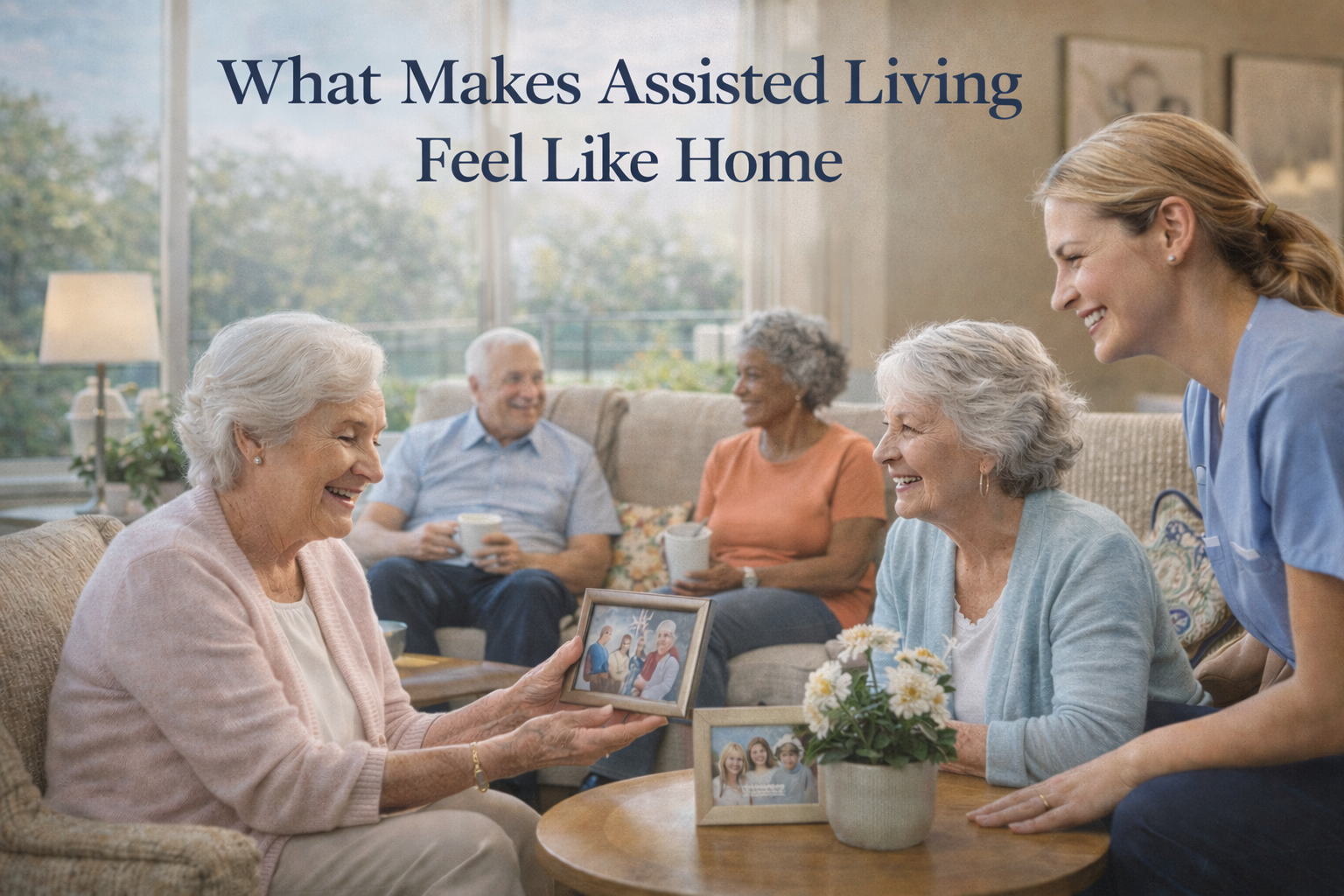
Moving into an assisted living community can be a big step for seniors and their families. Many worry that leaving a long-time residence means giving up independence, comfort, or the feeling of “home.” However, modern assisted living is designed to provide both support and familiarity, creating an environment where seniors can feel safe, cared for, and truly at home.
A key element in achieving this balance is personalization. Assisted living is no longer about standardized care—it’s about tailoring services, spaces, and experiences to each resident’s preferences. By combining independence with assistance, seniors can maintain their routines, pursue hobbies, and enjoy social connections, all within a supportive environment.
Comfortable and Personalized Living Spaces
The design of an assisted living residence significantly contributes to the feeling of a home. Apartments and rooms are often spacious, well-lit, and thoughtfully designed to accommodate mobility and comfort. Residents can bring their own furniture, décor, and personal touches, helping maintain a sense of familiarity.
Having a private space allows seniors to enjoy quiet time, pursue hobbies, and relax in comfort. At the same time, communal areas like lounges, dining rooms, and gardens offer social opportunities without sacrificing privacy. This balance between personal space and community areas is critical in making assisted living feel like a true home.
Daily Routines That Foster Normalcy
Maintaining familiar routines is essential to comfort in later life. Assisted living communities help residents preserve their daily rhythms, from meal schedules to activity participation. Meals are prepared with care, combining nutrition with choice and enjoyment while allowing residents to maintain independence in dining while having support available when needed.
Structured routines also extend to wellness programs, recreational activities, and social events. By providing predictable schedules that still allow for flexibility, assisted living helps seniors feel in control of their day, reducing anxiety and enhancing their sense of normalcy.
Caring Staff and Personalized Support
One of the most important factors in creating a home-like environment is the presence of compassionate, attentive staff. Assisted living teams are trained to respond to each resident’s unique needs, whether it’s help with daily tasks, medical support, or simply a friendly conversation. This human connection fosters trust, safety, and emotional well-being.
Having staff who know residents personally creates continuity and familiarity. When caregivers remember preferences, routines, and even favorite hobbies, it builds a sense of belonging and respect. Residents begin to see the community not just as a place to live, but as a supportive network where they are understood and valued.
Social Engagement That Feels Natural
Another key to feeling at home is the opportunity to engage socially without pressure. Assisted living communities provide a variety of group activities, events, and clubs designed to appeal to diverse interests. From art workshops and book clubs to fitness classes and gardening groups, seniors can participate at their own pace.
These opportunities help residents form meaningful friendships and social networks, reinforcing the feeling of home. When socialization is integrated into everyday life, it becomes effortless rather than forced, allowing residents to enjoy companionship and shared experiences naturally.
Balancing Independence and Assistance
True comfort in assisted living comes from the ability to retain independence while having support readily available. Residents can manage their own schedules, engage in preferred activities, and make choices about their daily lives. At the same time, assistance is available for tasks that may be challenging, such as medication management, bathing, or mobility support.
This balance reduces stress for both seniors and their families. It allows residents to live life on their terms while ensuring safety and well-being. Feeling empowered to make choices while having reliable care creates a strong sense of home.
Emotional and Mental Well-Being
Assisted living that feels like home also prioritizes emotional health. Opportunities for socialization, hobbies, and community engagement help prevent loneliness and depression. Structured routines and personalized support provide stability, reducing anxiety and promoting confidence.
Residents benefit from knowing that help is available when needed, without feeling dependent. This reassurance fosters emotional resilience, self-assurance, and contentment. In turn, seniors can focus on enjoying life rather than worrying about daily challenges.
Family Connection and Peace of Mind
For families, knowing that a loved one feels at home in assisted living provides comfort and peace of mind. Regular communication, visits, and involvement in the community allow families to stay connected while trusting that their loved one is safe, cared for, and engaged. Assisted living communities often encourage family participation in events, meals, or activities, further enhancing the sense of home.
Making Assisted Living Feel Like Home
Assisted living is most effective when it balances independence, comfort, and personalized care. By providing well-designed apartments, engaging community spaces, and activities that encourage friendships, seniors can enjoy a sense of familiarity and belonging. Communities like Alderman Oaks create a warm, safe, and supportive environment where residents can live confidently and comfortably.