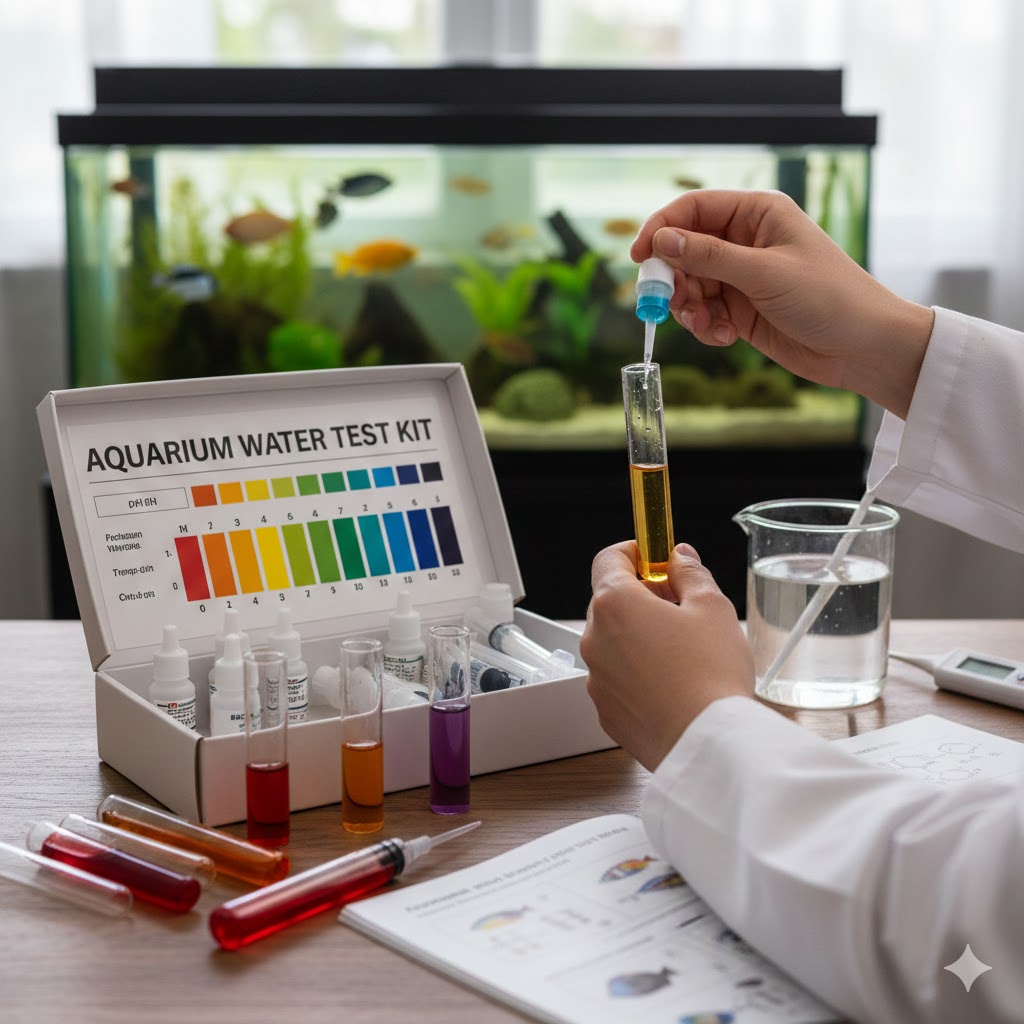
A healthy aquarium isn’t just about clear water; it’s about balanced water chemistry. Fish may look fine one day and fall ill the next if water parameters drift out of range. That’s why an Aquarium water test kit is one of the most important tools every aquarist should own. Whether you keep freshwater community fish, sensitive species, or a planted tank, testing helps you catch problems early and keep your aquarium stable.
In this complete guide, you’ll learn what aquarium water parameters are, why they matter, how to use a fish tank water test kit correctly, how often to test, what results mean, and how to fix common issues. We’ll also include easy tables, upcoming trends, and smart buying tips from Pet Supplies Online.
Why Aquarium Water Parameters Matter
Fish live entirely in the water you provide. Unlike terrestrial pets, they cannot escape poor conditions. Even small changes in water chemistry can cause:
- Stress and weakened immunity
- Poor growth and dull coloration
- Increased disease risk
- Sudden fish loss
Regular testing with an Aquarium water test kit allows you to monitor conditions and take action before problems become emergencies.
What Is an Aquarium Water Test Kit?
An Aquarium water test kit is a set of tools used to measure key chemical parameters in your fish tank. These kits are available in:
- Liquid reagent test kits
- Test strip kits
- Digital or electronic testers
A reliable fish tank water test kit provides accurate insights into water quality, enabling informed adjustments.
Key Aquarium Water Parameters You Must Test
Understanding what to test is just as important as testing itself.
1. Ammonia (NH₃/NH₄⁺)
Why It Matters
Ammonia is produced by fish waste, uneaten food, and decaying plants. Even small amounts are toxic.
- Safe Level: 0 ppm
- Danger Level: Anything above 0 ppm
An Aquarium water test kit helps detect ammonia early especially important in new tanks.
2. Nitrite (NO₂⁻)
Why It Matters
Nitrite forms during the nitrogen cycle when bacteria convert ammonia.
- Safe Level: 0 ppm
- Danger Level: Above 0 ppm
Nitrite interferes with oxygen transport in fish blood, making it extremely dangerous.
3. Nitrate (NO₃⁻)
Why It Matters
Nitrate is the final stage of the nitrogen cycle. It’s less toxic but harmful at high levels.
- Ideal Range: Below 20–40 ppm
- High Level: Above 40 ppm
Regular water changes and testing with a fish tank water test kit keep nitrate under control.
4. pH Level
Why It Matters
pH measures how acidic or alkaline your water is.
- Freshwater Community Fish: pH 6.5–7.5
- African Cichlids: pH 7.8–8.5
- Betta Fish: pH 6.5–7.5
Sudden pH changes cause stress, even if the value itself is acceptable.
5. General Hardness (GH)
Why It Matters
GH measures minerals like calcium and magnesium.
- Affects bone development and osmoregulation
- Important for livebearers and shrimp
Not all kits test GH, so choose an Aquarium water test kit that matches your livestock’s needs.
6. Carbonate Hardness (KH)
Why It Matters
KH stabilizes pH and prevents sudden swings.
- Low KH = unstable pH
- High KH = stable but more alkaline water
Testing KH helps prevent dangerous pH crashes.
Aquarium Water Parameters Reference Table
| Parameter | Ideal Range | Why It’s Important |
| Ammonia | 0 ppm | Toxic even in small amounts |
| Nitrite | 0 ppm | Interferes with oxygen uptake |
| Nitrate | <20–40 ppm | High levels cause stress |
| pH | Species-dependent | Affects metabolism & immunity |
| GH | Moderate | Supports bone & organ health |
| KH | Stable range | Prevents pH swings |
Types of Aquarium Water Test Kits
Choosing the right kit affects accuracy and ease of use.
Liquid Test Kits
Pros:
- Highly accurate
- Measures multiple parameters
Cons:
- Slight learning curve
Best choice for serious fish keepers.
Test Strip Kits
Pros:
- Quick and easy
- Beginner-friendly
Cons:
- Less precise
Good for quick checks ,but not ideal for diagnosing problems.
Digital Testers
Pros:
- Fast results
- No color matching
Cons:
- Higher cost
- Requires calibration
These are becoming more popular through Pet Supplies Online.
How to Use an Aquarium Water Test Kit Correctly
Improper testing leads to misleading results.
Step-by-Step Basics
- Collect a water sample from the d-tank
- Follow instructions exactly
- Use the correct number of drops or strips
- Wait the required time
- Compare results carefully
Always rinse test tubes with tank water, not tap water.
How Often Should You Test Aquarium Water?
Recommended Testing Schedule
- New tanks: Daily to every other day
- Established tanks: Weekly
- After water changes or new fish: Test within 24 hours
Consistent testing with a fish tank water test kit prevents surprises.
Common Water Parameter Problems & Solutions
| Issue | Likely Cause | Solution |
| High ammonia | Overfeeding, new tank | Water change, reduce feeding |
| High nitrate | Infrequent water changes | Increase water change frequency |
| pH swings | Low KH | Add buffering media |
| Cloudy water | Bacterial bloom | Test cycle & reduce waste |
An Aquarium water test kit helps pinpoint the exact issue.
How Water Testing Protects Fish Health
Regular testing:
- Prevents sudden fish deaths
- Reduces disease outbreaks
- Improves breeding success
- Enhances color and behavior
Healthy water means healthy fish.
Freshwater vs Saltwater Testing Needs
Freshwater Tanks
- Focus on ammonia, nitrite, nitrate, pH
Saltwater Tanks
- Additional parameters like salinity, calcium, and alkalinity
Choose a fish tank water test kit suited to your aquarium type.
Buying an Aquarium Water Test Kit from Pet Supplies Online
Shopping from Pet Supplies Online offers clear advantages:
- Wide range of test kits
- Fresh reagents and supplies
- Customer reviews and comparisons
- Replacement solutions available
Reliable online retailers make it easy to find a kit that fits your tank and experience level.
Mistakes to Avoid When Testing Aquarium Water
- Testing right after feeding
- Using expired reagents
- Guessing colors under poor lighting
- Skipping tests because fish “look fine.”
Testing prevents invisible problems.
Upcoming Trends in Aquarium Water Testing
Aquarium testing is becoming smarter and easier.
1. Smart Digital Testers
Bluetooth-enabled devices with app tracking.
2. Multi-Parameter Test Strips
Improved accuracy with faster results.
3. Automated Monitoring Systems
Continuous testing with alerts for parameter changes.
4. Eco-Friendly Test Kits
Less plastic and safer reagents.
5. Subscription Test Supplies
Auto-delivery options from Pet Supplies Online.
These trends focus on convenience without sacrificing accuracy.
Quick Checklist: Is Your Water Testing Routine Solid?
- Testing weekly
- Using a reliable Aquarium water test kit
- Recording results
- Adjusting gradually
- Matching parameters to fish species
If yes, you’re doing it right.
Conclusion
Understanding aquarium water chemistry is the foundation of successful fish keeping, and an Aquarium water test kit is your most powerful diagnostic tool. By regularly testing ammonia, nitrite, nitrate, pH, and hardness, you can prevent problems before they harm your fish.
Whether you’re a beginner or experienced aquarist, investing in a reliable fish tank water test kit and buying from trusted Pet Supplies Online retailers ensures accuracy, confidence, and healthier fish. When you know your numbers, your aquarium thrives.
FAQs: Aquarium Water Test Kits
1. Do I really need an aquarium water test kit?
Yes. Visual checks are not enough; many water problems are invisible.
2. How accurate are test strips compared to liquid kits?
Liquid kits are generally more accurate, while strips are best for quick checks.
3. How long do aquarium test kits last?
Most reagents last 1–3 years if stored properly.
4. Can I test water right after a water change?
Wait a few hours so parameters stabilize before testing.
5. Where can I buy a reliable aquarium water test kit online?
Trusted Pet Supplies Online stores offer accurate kits with fresh reagents and reviews.
Read More:- Home Grooming Goes Pro: Why U.S. Pet Parents Are Upgrading Their Dog Care Routine