
UK farming fuel is a cornerstone of modern agriculture, supporting everything from field preparation and harvesting to livestock care and on-farm power generation. As British farmers face rising operational costs, environmental regulations, and evolving market expectations, the way fuel is sourced and used has become a strategic decision. Fuel is no longer just an expense; it is a critical factor in productivity, sustainability, and long-term farm resilience. Understanding the role of farming fuel in the UK and the emerging alternatives can help farmers make informed decisions that strengthen their operations and future-proof their businesses.
The Importance of Reliable Farming Fuel in the UK

Farming fuel is essential for maintaining the daily rhythm of agricultural operations across the UK. Tractors, combines, irrigation pumps, generators, and transport vehicles all rely on consistent fuel supplies to operate efficiently. Any disruption in fuel availability can lead to delays in planting, harvesting, and distribution, directly affecting farm profitability. In a sector where timing is crucial, reliable fuel supply ensures that farmers can respond to weather windows and market demands without interruption. As farms become more technologically advanced, the demand for dependable and high-quality fuel continues to grow.
Traditional Diesel Use in British Agriculture

For many years, red diesel has been the dominant fuel used in UK agriculture due to its cost advantages and suitability for heavy machinery. It has powered tractors, harvesters, and stationary equipment across the countryside, making it a familiar and trusted energy source. However, regulatory changes and environmental concerns have begun to reshape how farmers view diesel use. While it remains a critical component of farming fuel strategies, its long-term role is being reassessed as farms explore cleaner and more efficient alternatives that align with evolving policies and sustainability goals.
Environmental Pressures and Net-Zero Targets
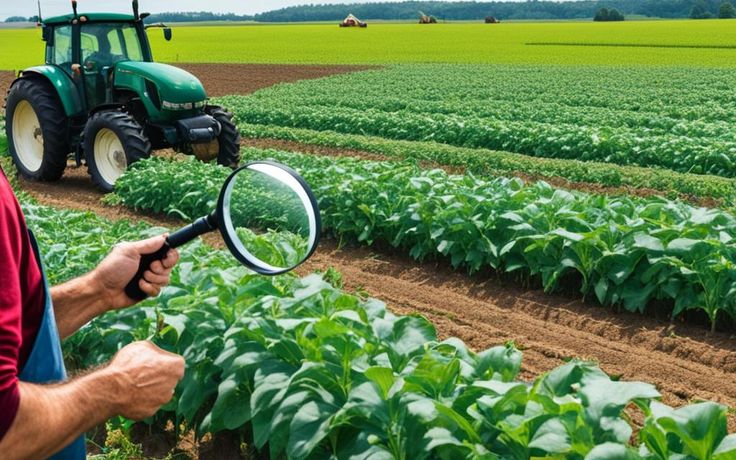
Farming fuel contributes significantly to a farm’s carbon footprint, prompting the industry to seek ways to reduce emissions without compromising productivity. Farmers are now encouraged to adopt energy-efficient practices and low-carbon fuels to meet regulatory requirements and consumer expectations. This shift is not just about compliance; it also reflects a growing awareness among farmers of their role in environmental stewardship and sustainable land management.
The Growing Role of Renewable Fuel Alternatives

Renewable fuel alternatives are gaining traction in the UK as farmers look for practical ways to reduce emissions while maintaining performance. These fuels are designed to be compatible with existing diesel engines, allowing farms to transition without major infrastructure changes. Among these options, many farms are increasingly working with hvo fuel suppliers to access hydrotreated vegetable oil, a renewable diesel alternative derived from sustainable feedstocks. This fuel offers lower lifecycle emissions and improved combustion characteristics, making it an attractive choice for farms aiming to balance sustainability with operational efficiency.
Performance and Operational Benefits of Modern Farming Fuels
Advanced farming fuels can offer tangible benefits beyond environmental impact. Cleaner-burning fuels can reduce engine deposits, improve fuel stability, and extend maintenance intervals, which helps lower long-term operating costs. For farms that rely heavily on machinery, these performance benefits translate into greater reliability and reduced downtime. By sourcing fuel from reputable hvo fuel suppliers, farmers can ensure consistent quality, which is essential for protecting valuable equipment and maintaining peak operational efficiency throughout the farming calendar.
Fuel Storage and Distribution Challenges in Rural Britain

Rural farms often face unique challenges in fuel storage and distribution due to their distance from major supply hubs. On-site fuel tanks are common, allowing farmers to store sufficient fuel for peak periods such as planting and harvesting. However, storage requires adherence to safety regulations and careful management to prevent contamination or degradation. Working with reliable fuel suppliers ensures timely deliveries, compliance with safety standards, and technical support when needed. Efficient distribution systems are critical to ensuring that farms remain operational even during adverse weather or supply chain disruptions.
Economic Considerations for UK Farmers
Fuel is one of the most significant operating costs for UK farming fuel, making economic efficiency a top priority. Price volatility in traditional fuels can impact farm budgets and profitability, especially for large-scale operations with high fuel consumption. Renewable fuels and alternative supply agreements can offer more predictable pricing structures and potential long-term savings. By evaluating fuel options and partnering with dependable hvo fuel suppliers, farmers can develop energy strategies that balance cost control with sustainability, helping to stabilize financial planning in an unpredictable market.
The Future Outlook for UK Farming Fuel

The future of UK farming fuel is likely to be shaped by technological innovation, regulatory changes, and evolving consumer expectations. As cleaner fuels become more widely available and affordable, farms are expected to gradually transition toward low-carbon energy solutions. Digital monitoring, fuel efficiency technologies, and integrated energy management systems will further enhance how farms use and manage fuel resources. While traditional diesel will continue to play a role, renewable alternatives are set to become an integral part of British agriculture, supporting a more sustainable and resilient farming sector for generations to come.