GE turbine-generator systems are critical to power generation across industries, providing reliable and efficient energy production. Among the key components that ensure smooth operation are terminal boards, which serve as the essential interface between the turbine-generator and its control, protection, and auxiliary systems. Understanding their function is crucial for engineers looking to optimize performance and maintain operational reliability.
What Is a Terminal Board?
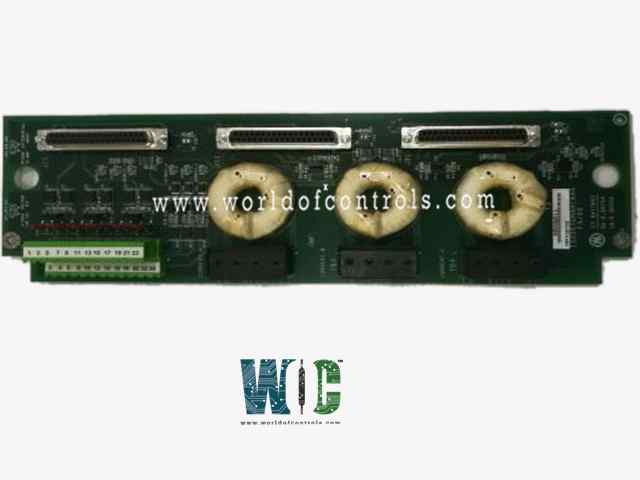
A terminal board, sometimes called a terminal block, is a modular, insulated device that allows multiple electrical connections to be centralized in one location. In turbine-generator systems, terminal boards facilitate the distribution of power, signal routing, and integration with monitoring or protection equipment. Essentially, they act as a hub where incoming and outgoing wires can be connected safely and efficiently.
Terminal boards simplify maintenance and troubleshooting by providing a clear, organized interface for wiring. For large, complex machines like GE turbines, this organization is vital, as even minor wiring errors can lead to operational failures or safety risks.
Key Features of Terminal Boards in Turbine Systems
Terminal boards used in GE turbine-generator systems are designed to handle the high-capacity and high-voltage demands typical of industrial power generation. Common characteristics include:
- High Current Capacity: Supports heavy electrical loads in turbine-generator setups.
- Durable Construction: Engineered to withstand industrial environments, including heat, vibration, and humidity.
- Organized Wiring Layout: Allows structured connection of multiple circuits, reducing the risk of wiring errors.
- Safety Compliance: Built to industry standards to protect both operators and equipment.
By integrating robust terminal boards, engineers can efficiently connect generator outputs to control systems, auxiliary equipment, and protective relays, ensuring smooth operation and easier maintenance.
The Role of Terminal Boards in Turbine-Generator Systems
Terminal boards serve several critical functions in turbine-generator systems:
1. Power Distribution
Terminal boards distribute electrical power from the generator to various subsystems, including control circuits, cooling systems, and auxiliary devices. This ensures that every component receives stable power without the need for complex, scattered wiring.
2. Signal Integration
Modern turbines rely heavily on monitoring and feedback systems. Terminal boards act as junctions for connecting sensors, instrumentation, and protective devices, facilitating real-time data collection and automated control.
3. Simplified Maintenance
A well-organized terminal board allows technicians to easily identify, test, and replace circuits without dismantling large portions of the system. This reduces downtime and minimizes the risk of errors during maintenance.
4. Safety and Reliability
Properly designed terminal boards provide secure connections and insulation that prevent short circuits, overheating, and other electrical hazards. This contributes to the overall reliability and safety of the turbine system.
Conclusion
Terminal boards are a vital component in GE turbine-generator systems. They provide organized power distribution, enable signal integration, and enhance both maintenance efficiency and operational safety. For engineers and technicians in the turbine industry, understanding the design and function of terminal boards is essential for ensuring reliable and high-performance energy generation.
By combining durable construction with thoughtful electrical design, terminal boards ensure that turbine-generators operate efficiently, safely, and with minimal downtime, making them a cornerstone of modern power generation systems.