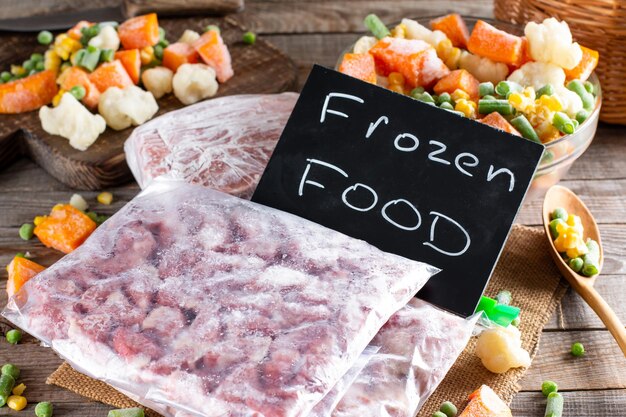
In recent years, the way people approach cooking and meal preparation has changed significantly. With increasingly busy lifestyles, longer working hours, and the demand for convenience, consumers are actively seeking food options that save time without compromising quality. One of the most noticeable trends shaping modern eating habits is the growing popularity of ready-to-cook frozen food. What was once considered an occasional backup has now become a regular feature in many households.
Changing Lifestyles and Food Preferences
Modern life leaves little room for lengthy cooking routines. Urban households, working professionals, and even families with structured schedules often struggle to prepare meals from scratch every day. As a result, food preferences have shifted toward solutions that reduce preparation time while still offering reliability and taste.
Ready-to-cook frozen food meets this need perfectly. These products require minimal effort often just frying, baking, or heating making them ideal for people who want quick meals without relying entirely on restaurants or takeout.
What Makes Ready-to-Cook Frozen Food Different?
Unlike fully prepared meals, ready-to-cook frozen food provides partially prepared components that allow consumers to finish cooking at home. This approach maintains a sense of home cooking while removing the most time-consuming steps such as cleaning, cutting, and marinating ingredients.
This balance between convenience and involvement has contributed greatly to the popularity of ready-to-cook frozen food. Consumers feel more in control of their meals while still benefiting from time savings.
Advancements in Freezing Technology
The rise of ready-to-cook frozen food is closely linked to improvements in freezing technology. Modern quick-freezing methods preserve texture, flavor, and nutritional value more effectively than older techniques. Smaller ice crystals formed during rapid freezing prevent damage to food structure, ensuring better results during cooking.
These advancements have helped overcome earlier concerns about taste and quality, making frozen food a dependable option for daily use.
Preserving Taste and Nutrition
A common concern about frozen food is whether it maintains taste and nutritional value. In reality, many ready-to-cook frozen products are processed and frozen shortly after preparation. This helps lock in natural flavors and nutrients at their peak.
Fresh food that is stored for several days or transported over long distances may lose some of its nutritional value over time. Frozen food, when stored correctly, offers consistent quality from the moment it is frozen until it is cooked.
Supporting Busy Households
Ready-to-cook frozen food has become especially popular among busy households. Parents managing work and family responsibilities, students living independently, and professionals with unpredictable schedules all benefit from the flexibility these products provide.
With frozen food available in the freezer, meal planning becomes less stressful. Households can prepare meals quickly without the pressure of daily grocery shopping or last-minute decisions.
Reducing Food Waste
Food waste is a growing concern in many urban areas. Fresh ingredients often spoil before they can be used, leading to unnecessary waste. Ready-to-cook frozen food offers longer shelf life, allowing consumers to use products as needed.
This controlled usage not only saves money but also supports more responsible consumption. By reducing waste, frozen food contributes positively to both household budgets and sustainability efforts.
Consistency and Reliability
Consistency is another major factor behind the rise of ready-to-cook frozen food. Consumers appreciate knowing what to expect in terms of taste, portion size, and cooking results. Unlike fresh ingredients that may vary in quality depending on season or availability, frozen food offers uniformity throughout the year.
Brands like Orange Food Expert focus on maintaining quality standards that ensure consistent results. This reliability builds trust and encourages consumers to make frozen food a regular part of their meal routines.
The Role of Trusted Brands
As demand grows, consumers are becoming more selective about where their frozen food comes from. Trusted brands play an important role in shaping perceptions of quality and safety. By maintaining proper cold-chain systems and quality control, brands ensure that products reach consumers in optimal condition.
Orange Food Expert is an example of a brand that aligns with modern expectations by offering ready-to-cook frozen options that prioritize quality, safety, and convenience.
Integration Into Everyday Meals
Ready-to-cook frozen food is no longer limited to emergency use. It is now integrated into everyday meals, helping households maintain consistent eating habits. From quick weekday dinners to planned meals, frozen food supports a balanced approach to modern cooking.
As consumer awareness increases, the use of frozen food continues to expand beyond convenience into everyday lifestyle choices.
Conclusion
The growing demand for convenience, consistency, and efficiency has driven the rise of ready-to-cook frozen food in modern kitchens. With advancements in freezing technology, preserved taste and nutrition, and reduced preparation time, frozen food has become a practical solution for busy households. Supported by quality-driven brands like Orange Food Expert, it is clear that Frozen Food Items are no longer just a convenience option but an essential part of contemporary meal planning, perfectly suited to the demands of today’s fast-paced lifestyles.