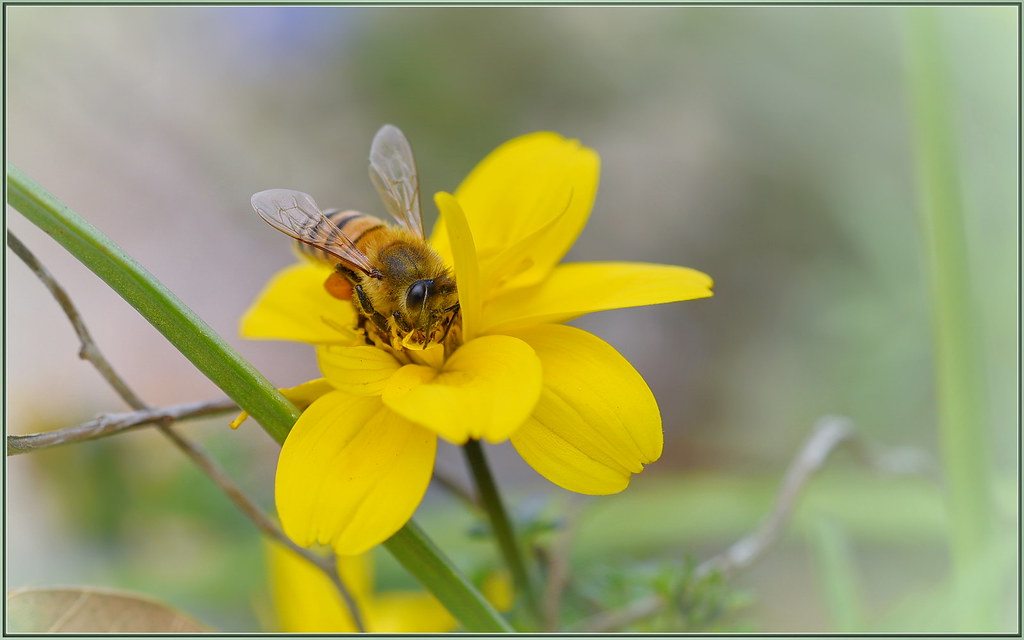
Landscaped environments significantly influence insect behavior, particularly among pollinators adapting to urban and suburban settings. Mulch, commonly used for moisture retention and aesthetic enhancement, alters soil conditions in ways that often encourage underground activity. Many people overlook how texture, depth, and material composition affect habitat suitability. Bees seeking protection from predators and temperature extremes often identify mulched areas as favorable nesting sites. These spaces provide insulation, concealment, and stable microclimates that support reproduction. As natural habitats decrease due to development, landscaped yards increasingly become alternative nesting zones.
This shift explains rising encounters between people and ground-nesting bees. Recognizing mulch as an ecological factor rather than decorative ground cover helps homeowners interpret these patterns accurately. Awareness enables proactive decisions that balance pollinator protection with human comfort. Understanding this relationship establishes the foundation for responsible landscape management practices.
How Mulch Composition Shapes Bee Nesting Behavior
Mulch composition plays a decisive role in determining whether bees perceive an area as suitable for nesting. Organic materials such as wood chips, bark, straw, and compost create soft, aerated substrates that are easy to excavate. These materials also retain warmth and moisture, essential conditions for brood development. Consequently, bee nesting frequently increases in landscapes using organic mulch extensively. In contrast, inorganic materials like gravel, stone, or rubber restrict burrowing and reduce thermal insulation. Fine-textured mulches encourage tunneling more than coarse or compacted varieties. Depth further amplifies these effects, as thicker layers stabilize temperature and conceal nest entrances. Seasonal maintenance patterns influence reuse, with undisturbed mulch supporting recurring nesting cycles. When flowering plants grow nearby, forage accessibility strengthens site attractiveness.
Additionally, soil chemistry beneath mulch can influence microbial activity, subtly affecting habitat suitability for nesting insects. Mulch that decomposes rapidly may further soften soil structure, increasing excavation ease during peak nesting seasons. Shaded areas combined with organic mulch also enhance moisture retention, extending favorable conditions throughout warmer months. Understanding how these variables interact helps property owners select materials intentionally. Thoughtful mulch selection can discourage excessive nesting without eliminating ecological benefits entirely.
Moisture and Temperature Effects on Bee Nesting
Moisture retention beneath mulch strongly influences whether nesting activity persists over time. Consistently moist soil remains soft, allowing bees to excavate tunnels efficiently. Irrigation systems often unintentionally intensify this effect by maintaining ideal humidity levels. Temperature stability also matters, as bees prefer environments that remain warm without overheating. Organic mulch buffers soil against temperature fluctuations, creating favorable conditions throughout seasonal transitions. Dark-colored materials absorb heat, accelerating soil warming during spring, which encourages earlier nesting. Poor drainage further stabilizes underground humidity, increasing habitat suitability.
However, excessive moisture may attract additional insects, indirectly reinforcing nesting persistence. Property owners sometimes misinterpret increased activity as aggression rather than environmental preference. Adjusting irrigation frequency and improving drainage can significantly reduce nesting likelihood. Managing these factors helps maintain healthy landscapes while minimizing unintended pollinator congregation.
Managing Bee Nesting Responsibly in Developed Areas
Urban and commercial landscapes require responsible approaches when addressing nesting concerns. Bees provide essential ecological services, yet proximity to human activity raises safety considerations. Effective management prioritizes deterrence and relocation rather than elimination. Modifying mulch depth, increasing soil compaction, and rotating ground cover disrupt nesting suitability naturally. In situations where activity becomes disruptive, professional assistance ensures humane and lawful intervention. Consulting a commercial bee removal service in los Aangeles California allows trained specialists to assess conditions and relocate bees responsibly.
These professionals understand seasonal behavior, habitat cues, and environmental regulations. Their involvement minimizes ecological disruption while restoring functional outdoor spaces. Education also plays an important role, helping residents differentiate between beneficial pollinators and genuine hazards. Responsible management promotes coexistence rather than conflict. Such approaches reflect growing environmental awareness within urban planning and property maintenance.
Designing Landscapes That Discourage Bee Nesting Naturally
Long-term landscape design offers the most effective solution for managing nesting tendencies sustainably. Selecting inorganic or compacted mulch materials reduces excavation opportunities while maintaining weed suppression. Regular light disturbance, such as raking, prevents soil stabilization preferred by nesting bees. Incorporating dense ground covers limits exposed soil without sacrificing visual appeal. Strategic placement of flowering plants away from high-traffic areas redirects pollinator activity naturally. Drainage improvements reduce moisture accumulation beneath mulch layers, further decreasing suitability. These adjustments work collectively rather than relying on single interventions.
Additionally, integrating hardscape elements such as walkways or edging creates natural barriers that limit underground access points. Seasonal evaluations help identify emerging nesting patterns before they intensify. Importantly, such designs support pollinators while maintaining safe, functional outdoor spaces. Intentional planning proves more effective than reactive responses. By understanding environmental triggers, property owners can shape landscapes that encourage ecological balance without inviting excessive nesting.