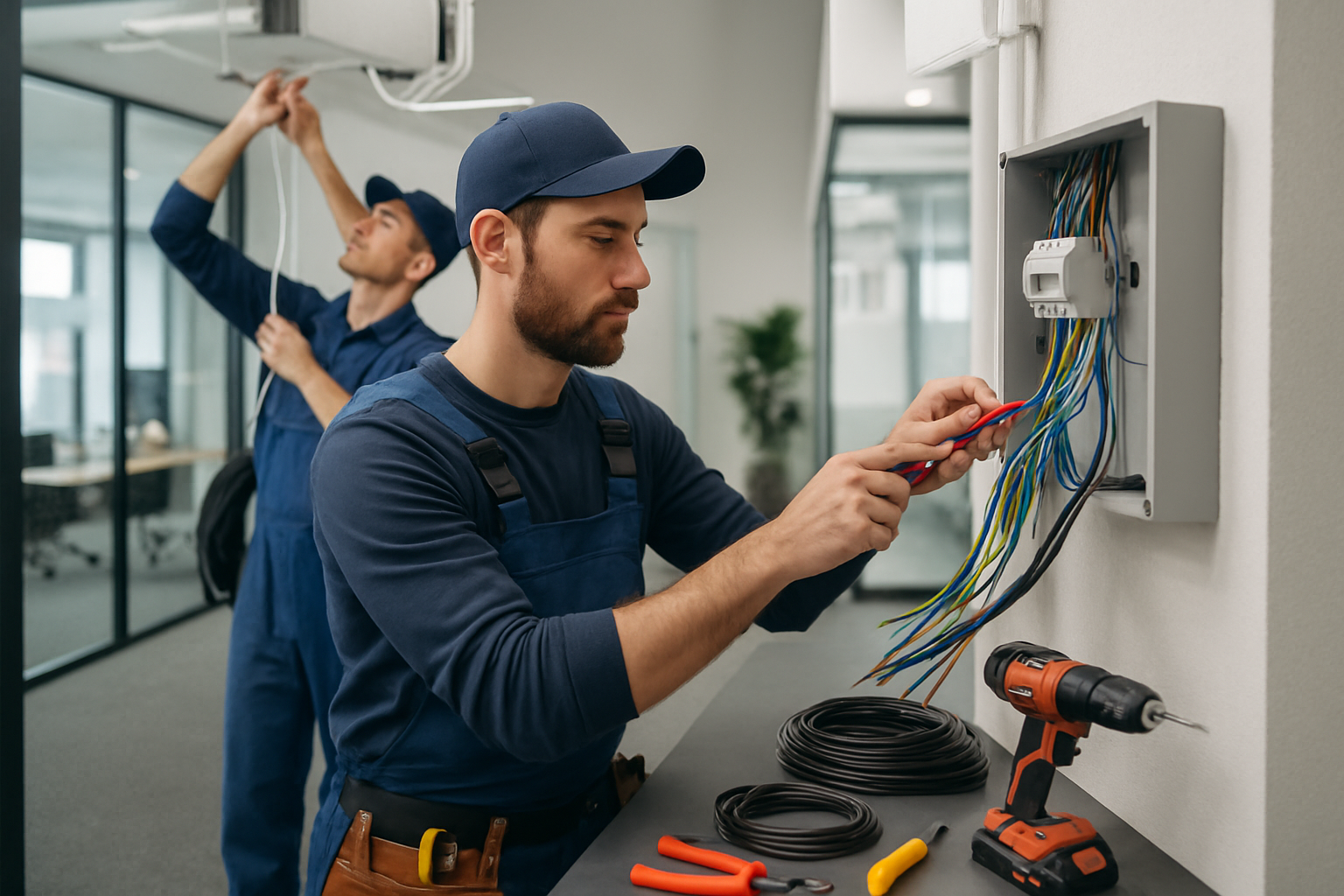
Low voltage systems play a crucial role in both residential and commercial properties. From internet and phone systems to security and lighting controls, low voltage wiring ensures that these systems function smoothly without the hazards associated with high voltage installations. However, installing low voltage systems is not as simple as plugging in a device; it requires expertise, careful planning, and professional execution. This is where low voltage wiring contractors come into play.
Whether you’re setting up a smart home, outfitting an office with networked devices, or installing an advanced security system, wiring contractors are essential to ensuring that these installations are done correctly, efficiently, and safely. In this article, we’ll explore the key role low voltage wiring contractors play in low voltage installations and why their expertise is invaluable for modern construction projects.
What Are Low Voltage Systems?
Before delving into the role of wiring contractors, it’s important to understand what low voltage systems are. Low voltage systems operate at 50 volts or less, which is much lower than traditional electrical systems, which typically operate at 120 to 240 volts. Low voltage wiring is commonly used in systems that require less power but still need a reliable, continuous connection. Some examples include:
- Networking systems: Ethernet and fiber optic wiring for internet and communication networks.
- Security systems: CCTV cameras, access control systems, and alarm wiring.
- Audio and video systems: Home theater wiring, smart home automation systems, and intercoms.
- Lighting control: Dimming systems, LED drivers, and automated lighting solutions.
Because low voltage systems power critical functions without the risk of high-voltage electrocution, they are integral to modern construction and home automation, requiring precise installation by trained professionals.
Why Low Voltage Contractors Are Essential
1. Expertise in Wiring Systems
Installing low voltage systems requires specialized knowledge and skills. Unlike traditional electrical wiring, low voltage wiring demands a deep understanding of the various systems it supports, as well as how to integrate them seamlessly with other components of the property.
- System integration: Low voltage contractors are skilled in integrating systems such as internet networks, security alarms, lighting, and sound systems. They ensure that these systems function together without interference and maintain maximum performance.
- Specialized wiring techniques: The installation process for low voltage wiring requires precision to prevent data loss or system malfunction. Low voltage contractors use industry-standard techniques and tools to ensure that wiring is correctly installed to meet system specifications.
The expertise of wiring contractors ensures that each system operates efficiently and reliably for years to come.
2. Ensuring Safety and Code Compliance
While low voltage systems pose fewer risks than high-voltage systems, they still need to be installed according to local building codes and industry standards to ensure safety and prevent issues like signal interference, short circuits, or equipment failure.
- Building codes: Low voltage contractors are knowledgeable about local electrical codes and industry regulations for low voltage systems. They ensure that all wiring complies with these codes, helping you avoid potential penalties or the need for costly rewiring in the future.
- Safety protocols: Even low voltage systems can be dangerous if improperly installed. Low voltage wiring contractors take care to install wires correctly, avoiding hazards such as exposed cables or improper grounding.
By working with professionals who are well-versed in safety and compliance, you can be confident that your low voltage installations are done safely and up to code.
3. Optimizing System Performance
The performance of low voltage systems depends heavily on the quality of the installation. Even small mistakes during installation can result in signal degradation, slow performance, or complete system failure. Wiring contractors play a critical role in ensuring that your systems function optimally.
- Quality connections: The quality of the connections made during the installation process directly affects the performance of the system. Low voltage contractors ensure that all connections are secure and properly configured to maximize signal strength and system reliability.
- Future-proofing: As technology evolves, low voltage systems often need to be upgraded or integrated with newer systems. Contractors ensure that the wiring is flexible enough to accommodate future upgrades, saving you from the need for complete rewiring down the line.
By optimizing system performance, wiring contractors help ensure that your investment in these systems pays off with years of trouble-free use.
4. Streamlining Installation Time and Costs
While DIY options for low voltage wiring might seem tempting, these projects often take significantly longer and may end up costing more due to mistakes, rework, and lack of proper knowledge. Low voltage wiring contractors are trained to handle installations efficiently and can complete the job much faster than the average person.
- Efficiency: A professional contractor has the tools, knowledge, and experience to complete installations quickly, which can be crucial for construction timelines. Their familiarity with the systems ensures the job is done right the first time.
- Cost-effectiveness: While hiring a contractor may seem like an added expense, it can save you money in the long term by preventing costly mistakes, delays, and system failures that often result from improper installations.
By streamlining the installation process, low voltage contractors ensure that you get the most value for your money and avoid costly mistakes that can delay your project.
The Advantages of Hiring a Wiring Contractor for Your Installation
Hiring a low voltage wiring contractor offers a variety of benefits, from ensuring system reliability to saving time and money. Here’s a summary of the top reasons to trust a professional for your low voltage installation:
- Expert Installation: Professionals ensure that the wiring is done according to industry standards, maximizing the efficiency and longevity of the systems.
- Time-Saving: Contractors can complete installations more efficiently, which is especially important for large-scale projects with tight deadlines.
- Compliance and Safety: A qualified contractor ensures that all installations meet local regulations and safety codes, reducing the risk of issues down the line.
- System Optimization: Contractors make sure that each system works seamlessly, improving performance and avoiding technical problems.
Whether you’re installing a new security system, setting up a home theater, or wiring a commercial building for automation, working with low voltage contractors ensures that your low voltage systems are installed properly and perform optimally.
Conclusion
Low voltage wiring contractors are essential for ensuring that your low voltage systems are installed correctly, safely, and efficiently. Whether it’s for a new construction project, a renovation, or an upgrade to your home or office, the expertise of a qualified contractor ensures that your systems will work reliably for years to come.
From understanding the intricacies of modern technology to optimizing system performance, these professionals provide valuable knowledge and skill to the installation process. If you want your low voltage systems to function as intended, hiring a qualified contractor is a smart investment that guarantees high-quality results, safety, and peace of mind.