
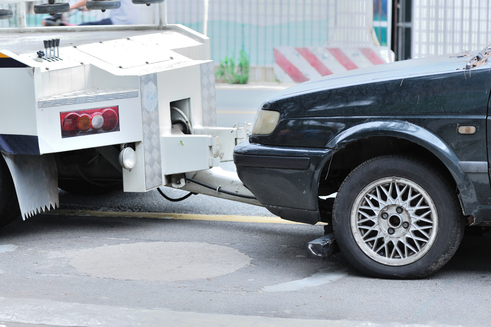
Cars shape daily life across Australia. They help people travel to work, school, and shops. Yet every car reaches a point where it no longer runs or costs too much to keep. At that stage, the way a car is handled can shape the climate in quiet but serious ways.
Many people think car recycling only clears space or puts some cash back in hand. The climate story goes much deeper. From raw material mining to waste control, vehicle recycling plays a major role in cutting harm to air, land, and water. This article explains that role in clear terms and shows why it matters for everyone.
Understanding What Car Recycling Really Means
Car recycling is not just crushing metal. It is a full process that starts when a vehicle leaves the road. Fluids get drained. Parts get removed. Metals, plastics, and glass get sorted. Each step reduces waste and lowers the need for new raw materials.
In Australia, cars contain steel, aluminium, copper, rubber, and many other materials. When these materials get reused, less mining is needed. Mining causes land damage, heavy water use, and high fuel burn. Recycling slows that chain of damage.
A single recycled car can return more than seventy percent of its materials back into use. That figure alone shows how much pressure this process removes from the planet.
The Carbon Cost of Making New Car Materials
To see the climate impact of recycling, it helps to look at how new materials get made.
Steel and aluminium are key parts of cars. Making steel from iron ore uses large furnaces that burn coal. This releases high levels of carbon gases. Aluminium takes even more power. Bauxite mining and smelting need huge energy input, often from fossil fuels.
When recycled metal replaces new metal, energy use drops sharply. Recycled steel uses far less energy than steel made from ore. Recycled aluminium cuts energy use by about ninety five percent. That reduction means fewer emissions entering the air.
These cuts happen quietly, far from public view, yet they add up across thousands of vehicles each year.
How Recycling Reduces Landfill Pressure
Old cars that end up in landfills cause long term harm. Oils, brake fluids, and coolants can leak into soil and water. Plastics take decades to break down. Tyres trap heat and release gases over time.
Recycling removes these risks. Fluids get handled in controlled ways. Tyres get reused in road bases or other products. Plastics find new uses rather than sitting in dumps.
Landfill space is limited, especially near growing cities. Recycling helps protect land for future use while lowering climate strain linked to waste decay.
Transport Emissions and Local Recycling
Another hidden factor is transport distance. When vehicles get hauled long distances for disposal, trucks burn fuel and release carbon gases. Local recycling reduces that travel load.
When car removal happens close to where the vehicle sits, emissions drop. Shorter trips mean less fuel use. This point often gets missed, yet it plays a role in urban climate planning.
Services linked with Car Removal Brisbane fit into this picture by keeping vehicle movement within the region rather than sending cars far away for processing.
The Role of Parts Reuse in Climate Care
Not every part of an old car is worn out. Engines, gearboxes, doors, mirrors, and seats often remain usable. Reusing these parts avoids the need to make new ones.
Making new parts means more mining, more factory work, and more transport. Each step adds carbon gases to the air. Reused parts skip most of that process.
In Australia, parts reuse also supports local repair shops. This keeps cars on the road longer and slows the cycle of production and disposal.
Electric Vehicles and the Recycling Challenge
Electric vehicles bring new climate questions. They cut exhaust emissions, yet their batteries hold lithium, cobalt, and nickel. Mining these materials carries high environmental costs.
Recycling electric car batteries recovers valuable metals and lowers future mining demand. Australia is still building strong systems in this area. Early action matters because electric vehicle numbers keep rising.
Proper battery handling also avoids fire risks and chemical leaks. Climate care depends on safe recovery as much as energy savings.
Water Use and Pollution Control
Car production uses large amounts of water. Mining, metal washing, and factory cooling all draw on water supplies. In dry regions, this puts pressure on rivers and groundwater.
Recycling uses far less water than raw material extraction. It also keeps harmful substances out of waterways. Oil, fuel, and coolants removed during recycling no longer threaten streams or soil.
Clean water links directly to climate health. Droughts and heat waves grow worse when water systems suffer.
Why Individual Choices Matter
One car may seem small in the global climate story. Yet millions of cars reach the end of their life each year. Each choice shapes demand for mining, energy use, and waste space.
Choosing recycling over dumping or neglect reduces harm. It also sends a signal that resource care matters. When many people act this way, systems change.
Local councils and national bodies respond to public habits. Higher recycling rates support better laws and stronger recycling networks.
Linking Recycling With Local Car Removal Services
Old cars often sit unused because owners do not know what to do next. Some vehicles no longer run. Others cost too much to repair. Leaving them idle creates leaks, rust, and wasted materials.
This is where a service such as Cash for Cars Brisbane fits into the climate story. By collecting unwanted vehicles and sending them through proper recycling channels, this type of service keeps materials in use and cuts waste risks. The link between vehicle removal and recycling supports lower emissions by reducing idle decay and unnecessary transport. When handled within the local area, this approach also limits fuel use tied to long haul towing. That connection shows how practical choices at home support wider climate goals.
The Future of Car Recycling in Australia
Australia continues to refine its recycling systems. New rules aim to track vehicles from sale to disposal. Data sharing helps stop illegal dumping and poor handling.
Technology also improves material sorting. Better separation means higher recovery rates and cleaner recycled materials. This raises the climate gains from each vehicle.
Public awareness plays a role as well. When people understand the climate link, participation rises. Schools, councils, and community groups help spread that message.
Why This Issue Deserves More Attention
Climate change often feels distant or abstract. Car recycling shows how daily life connects to global issues. A parked vehicle, once recycled, becomes part of a larger solution.
The impact stays hidden because it happens behind gates and factories. Yet the results show in cleaner air, reduced mining scars, and lower emissions.
Every recycled car stands as proof that waste can turn into resource. That shift matters more than many people think.
Final Thoughts
Car recycling is not just about clearing space or ending a vehicle life. It plays a real role in climate care across Australia. From cutting mining demand to protecting water and land, the effects reach far beyond scrap yards.
As more cars reach the end of the road, the choices made today shape the climate of tomorrow. Recycling turns a problem into progress, one vehicle at a time.